2026 Top High Pressure Diaphragm Pump Buying Guide?

The ever-evolving market for high pressure diaphragm pumps is crucial for various industries. These pumps play a significant role in applications such as chemical processing, pharmaceuticals, and food production. According to a recent industry report from Research and Markets, the global diaphragm pump market is expected to reach $7.23 billion by 2026, driven by rising demands for efficient fluid handling.

When selecting a high pressure diaphragm pump, factors like efficiency, durability, and compatibility with various fluids become essential. A poorly chosen pump can lead to operational failures. However, many users often overlook specific requirements, such as the type of materials used in pump construction. This oversight may lead to costly repairs and downtime.

Furthermore, advancements in technology are continuously reshaping this market. Innovative designs now allow for greater pressure handling and reduced maintenance. As buyers navigate this complex landscape, understanding the nuances of high pressure diaphragm pumps is critical. More than just a purchasing decision, it reflects a commitment to operational excellence and performance reliability.
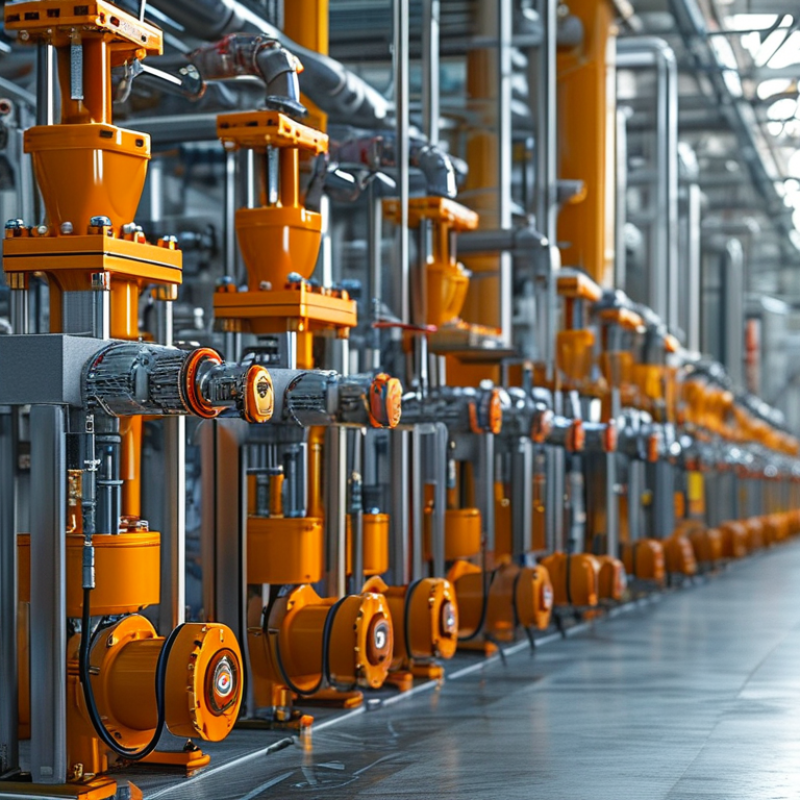
2026 Top High Pressure Diaphragm Pump Buying Guide?

Understanding High Pressure Diaphragm Pumps: Key Components and Functionality

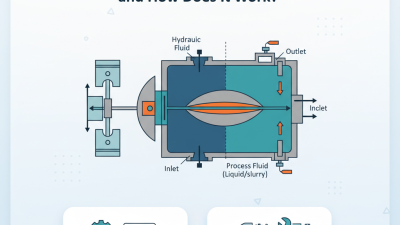
High pressure diaphragm pumps are essential for various applications. Their key components include the diaphragm, valves, and the pump casing. The diaphragm is the heart of the pump. It creates a barrier that separates the pumped fluid from the drive mechanism. This design provides reliable performance and reduces contamination risks. Valves control fluid flow, ensuring efficient operation. Meanwhile, the pump casing houses all components and withstands high pressures.

When selecting a high pressure diaphragm pump, consider the materials used. Some materials resist corrosion better than others. This is crucial for pumps handling aggressive fluids. Additionally, check the diaphragm material to match your fluid characteristics. Different applications may require specific hardness or elasticity levels. Addressing these details can prevent future failures.

Effective maintenance is vital for longevity. Regularly inspect your pump for wear or leaks. Keep an eye on diaphragm integrity; small cracks can lead to bigger issues. If you're unsure about maintenance practices, consult with experts. They can provide valuable insights based on experience. Their advice can significantly enhance your pump’s performance and lifespan. Understanding these components will help you make informed choices.

2026 Top High Pressure Diaphragm Pump Buying Guide

Feature Description Importance
Pressure Range Typically ranges from 50 to 10,000 PSI. Determines the applications for which the pump can be used.
Material Construction Common materials include stainless steel, plastic, or bronze. Affects durability and compatibility with various liquids.
Diaphragm Type Types include elastomeric, PTFE, or thermoplastic diaphragms. Influences flexibility, strength, and chemical resistance.
Flow Rate Measured in gallons or liters per minute; ranges can vary. Impacts the efficiency and speed of operations.
Power Source Options include electric, pneumatic, or hydraulic power sources. Determines where and how the pump can be used effectively.
Maintenance Requirements Regular checks are needed for wear and leakage. Ensures long-term reliability and performance.
Port Size Variety of sizes available to match system fittings. Critical for ensuring proper integration into existing systems.

Factors to Consider When Buying a High Pressure Diaphragm Pump

When buying a high pressure diaphragm pump, several factors are crucial. First, consider the flow rate. It determines how quickly your pump can transfer fluids. According to industry reports, flow rates can range from a few liters per minute to over 100 liters per minute. Your application will dictate the necessary capacity.

Next, look into the pressure rating. Most diaphragm pumps operate efficiently up to 10,000 psi. However, your application might require even higher pressures. Ensure the pump’s specifications align with your requirements. Remember, a pump with an inadequate rating might fail prematurely.

Material compatibility also plays a significant role. Diaphragm pumps are available in various materials, like PTFE and rubber. Each material reacts differently with chemicals. Research is essential to prevent costly incompatibility issues. The design of the pump, including its seal and diaphragm, can also affect longevity. Analyzing reports on maintenance can provide insights into expected pump life and necessary upkeep. Making informed decisions will ultimately enhance performance and reliability in your operations.

2026 High Pressure Diaphragm Pump Features Comparison

This chart compares key features of high pressure diaphragm pumps including pressure range, flow rate, weight, material durability, and price. These factors are crucial for making an informed purchasing decision.

Top Brands and Models of High Pressure Diaphragm Pumps for 2026

When searching for the best high-pressure diaphragm pumps for 2026, several brands stand out. These pumps are essential for various applications, from industrial to agricultural uses. Their ability to handle high-pressure scenarios makes them valuable tools. Key factors include durability, flow rate, and ease of maintenance.

In recent years, models with innovative designs have entered the market. These advancements improve performance while ensuring energy efficiency. A reliable pump should also have a simple interface for operators. Customer feedback plays a pivotal role in determining a model's trustworthiness. Many users report dissatisfaction with pumps that fail to meet advertised specifications.

Selecting the right pump involves weighing options carefully. It's important to consider the specific needs of your application. Some brands excel in serviceability, while others focus on build quality. Understanding these attributes can lead to better choices. Researching user experiences reveals both strengths and weaknesses in each model. This process may take time, but it ultimately benefits your investment.

Maintenance Tips for High Pressure Diaphragm Pumps: Ensuring Longevity

Maintaining high pressure diaphragm pumps is crucial for their longevity. Regular maintenance can significantly reduce downtime and extend the lifespan of the equipment. According to industry reports, proper maintenance can increase pump life by up to 30%. This is critical for businesses that rely on these pumps for consistent performance.

Routine inspections are essential. Check for wear and tear on diaphragms, seals, and valves. A visual inspection can catch early signs of damage. Also, replacing worn parts before failure prevents unexpected breakdowns. In a study, it was found that 25% of pump failures are due to unaddressed wear. Keeping a maintenance log can help track the condition of the pump over time.

Lubrication is another key factor. Pumps often require specific lubrication to function effectively. Neglecting this can lead to increased friction and heat. Both of these elements can shorten pump life. Ensuring that lubricants are appropriate and applied correctly is vital. Regularly reviewing maintenance protocols based on user experience can lead to better outcomes. Users often report mixed results, highlighting the need for continuous improvement in maintenance practices.

Common Applications for High Pressure Diaphragm Pumps in Various Industries

High pressure diaphragm pumps are essential in various industries. Their versatility allows them to handle different fluids and processes. Common applications include chemical processing, wastewater management, and food production. In the chemical sector, these pumps effectively transfer corrosive fluids, ensuring safety and efficiency. According to a recent market analysis, the global diaphragm pump market is projected to grow by 5.4% annually, reflecting their increasing importance.

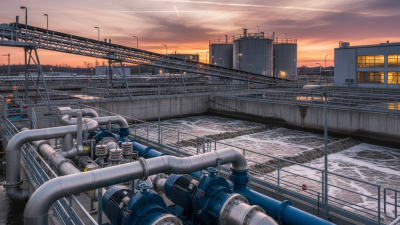
In wastewater treatment, high pressure diaphragm pumps are vital in moving sludge and other debris. Their ability to manage solids without clogging improves system reliability. A study by the Water Environment Federation indicated that employing these pumps can enhance overall plant efficiency by up to 30%. Similarly, in food and beverage industries, they are used to transfer products at various stages without contamination, maintaining high hygiene standards.

While the applications are significant, challenges exist. Not all pumps are designed for every fluid type. Users must consider factors like viscosity and temperature. This added complexity can lead to misapplications and inefficiencies. Continuous improvements in pump technology aim to address these concerns, yet users should remain vigilant and informed to ensure optimal performance in their specific applications.

Company Info

Universal Pumping

625 Apache Trail
Woodstock, GA 30189

Mon - Fri | 9:00 AM - 5:00 PM

Connect With Us

About Universal Pumping

Universal Pumping is staffed with industry professionals with 20-45 years experience with high pressure pumping systems. We represent only the “elite producers” in pump manufacturing: Britain’s EMS and Germany’s EMMERICH. Our engineering and manufacturing approach is conservative, and we do not use “guess work” in the design or sales of our pumping and filtration equipment.