2026 Top Diaphragm Pumps What You Need to Know

In the evolving landscape of industrial equipment, diaphragm pumps play a vital role. As industry expert Dr. Emily Carter aptly stated, “Diaphragm pumps offer versatility and reliability.” Understanding their significance is crucial as we approach 2026.

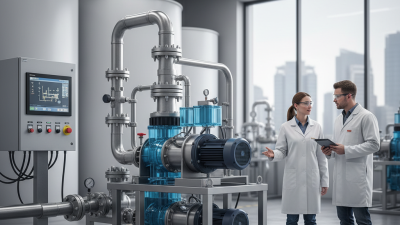
Diaphragm pumps are essential for various applications, including chemical transfer and wastewater management. Their design allows for minimal leakage and consistent flow rates. However, not all diaphragm pumps are created equal. Key factors such as material compatibility and size can greatly affect performance.

As we consider the future, attention must shift to innovations in diaphragm pump technology. Some manufacturers are striving for better efficiency and lower energy consumption. Still, challenges in durability and maintenance remain. The balance between cost and quality is also a point of contention for many buyers. Knowing the options available in 2026 is not just beneficial; it is necessary for efficient operations.
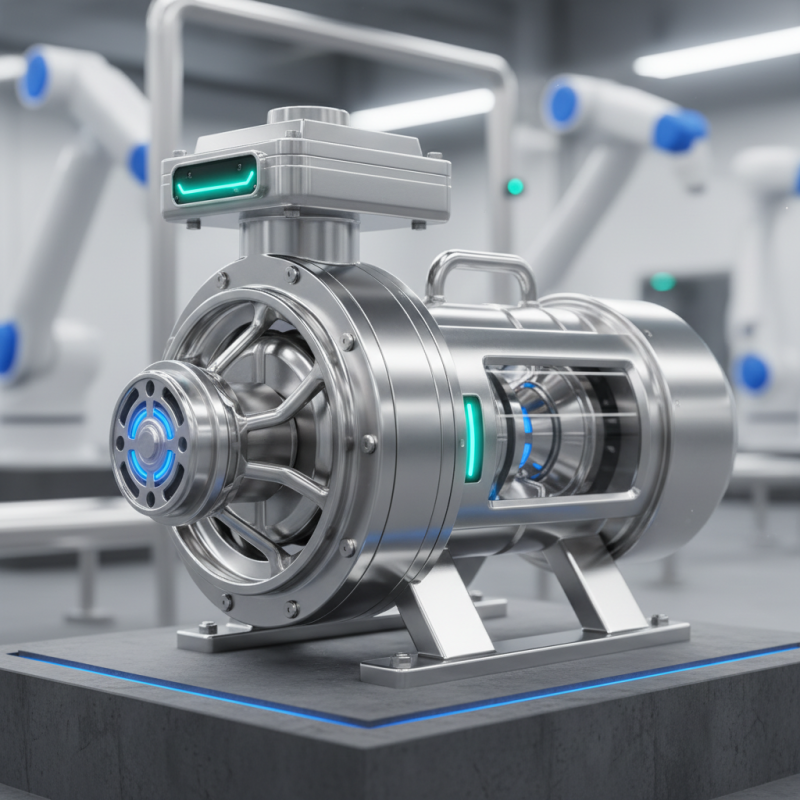
2026 Top Diaphragm Pumps What You Need to Know

Overview of Diaphragm Pumps and Their Functionality

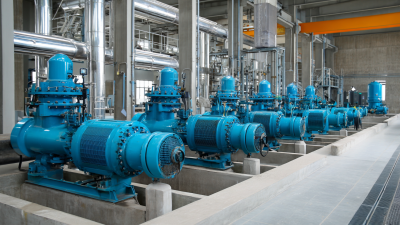
Diaphragm pumps are versatile devices. They convert mechanical energy into fluid movement. These pumps use a flexible diaphragm to create pressure differences. This allows the pump to move various fluids efficiently. Their construction suits many industries, from chemicals to pharmaceuticals.

Tips: Always consider the fluid type. Some materials may react with certain fluids. Regular maintenance is essential for durability. A well-maintained pump operates better.

Unlike standard pumps, diaphragm pumps handle slurries and viscous fluids. They excel in transferring liquids containing solids and other particulates. However, they may struggle with fine particulates. Users must be mindful of this limitation.

Tips: Monitor the pump's performance over time. You might notice fluctuations. Listen for unusual sounds. These could indicate wear or potential failures.

2026 Top Diaphragm Pumps Performance Overview

Key Features to Consider When Choosing Diaphragm Pumps

2026 Top Diaphragm Pumps What You Need to Know

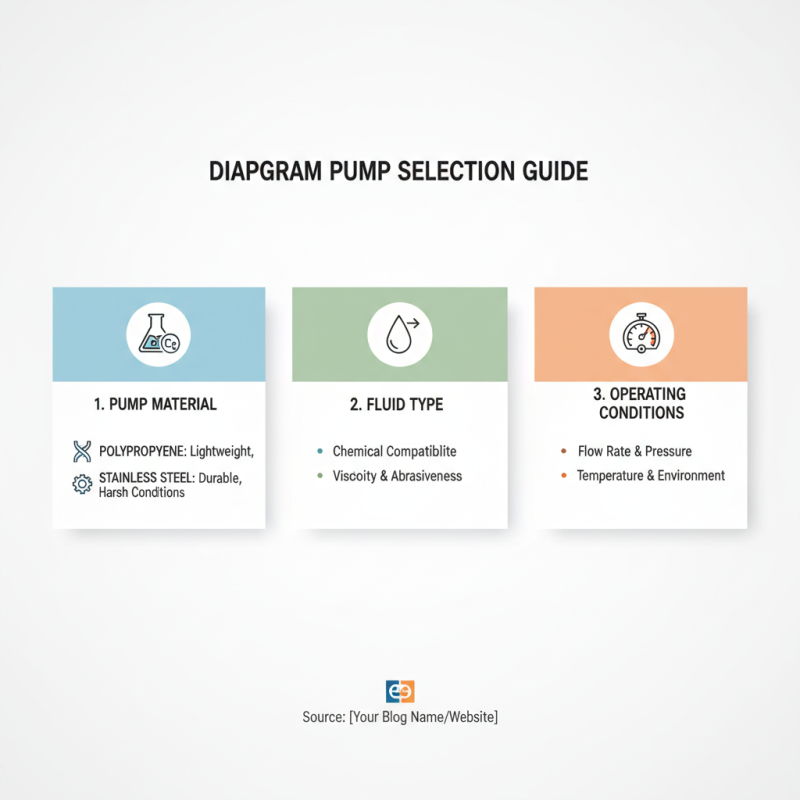
When selecting diaphragm pumps, several key features should guide your decision. The material of the pump is crucial. Common materials include polypropylene and stainless steel. Each material has its benefits. For instance, polypropylene is lightweight and resistant to corrosion, while stainless steel offers durability for harsher conditions.

The flow rate is another essential factor. Reports indicate that pumps can range from 1 to over 100 gallons per minute. A higher flow rate can increase efficiency but may also lead to increased wear and need for maintenance. Ensure the pump meets your application's requirements without exceeding necessary specifications.

Tip: Always assess the maintenance needs based on your operational schedule. Frequent maintenance might not align with your productivity goals.

Another consideration is the size and compatibility with existing systems. Dimensions can significantly impact installation and performance. Assessing these dimensions before purchase is crucial. Improper sizing could lead to functionality issues down the line, making it vital to get it right the first time.

Tip: Consult with professionals before purchasing. They can provide insights based on your unique needs. Thinking through these details can help avoid future complications.

Top Brands and Models of Diaphragm Pumps in 2026

In 2026, diaphragm pumps are more advanced than ever. When choosing a diaphragm pump, consider several top models. Each model showcases unique features tailored for specific applications. Some excel in transferring fluids, while others handle slurries effectively. Look for pumps with durable materials to ensure longevity.

Efficiency is vital. Some models boast higher flow rates, which can save time and energy. However, keep in mind that higher capacity can come with increased noise levels. Balance between performance and comfort is necessary. Special attention should be paid to maintenance requirements. Regular upkeep can significantly extend the life of your pump.

Compatibility with different fluids is crucial. Certain models work well with aggressive chemicals, while others might struggle. Do research before making a decision. It's essential to understand the specifications fully. User reviews can provide valuable insights. They often highlight potential issues that may not be apparent initially. Choosing the right model involves careful consideration and experience.

Applications and Industries Benefiting from Diaphragm Pumps

Diaphragm pumps are essential in various industries due to their versatility and reliability. They efficiently handle diverse fluids, such as slurries and viscous materials. You can find these pumps in water treatment plants, automotive applications, and chemical processing. Their ability to transfer non-corrosive and abrasive materials makes them valuable in many scenarios. Yet, users often overlook maintenance needs, leading to performance issues over time.

In the food and beverage sector, diaphragm pumps play a crucial role. They help in the transfer of liquids without contamination. This is vital for ensuring the quality of products. However, operators sometimes neglect regular inspections. This can lead to inefficiencies and downtime. The pharmaceutical industry also benefits significantly from diaphragm pumps. They move sensitive and sterile products, which is not trivial. Any lapses in cleanliness can result in serious consequences.

Additionally, diaphragm pumps are popular in construction. They help in dewatering sites quickly and effectively. The challenges here often lie in managing the varying fluid characteristics. Users might experience clogs or cavitation issues when not careful. In summary, while diaphragm pumps serve critical roles across sectors, attention to detail in operation and maintenance is crucial.

Maintenance Tips for Longevity of Diaphragm Pumps

2026 Top Diaphragm Pumps What You Need to Know

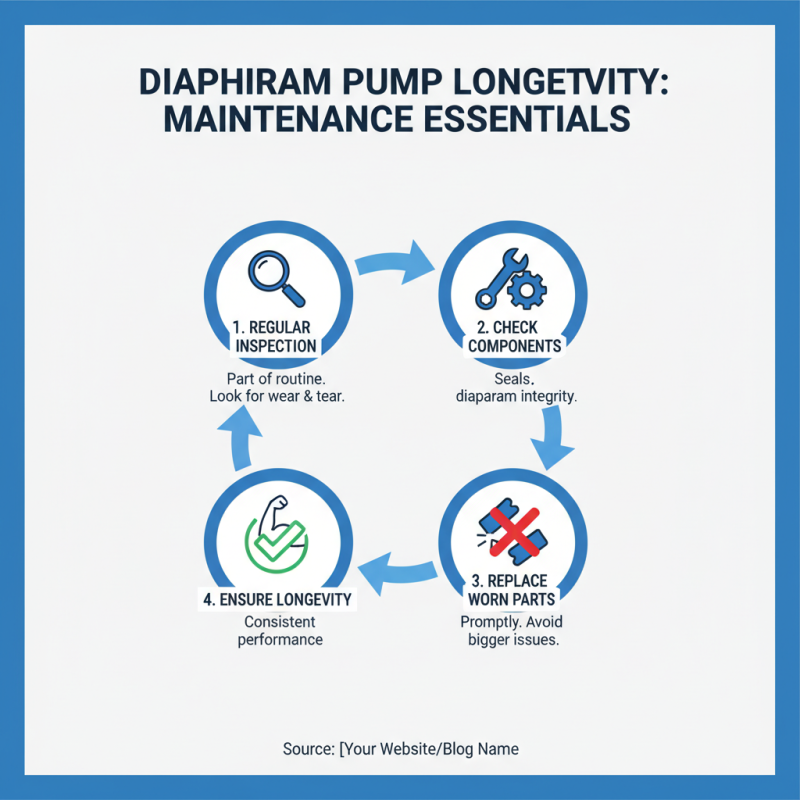
Maintaining diaphragm pumps is crucial for ensuring their longevity. Regular inspection should be part of a maintenance routine. Look for signs of wear and tear. Check seals and diaphragm integrity regularly. Replace worn parts promptly to avoid bigger issues later.

Cleaning is another important step. Debris can accumulate and impact performance. Rinse the pump after each use. Use soft cloths and non-abrasive cleaners. Harsh chemicals may damage the materials, leading to failures.

It's also essential to monitor fluid levels. Low levels can cause strain on the pump. Over time, this can lead to overheating or inefficient operation. Listen for unusual sounds during operation. If you notice anything out of the ordinary, it might be time for a deeper inspection. Regular maintenance will enhance performance and extend the lifespan of your diaphragm pump.

Company Info

Universal Pumping

625 Apache Trail
Woodstock, GA 30189

Mon - Fri | 9:00 AM - 5:00 PM

Connect With Us

About Universal Pumping

Universal Pumping is staffed with industry professionals with 20-45 years experience with high pressure pumping systems. We represent only the “elite producers” in pump manufacturing: Britain’s EMS and Germany’s EMMERICH. Our engineering and manufacturing approach is conservative, and we do not use “guess work” in the design or sales of our pumping and filtration equipment.