
Top 10 Benefits of Using Hydraulic Ram Pumps for Farmers?

Farmers face numerous challenges in managing water resources efficiently. One innovative solution gaining traction is the hydraulic ram pump. This device utilizes the energy of falling water to pump water without any external power source. According to a 2021 report by the Food and Agriculture Organization (FAO), around 70% of global freshwater is used for agriculture. Sustainable practices, like hydraulic ram pumps, are crucial in this water-intensive sector.

Hydraulic ram pumps are known for their reliability and low maintenance costs. They can work continuously, as long as there is a sufficient water source. A study by the U.S. Department of Agriculture found that farmers using hydraulic ram pumps experienced a 30% reduction in energy expenses. This makes them an attractive option for small-scale farmers looking to optimize costs.

While the benefits are clear, some farmers may encounter challenges in installation and location assessment. Not every site is suitable for a hydraulic ram pump. Understanding the local geography and water flow is essential. As technology advances, training programs can enhance farmers’ ability to implement these pumps effectively.

Top 10 Benefits of Using Hydraulic Ram Pumps for Farmers?

Understanding Hydraulic Ram Pumps: A Brief Overview

Hydraulic ram pumps are a significant innovation in agricultural water management. These devices utilize the energy of flowing water to pump a small portion of that water uphill. This process is both efficient and environmentally friendly. According to the U.S. Department of Agriculture, using hydraulic ram pumps can reduce the need for electricity or fuel, leading to cost savings. This is particularly beneficial for farmers in remote areas.

The operation of a hydraulic ram pump is simple. It requires no electrical input and can function continuously as long as there is flowing water available. A study by the International Journal of Agricultural Engineering indicated that these pumps could lift water to heights of 150 feet or more. This capability allows farmers to access water from streams or rivers for irrigation. Despite their efficiency, some farmers may struggle with the initial installation. Proper placement is crucial for maximizing performance.

In terms of maintenance, hydraulic ram pumps are designed to be reliable. However, occasional checks for wear on components are necessary. Failure to do so can lead to reduced efficiency over time. Farmers must understand that while these pumps are a sustainable solution, they are not without challenges. Adaptation to local conditions can require some trial and error for optimal results.
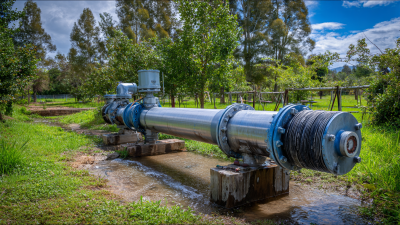

Efficiency in Water Transport: How Hydraulic Ram Pumps Work

Hydraulic ram pumps are a game-changer for farmers looking to transport water efficiently. These devices operate using hydraulic power, utilizing the kinetic energy of flowing water. They require no external power source, making them ideal for remote areas. When water flows through the pump, it builds pressure, enabling it to lift a portion of the water to a higher elevation. This process not only conserves energy but also minimizes operational costs.

The efficiency of hydraulic ram pumps lies in their simple design. A few key components work together to create a reliable system for water movement. Farmers can divert a small portion of water from a stream or river, meaning they can irrigate their fields with minimal effort. However, they may face challenges related to maintenance or installation. If not set up correctly, farmers can experience reduced efficiency, leading to wasted resources. Observing how water flow changes throughout seasons can also help improve pump efficiency.

While these pumps offer many benefits, careful consideration is vital. Not all locations are suitable for hydraulic ram pumps. A thorough assessment of the water source and terrain is necessary. Incorporating insights from experienced users can lead to better outcomes. By learning from failures or successes, farmers can refine their approach to using hydraulic ram pumps more effectively.

Top 10 Benefits of Using Hydraulic Ram Pumps for Farmers

Benefit Description Estimated Efficiency (%)
Energy Efficiency Utilizes the kinetic energy of flowing water to pump without electricity. 80-90
Cost-Effective Low operational costs as they require minimal maintenance. N/A
Low Environmental Impact Does not need fossil fuel or electricity, reducing carbon footprint. N/A
Remote Location Usage Ideal for areas without grid access; can operate in remote areas. N/A
Durability Constructed from robust materials, ensuring long lifespan. N/A
Simplicity Simple mechanical design makes them easy to install and operate. N/A
Versatility Can be used for irrigation, livestock watering, and more. N/A
Minimal Maintenance Requires little upkeep compared to electric pumps. N/A
Adaptable Easily adjustable to different water sources and flow rates. N/A
Reliable Proven technology that has been used successfully for decades. N/A

Cost Savings for Farmers: Reduced Energy and Maintenance Expenses

Hydraulic ram pumps offer farmers significant cost savings, particularly in energy and maintenance expenses. These devices harness the energy of falling water to pump water without requiring external power sources. Farmers can reduce their reliance on electricity, leading to lower energy bills. In regions with adequate water flow, this becomes a game changer.

Maintenance costs are also minimized with hydraulic ram pumps. These pumps have few moving parts, which means they are less prone to wear and tear. Farmers can expect lower replacement costs and less downtime, which is crucial during critical planting or harvest seasons. However, some farmers may encounter challenges in installation or local regulations. It’s vital to assess the specific requirements and conditions of each site.

Farmers often find the initial setup costs daunting. Despite this, the long-term savings typically outweigh these upfront expenses. Still, some farmers may not be entirely convinced of the benefits, needing more evidence from personal experiences or peer feedback. Understanding the balance of cost and efficiency is essential in making an informed decision about using hydraulic ram pumps.

Top 10 Benefits of Using Hydraulic Ram Pumps for Farmers

Environmental Benefits: Sustainable Water Usage Practices

Hydraulic ram pumps offer significant environmental benefits for farmers by promoting sustainable water usage practices. These systems can effectively utilize flowing water sources without consuming electricity or relying on fuel. According to a study by the U.S. Department of Agriculture, farmers utilizing hydraulic ram pumps can reduce water waste by over 50%. The ability to harness gravitational energy means less reliance on conventional irrigation methods, which often waste precious resources.

Farmers can implement these pumps in various terrains. By placing them in streams or rivers, they can lift water to higher elevations, minimizing energy costs and reducing runoff. The efficiency of ram pumps not only conserves water but also enhances soil retention, promoting healthier crops. A report from the Food and Agriculture Organization highlights that sustainable water practices can improve crop yields by 30% in regions with proper water management.

Evaluate your current irrigation systems. Are they efficient? Consider incorporating a hydraulic ram pump into your setup. This change can aid in responsible water management. Awareness of water sources can lead to better integration of ram pumps. Document your water usage before and after implementing these systems to see tangible results.

Versatile Applications: From Irrigation to Livestock Watering

Hydraulic ram pumps are gaining popularity among farmers for their versatility. These pumps harness the power of flowing water, making them ideal for irrigation and livestock watering. Farmers can set up these systems in remote areas where electricity is scarce. This creates a sustainable solution for water management.

Using hydraulic ram pumps for irrigation boosts crop yields. They deliver water efficiently to fields, ensuring plants receive the right amount. For livestock, these pumps provide a steady water supply. Animals need clean water, and the hydraulic system meets that crucial demand. It’s a reliable method, but it requires proper installation and maintenance.

Challenges exist with hydraulic ram pumps. They rely on the availability of water flow, which can be inconsistent. Some farmers may underestimate the need for regular checks. Ensuring the system is functioning well is crucial to avoid disruptions. These pumps work best when farmers understand their unique water needs and implement the right strategies for usage.

Company Info

Universal Pumping

625 Apache Trail
Woodstock, GA 30189

Mon - Fri | 9:00 AM - 5:00 PM

Connect With Us

About Universal Pumping

Universal Pumping is staffed with industry professionals with 20-45 years experience with high pressure pumping systems. We represent only the “elite producers” in pump manufacturing: Britain’s EMS and Germany’s EMMERICH. Our engineering and manufacturing approach is conservative, and we do not use “guess work” in the design or sales of our pumping and filtration equipment.