

Universal Pumping | High Pressure Pumps
High Pressure Pumps for Difficult to Pump Slurry, Sludge, and Food Waste.
Choosing the best diaphragm pumps in China is not a matter of comparing price tags alone. Buyers need to match flow, pressure, fluid properties, and duty cycle to the actual application. A pump handling abrasive slurry in a mine faces different demands from one dosing chemicals in a water-treatment plant. Material details matter: the diaphragm, valve balls, and wetted housing all affect wear, compatibility, and maintenance intervals.
Industry research provides useful context, but it cannot replace equipment-level checks. Grand View Research’s Diaphragm Pump Market report tracks demand across applications and regions, while MarketsandMarkets’ Industrial Pumps Market report examines broader sector drivers. These reports help frame market direction; their estimates and category boundaries may differ. That is not a perfect proxy for comparing Chinese suppliers. A practical shortlist should also examine published performance curves, material specifications, test procedures, spare-parts availability, and after-sales response. Ask for evidence tied to the exact model, not a general product brochure.
This guide compares diaphragm pumps available from Chinese manufacturers by application, construction, performance, and support. It also highlights questions buyers should ask before requesting a quotation. Small details count. A stated maximum flow rate may not reflect real output under back pressure or with a viscous medium. Supplier claims deserve verification, and even a careful comparison can miss site-specific conditions. The strongest choice is the pump that performs reliably in your process, with documentation and service that remain accessible after installation.
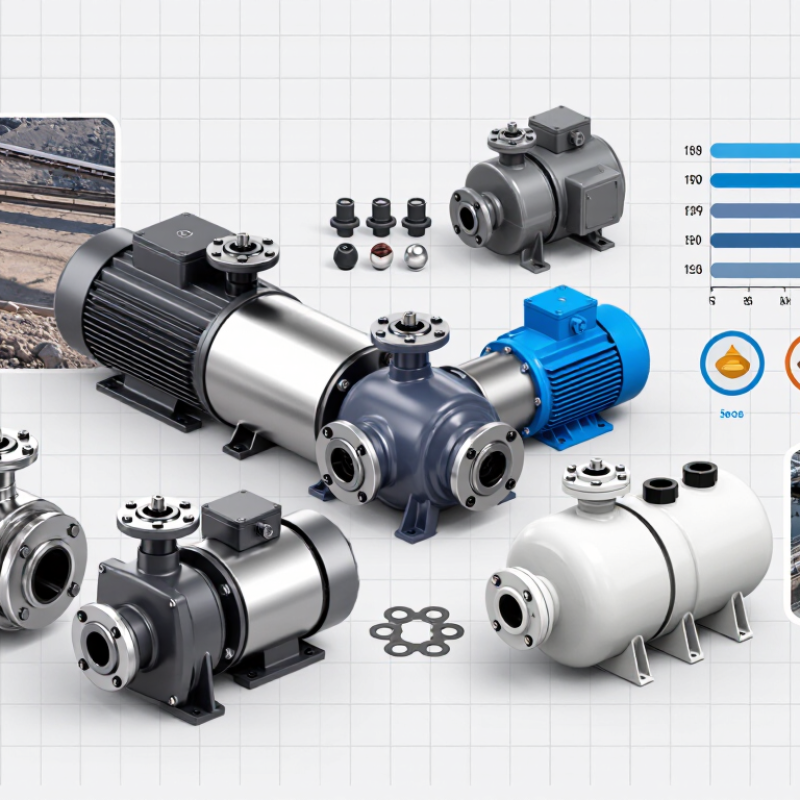
A diaphragm pump moves liquid by flexing a flexible membrane inside a chamber. As the membrane pulls back, chamber volume increases and liquid enters through an inlet check valve. On the return stroke, the chamber pressure rises, closing the inlet valve and pushing liquid through the outlet. The cycle repeats. Many models use compressed air; others use electric drives. No rotating seal.
This design can handle fluids that are abrasive, viscous, or sensitive to leakage, depending on pump materials and configuration. In Chinese manufacturing and water-treatment facilities, diaphragm pumps may transfer cleaning solutions, wastewater, slurries, or process liquids between tanks. A technician might check the air line, valve balls, and membrane after noticing uneven flow or a change in discharge pressure. Small details matter.
They are useful, but not universal. Flow can pulse, and compressed-air models may consume considerable air. Chemical compatibility also deserves careful checking: a membrane that tolerates one liquid may swell or crack with another. I would not choose a pump from flow rate alone. Consider viscosity, particle size, temperature, required pressure, and cleaning needs, then confirm them against the pump’s technical data. That step is easy to overlook.
| Pump Type | How It Works | Typical Performance Range | Common Wetted Materials | Typical Applications | Best Suited For | Key Selection Considerations |
|---|---|---|---|---|---|---|
| Air-operated double-diaphragm (AODD) | Compressed air moves two diaphragms alternately. Check valves direct liquid through the pump chambers, producing a reciprocating flow. | Common industrial configurations range from a few litres per minute to several hundred litres per minute; discharge pressure is generally limited by the available air pressure. | Polypropylene, PVDF, aluminium, cast iron, stainless steel; diaphragms may be made from PTFE, EPDM, or other elastomers. | Paints, adhesives, wastewater, slurries, corrosive chemicals, and liquid transfer in manufacturing plants. | Portable transfer, intermittent duty, and applications involving viscous or particle-bearing liquids. | Check air supply, particle size, chemical compatibility, pulsation, noise, and the cost of compressed air. |
| Electric double-diaphragm | An electric motor and drive mechanism move the diaphragms, while inlet and outlet check valves control the liquid flow. | Flow and pressure vary widely by design and size; many units provide controlled, continuous transfer at low to moderate pressure. | Polypropylene, PVDF, stainless steel, and application-specific diaphragm elastomers or PTFE. | Water treatment, chemical transfer, coating processes, and facilities where compressed air is unavailable or inefficient. | Steadier operation and reduced dependence on a compressed-air system. | Confirm motor protection, speed control, duty cycle, allowable solids, and compatibility with the pumped liquid. |
| Mechanically actuated metering diaphragm | A motor-driven mechanism flexes a diaphragm by a controlled stroke. Adjusting stroke length or speed changes the metered output. | Often used for low, accurately controlled flows, from millilitres per hour to hundreds of litres per hour; pressure capability depends on the specific design. | Common options include PVC, PVDF, stainless steel, PTFE-faced diaphragms, and compatible valve materials. | Water disinfection, pH adjustment, chemical dosing, and small-scale process control. | Repeatable dosing of relatively clean liquids at a controlled rate. | Evaluate required accuracy, turndown ratio, back pressure, calibration, pulsation, and whether the liquid contains solids. |
| Hydraulically actuated diaphragm metering | A hydraulic mechanism transfers force to a diaphragm, separating the process liquid from the drive components and supporting controlled dosing. | Designed for metering duties that may require higher discharge pressures than many standard mechanical dosing pumps; actual limits are model-specific. | Typically selected from stainless steel, alloy materials, PTFE, and other materials compatible with the process fluid. | High-pressure chemical injection, industrial processing, and dosing systems with demanding pressure requirements. | Accurate metering where pressure containment and isolation of the process fluid are important. | Verify maximum pressure, flow accuracy, diaphragm monitoring options, materials, and applicable safety requirements. |
| Sanitary diaphragm pump | A diaphragm reciprocates to move liquid through check valves; sanitary versions use cleanable product-contact surfaces and hygienic connections. | Performance depends on pump design, liquid viscosity, temperature, and cleaning requirements; consult the pump’s certified operating data. | Usually stainless steel product-contact surfaces with food- or pharmaceutical-compatible diaphragm materials. | Food and beverage processing, personal-care products, and pharmaceutical or biotech production. | Hygienic transfer and processes that require documented cleaning procedures. | Check surface finish, clean-in-place or sterilize-in-place capability, seals, certifications, and validated cleaning procedures. |
Performance ranges are indicative rather than guarantees. The best diaphragm pump depends on the required flow and pressure, liquid viscosity and particle content, chemical compatibility, operating environment, and local service support. Always confirm limits against the selected pump’s technical documentation.
Universal Pumping
625 Apache Trail
Woodstock, GA 30189
Mon - Fri | 9:00 AM - 5:00 PM
Universal Pumping is staffed with industry professionals with 20-45 years experience with high pressure pumping systems. We represent only the “elite producers” in pump manufacturing: Britain’s EMS and Germany’s EMMERICH. Our engineering and manufacturing approach is conservative, and we do not use “guess work” in the design or sales of our pumping and filtration equipment.


