
Universal Pumping | High Pressure Pumps
High Pressure Pumps for Difficult to Pump Slurry, Sludge, and Food Waste.
Choosing a Paper Box Glue Spraying Machine is not just a matter of comparing speed claims. Packaging lines differ in box size, material, adhesive type, and daily production volume. A machine that suits a small carton workshop may struggle with continuous, high-volume work. Details matter.
This guide introduces seven machines for different packaging needs. It considers practical factors such as spray pattern, nozzle adjustment, glue delivery, operating controls, and cleaning access. These features affect whether adhesive lands neatly along a box seam or leaves uneven spots on the board. Small differences can show up quickly.
A published speed rating helps, but it does not tell the whole story. Ask how the machine handles your actual carton dimensions and chosen adhesive. Check whether setup and routine maintenance fit your team’s experience. A technically capable machine can still be a poor match if operators find its controls confusing or replacement parts are difficult to source. That point is easy to overlook.
The options below are intended as a starting point, not a universal ranking. Product specifications and support can vary by model and supplier, so confirm current details before purchasing. Test with your own box samples when possible. A short trial may reveal issues that a brochure misses. Even careful comparisons have limits.
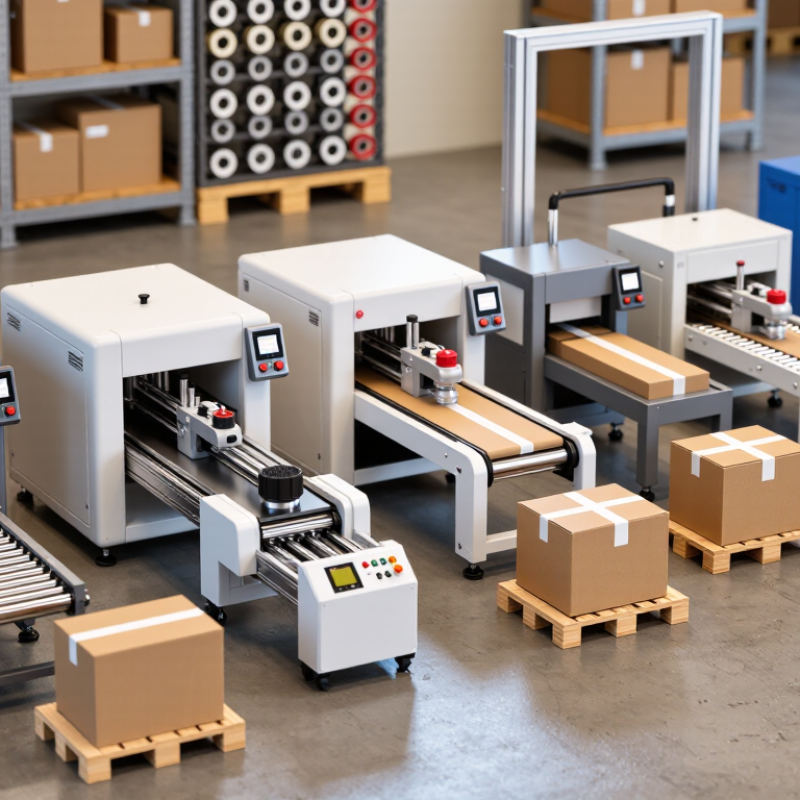
Paper box glue spraying machines apply adhesive in measured lines or dots along folding panels, seams, and corners. As flat blanks move through the machine, nozzles place glue where the box will later be folded or joined. This helps keep adhesive off visible surfaces and reduces uneven hand application. A well-adjusted spray pattern can also support consistent production when box sizes and materials stay within the machine’s working range.
The details matter. Too little glue can leave a seam lifting; too much may cause squeeze-out, slow setting, or mark the paper. Operators typically check nozzle alignment, glue flow, and the first finished boxes after a setup change. A test run helps catch problems early. Not every box needs the same pattern. Coated paper, board thickness, and fold design can all affect adhesion, so settings should be tested with the actual packaging stock. Regular cleaning matters, too, since dried adhesive can distort a spray pattern. Machines reduce repetitive work, but they do not remove the need for careful setup and inspection. Even a small shift in a nozzle can leave a visible gap.
Glue spraying machines apply adhesive to selected areas of paper-box blanks or folded panels to help form and secure the package. The bars show the typical order of workflow stages—not machine performance or production measurements. Exact line layouts and sequences vary by box design and equipment.
7 Best Paper Box Glue Spraying Machines for Packaging?
How Glue Spraying Systems Apply Adhesive to Paper Boxes
A glue spraying system lays controlled lines or dots of adhesive onto selected areas of a paper box blank. Feed rollers guide each sheet beneath the spray heads, while sensors help match adhesive delivery to the blank’s position. The nozzle pattern must suit the box design: narrow lines can join small flaps, while broader coverage may help with larger panels. Small details matter. If the spray starts late, glue can miss the flap edge; if it continues too long, adhesive may squeeze out during folding.
Operators typically adjust spray pressure, nozzle distance, and timing for the paper stock and production speed. They then check sample boxes for open seams, glue spots, and uneven bonding. A setup that looks clean on one sheet may drift during a longer run, so periodic checks are useful. Paper dust or a partly blocked nozzle can also change the pattern. Less can be better; excess adhesive may slow setting and mark the box surface.
Tips: Test the spray on the actual board, not just a sample of similar thickness. Inspect the nozzles regularly, and keep a few freshly folded boxes nearby for quick bond checks.
The most suitable system depends on the box style, adhesive, production volume, and required glue pattern. The configurations below describe common equipment approaches rather than ranked products.
| Machine configuration | Typical adhesive and application | Suitable box work | Main advantages | Points to consider |
|---|---|---|---|---|
| 1. Folder-gluer with cold-glue nozzle system | Water-based adhesive dispensed as controlled lines or dots onto defined glue flaps. | Folding cartons and other repeatable carton styles with regular glue seams. | Well suited to continuous production; nozzle placement can be adjusted to the carton layout. | Adhesive viscosity, drying conditions, nozzle cleanliness, and board surface affect bonding. |
| 2. Folder-gluer with hot-melt nozzle system | Heated thermoplastic adhesive applied in beads, lines, or selected dots; it sets as it cools. | Cartons needing a fast initial bond, including some heavier or coated paperboard jobs. | Rapid setting can support short compression and handling intervals. | Requires heated equipment and attention to temperature, adhesive char, and operator safety. |
| 3. Dual cold-glue and hot-melt system | Separate dispensing circuits apply water-based glue and hot melt to designated areas. | Mixed carton jobs where different seams or substrates call for different bonding behavior. | Offers flexibility to combine a rapid tack with a longer-term bond where the design requires it. | More complex setup and maintenance; adhesive placement and compatibility must be validated. |
| 4. Multi-channel programmable glue applicator | Multiple electronically controlled valves deposit timed lines or dots at different positions. | Cartons with several glue points, varied flap layouts, or frequently changed patterns. | Pattern control can reduce unnecessary adhesive use when correctly set up. | Needs accurate registration, suitable controls, and regular checks for blocked or misaligned valves. |
| 5. Contact wheel or roller glue applicator | A rotating wheel or roller transfers adhesive by contact rather than spraying it through a nozzle. | Straight, repeatable glue areas on compatible carton blanks or paperboard components. | A straightforward option for continuous application along a consistent path. | Less flexible for isolated dots or changing patterns; wheel contact and adhesive buildup need monitoring. |
| 6. Semi-automatic carton gluing station | An operator positions the blank while a pump-fed nozzle or applicator lays down the selected pattern. | Short runs, sampling, prototypes, and work with frequent changeovers. | Can be easier to adapt to varied jobs than a dedicated high-volume line. | Throughput and placement consistency depend more heavily on the operator and fixture setup. |
| 7. Gantry or robotic pattern-dispensing cell | A programmed dispensing head follows a specified path to apply beads or dots to positioned blanks. | Custom, irregular, or lower-volume packaging work that needs flexible glue paths. | Programmable movement can accommodate multiple patterns without relying on a fixed applicator layout. | Requires programming, reliable blank positioning, guarding, and validation of each pattern. |
Selection note: Confirm the paperboard coating, box geometry, adhesive specification, required bond time, and line speed with adhesive and equipment suppliers. In packaging equipment, “spraying” may refer broadly to controlled nozzle dispensing; many carton systems apply adhesive as beads or dots rather than a fine mist.
Paper-box glue spraying machines differ less by headline speed than by control of the glue line. Adjustable nozzle spacing, stable pressure, and consistent spray width help prevent dry edges and glue on visible panels. On a folding carton, even a few millimeters of misplaced adhesive can cause weak seams or messy squeeze-out. Small details matter.
Adhesive handling is another key distinction. A useful machine lets operators set spray volume for different board weights and maintain steady delivery as viscosity changes. AF&PA reported that 65–69% of U.S. paper was recycled in 2023, representing about 46 million tons. Recycled fibers can affect board porosity, so a setting that works for one carton stock may not suit another. Recipe storage and quick adjustments can reduce setup waste, though they cannot replace a test run.
Look for registration sensors, accessible nozzles, and clear cleaning routines. Sensors help keep glue aligned when blanks shift on the conveyor; easy access makes dried adhesive less likely to interrupt a shift. Ask suppliers to demonstrate the machine using your actual box blanks and adhesive. A fast demo on ideal stock proves little. And operators still need training; automation is not magic.
Packaging lines can choose from seven paper box glue spraying machine configurations: manual spray booths, bench-top pneumatic units, conveyor-fed semi-automatic sprayers, inline folder-gluer modules, multi-nozzle bars, programmable gantry systems, and hot-melt spray units. Each suits different box sizes, adhesive types, and production speeds. A small workshop may value simple controls, while a busy line may need conveyor synchronization and repeatable spray patterns.
Check the box material and glue before comparing machines. Coated board can behave differently from uncoated stock, and excess adhesive may cause staining or weak folds. Adjustable pressure and nozzle spacing help operators control coverage. One detail is easy to miss: a wider spray pattern is not always better. It can reach box edges, but may also create overspray. Even a well-set machine can need adjustment when the board or glue changes.
Tips: Test a real box blank, not just a flat scrap. Inspect the glue line at corners and flaps, then check bonding after the adhesive sets. Note the settings; small changes can matter.
Choosing a paper box glue-spraying machine starts with the box, not the machine’s headline speed. Record your smallest and largest blanks, board thickness, daily volume, and required bond pattern. FEFCO’s 2023 European Database reported about 48.2 billion square metres of corrugated-board production in 2022, reflecting the scale and variety of packaging formats in use. That figure is useful context, but it cannot tell you which machine fits your line. Check whether the spray system handles your adhesive’s viscosity and whether operators can adjust nozzle spacing and spray width without lengthy changeovers. A fast machine may still cause trouble if glue lands near a fold or misses a narrow flap.
Tip: Test your actual board and adhesive. Inspect the bond after folding, not just while the blank lies flat. Fit matters.
Before buying, compare the machine’s rated speed with your real production conditions. Ask for a trial using your box size, board grade, and adhesive. Check overspray, cleaning time, glue consumption, and access to nozzles. Confirm that controls can repeat settings across shifts; a setting remembered by one operator is not a reliable process. Also consider floor space, conveyor height, and connection to existing equipment. Small details are easy to miss. Even a promising trial may not reflect a full shift, so request extended testing when possible.
Universal Pumping
625 Apache Trail
Woodstock, GA 30189
Mon - Fri | 9:00 AM - 5:00 PM
Universal Pumping is staffed with industry professionals with 20-45 years experience with high pressure pumping systems. We represent only the “elite producers” in pump manufacturing: Britain’s EMS and Germany’s EMMERICH. Our engineering and manufacturing approach is conservative, and we do not use “guess work” in the design or sales of our pumping and filtration equipment.


