
Universal Pumping | High Pressure Pumps
High Pressure Pumps for Difficult to Pump Slurry, Sludge, and Food Waste.
In 2026, the best Shuttering Magnet for precast concrete is not simply the model with the highest advertised holding force. It is the one that suits the formwork, production rhythm, and handling method without adding avoidable risk. Small details matter. A magnet placed on a dusty steel table, for example, may not seat as firmly as expected. Magnet layout, contact surface, form pressure, and concrete mix can all affect performance. Buyers should compare documented holding-force data, dimensions, release mechanisms, corrosion protection, and compatibility with their steel beds. A clear specification sheet helps, but it cannot answer every shop-floor question.
This guide explores what those specifications mean in daily precast work and how to compare common designs for beams, walls, slabs, and custom forms. It also considers setup speed, cleaning, maintenance, and the effort needed to reposition units between pours. There is no universal winner. A compact magnet may suit a flexible production line, while a larger unit may better match a heavy form, if the form and bed are designed for its loads. Do not rely on one headline number; request current technical documentation and confirm operating limits with the supplier. Actual results still vary. That uncertainty deserves attention, not a footnote. The aim is a practical shortlist based on fit, performance evidence, and safe handling—not a promise that one product will solve every production problem.
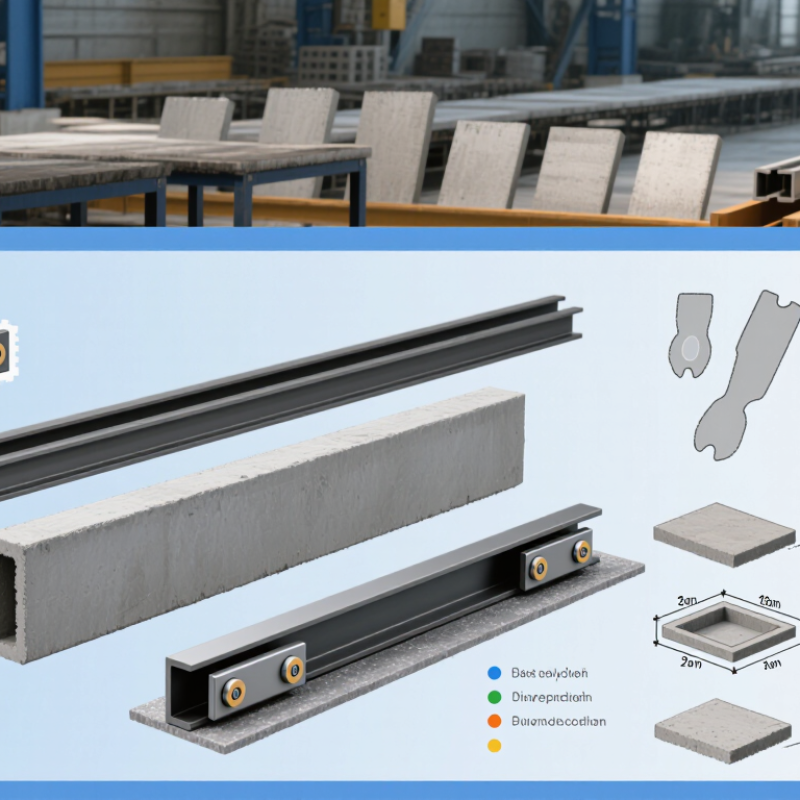
A shuttering magnet is a removable fixture that holds formwork against a steel casting bed during precast production. Its magnetic base grips the bed; a threaded body, clamps, or adapters connect to the shuttering. When released, the unit can be repositioned without drilling the table. Small component. Important job.
On a production floor, the details matter. Dust, dried paste, a slightly uneven bed, or a poorly seated magnet can reduce contact and allow formwork to shift under fresh-concrete pressure. Operators should check the magnet’s rated holding force against the actual setup, then verify alignment before pouring. A rating alone is not a guarantee. I have seen tidy calculations meet messy steel.
The 2024 Global Status Report for Buildings and Construction, published by UNEP and the Global Alliance for Buildings and Construction, reports that the sector accounts for 37% of global energy- and process-related CO2 emissions. That figure does not measure shuttering magnets. It does underline why durable, reusable production equipment deserves attention. A magnet can support quicker changeovers and reduce table damage, but only when it is cleaned, inspected, and stored properly. This part is often neglected. A cracked housing or trapped concrete residue may seem minor until the next pour.
A shuttering magnet holds a formwork profile against a steel casting bed without drilling or welding. Its magnetic base creates the grip; a release button or lever helps lift it after casting. This keeps the setup adjustable and leaves the bed surface largely intact. Small details matter.
For reliable placement, clean away grit, dried concrete, and oily residue before positioning the magnet. Even a thin layer can reduce contact and allow a profile to shift. Press the unit flat, check that the formwork sits square, and confirm the magnet’s rated holding force suits the profile and expected concrete pressure. Vibration during pouring can add movement. A magnet cannot correct a warped rail or a poorly prepared bed.
Use enough magnets to support the full formwork length, with extra attention near joints and corners. Follow the supplier’s load guidance rather than judging strength by feel alone. After a trial pour, inspect for gaps, slipping, or paste leakage, then adjust the setup. Not quite foolproof. Concrete mix, bed condition, and handling all affect performance, so record what works for each mold.
Shuttering magnets are not one-size-fits-all. Push-button magnets suit standard steel tables: press the button to release the unit, then reposition it quickly. Fixed-box magnets offer strong, repeatable holding for long straight beds and frequent production runs. Adjustable systems help when side-form widths or profiles change. Smaller corner and side-form magnets are useful around openings, narrow returns, and angled edges. Choose by form geometry, table condition, and required holding force—not by magnet size alone.
ACI 347R-14, Guide to Formwork for Concrete, calculates form pressure using factors such as concrete placement rate and temperature. These conditions matter because fresh-concrete pressure can increase the load on a side form and its magnets. PCI’s MNL-116 plant quality-control manual also makes consistent production checks central to precast quality. In practice, inspect the magnet face and steel bed for grout, rust, or gaps; a thin layer of debris can reduce contact. One detail is easy to overlook: the rated pull force may not reflect a rough, painted, or uneven table.
Tips: Test the setup before pouring. Check magnet seating, form alignment, and release access. Keep a small gap? No—remove it; even slight separation can weaken the hold. Recheck after changing concrete mix, pour speed, or form profile.
Typical applications of common shuttering magnet types
Ratings are qualitative guidance, not measured performance data. Push-button magnets suit flexible day-to-day formwork setups; pneumatic magnets can be useful on repetitive production lines with suitable air systems; adapter-plate magnets help connect magnets to specific formwork profiles. Confirm holding-force requirements, formwork geometry, and the supplier’s safety guidance before choosing.
Choosing a shuttering magnet in 2026 starts with the formwork, not the catalog. Measure the steel table, check its thickness, and note any ribs or uneven areas. Then match the magnet’s footprint and fixing system to the panel layout. Small gaps matter. Dust, dried concrete, and thin paint can weaken contact, even when a magnet’s rated holding force looks ample.
Check the expected concrete pressure, form height, and vibration level before comparing force ratings. A rating measured on clean, flat steel may not reflect conditions on a busy production floor. Ask for test data and installation guidance, then trial a sample on your own table. Watch for movement during vibration. One trial is useful, but it may not reveal every shift in real production.
Consider release speed, corrosion resistance, and access for cleaning between pours. Inspect the housing, switches, and welds for damage; a difficult release mechanism can slow a crew and invite rough handling. Request clear instructions for safe placement and removal. A neat catalog number can still mislead. I would also record small issues during the first production week, since the best fit is not always obvious until the magnets have been handled repeatedly.
A reliable shuttering magnet setup begins with a clean, flat steel bed. Remove concrete crumbs, rust flakes, and oil before positioning the unit. Even a thin fragment can create a gap and reduce contact. Place the magnet squarely against the formwork, then engage its locking mechanism as instructed by the manufacturer. Check that it sits flush and does not rock. Small details matter. A quick visual check is useful, but it cannot replace the specified installation procedure.
Keep hands clear of pinch points while setting or releasing magnets. Use the designated release tool, and never strike the housing or pry against it with improvised equipment. Confirm the magnet’s rated capacity and application limits before use; its holding rating does not automatically account for every load during concrete placement. Secure the formwork as designed, and keep people away from areas where panels could shift. If a lock indicator looks unclear, stop and verify rather than guessing. Do not guess.
After stripping, remove residue with tools that will not damage the magnet’s contact surface or housing. Inspect for cracks, deformation, corrosion, loose parts, and damaged release mechanisms. Tag questionable units and follow site procedures for evaluation; do not repair them with makeshift welds or adhesives. Store magnets dry, with protective covers where supplied. Maintenance logs can reveal repeated failures, though a log alone will not prevent them. A rushed setup can look tidy and still be wrong, so pause when something feels off.
| Category | Practice or Selection Check | Recommended Approach | When to Check |
|---|---|---|---|
| Magnet selection | Match the unit to the formwork system | Confirm that the magnet’s dimensions, fixing method, and rated holding force suit the shutter profile, contact surface, and production setup. Do not select by rated force alone. | Before purchase or when changing formwork |
| Holding-force assessment | Use application-specific load calculations | Account for concrete pressure, vibration, shutter geometry, surface condition, and any eccentric or peeling loads. Use the supplier’s test conditions and a qualified engineer’s assessment; published ratings are not automatically equivalent to in-service capacity. | During design and process review |
| Surface preparation | Clean the magnet contact area and steel bed | Remove concrete residue, loose scale, oil, and other material that could create a gap or reduce magnetic contact. Keep mating surfaces flat and free of trapped debris. | Before each installation |
| Positioning | Place the unit on a suitable, flat steel surface | Align the magnet with the formwork position and ensure its full contact face sits flush. Avoid placing it across joints, uneven patches, or areas with significant coating buildup. | At every setup |
| Activation | Operate the release mechanism as designed | Use the intended lever, button, or tool and follow the equipment instructions. Keep hands clear of pinch points and verify that the magnet is fully engaged before loading the formwork. | During placement and removal |
| Formwork stability | Check the complete shutter assembly | Verify alignment, bracing, joints, and end restraints in addition to magnet engagement. Magnets secure formwork to the bed but do not replace required bracing or a designed formwork system. | Before concrete placement |
| Concrete placement | Control placement and vibration | Follow the approved placement sequence and avoid directing a vibrator against the shutter or magnet assembly. Excessive vibration or impact can increase movement and loading. | Throughout casting |
| Safe handling | Manage strong magnetic attraction and pinch hazards | Keep fingers and tools out of closing gaps, prevent magnets from snapping together, and use suitable handling equipment for heavy units. Follow site rules for magnetic devices near sensitive equipment or medical devices. | At all times during handling |
| Release and removal | Release only after the formwork is safe to move | Follow the production procedure for concrete strength and stripping sequence. Use the designed release method; do not strike, pry, or heat the unit unless the manufacturer’s instructions explicitly permit it. | Before stripping |
| Cleaning | Remove concrete buildup without damaging the housing | Use non-damaging tools and approved cleaning methods. Avoid gouging the contact face, damaging seals, or using heat or chemicals that could affect components. | After use and before storage |
| Inspection | Look for wear, damage, and unreliable operation | Check the housing, contact face, fasteners, release mechanism, and any visible seals. Remove damaged or malfunctioning units from service until assessed and repaired. | Before use; record defects when found |
| Functional testing | Confirm operation using an approved method | Where required by the site procedure, use a suitable test fixture or documented inspection method. A simple visual check cannot establish the actual holding force of a magnet. | At the interval set by the risk assessment and service history |
| Storage | Protect units from impact and contamination | Store clean, dry, and secure; prevent unintended attraction to nearby steel parts and protect contact faces from impact, corrosion, and concrete residue. | After cleaning and between production runs |
| Records | Maintain traceable inspection and service history | Record unit identification, inspection dates, defects, repairs, and any test results required by the site quality or safety system. | After inspection, repair, or testing |
Selection note: There is no single shuttering magnet that is best for every precast application. Confirm capacity, compatibility, operating instructions, and inspection requirements for the specific formwork system and site conditions.
Universal Pumping
625 Apache Trail
Woodstock, GA 30189
Mon - Fri | 9:00 AM - 5:00 PM
Universal Pumping is staffed with industry professionals with 20-45 years experience with high pressure pumping systems. We represent only the “elite producers” in pump manufacturing: Britain’s EMS and Germany’s EMMERICH. Our engineering and manufacturing approach is conservative, and we do not use “guess work” in the design or sales of our pumping and filtration equipment.


