
Universal Pumping | High Pressure Pumps
High Pressure Pumps for Difficult to Pump Slurry, Sludge, and Food Waste.
A Butt Fusion Tool is an essential device in the world of piping. This tool is specifically designed for joining thermoplastic pipes. The fusion process melts the ends of the pipes, allowing them to bond together seamlessly. Understanding how this tool works is crucial for anyone involved in plumbing, construction, or pipeline projects.
Using a Butt Fusion Tool requires precision and expertise. Operators need to set the correct temperature and timing for effective fusion. An improper setting can lead to weak joints, which may cause failures or leaks. This aspect needs careful consideration to ensure reliability in piping systems.
Mistakes in using this tool can be costly. For instance, if the heating plates are not cleaned properly, residual material can affect the joint quality. Training and experience play a significant role in mastering the use of a Butt Fusion Tool. As technology evolves, new advancements in these tools may require continuous learning. Investing time in understanding these details can greatly enhance the effectiveness of using this vital equipment in the field.
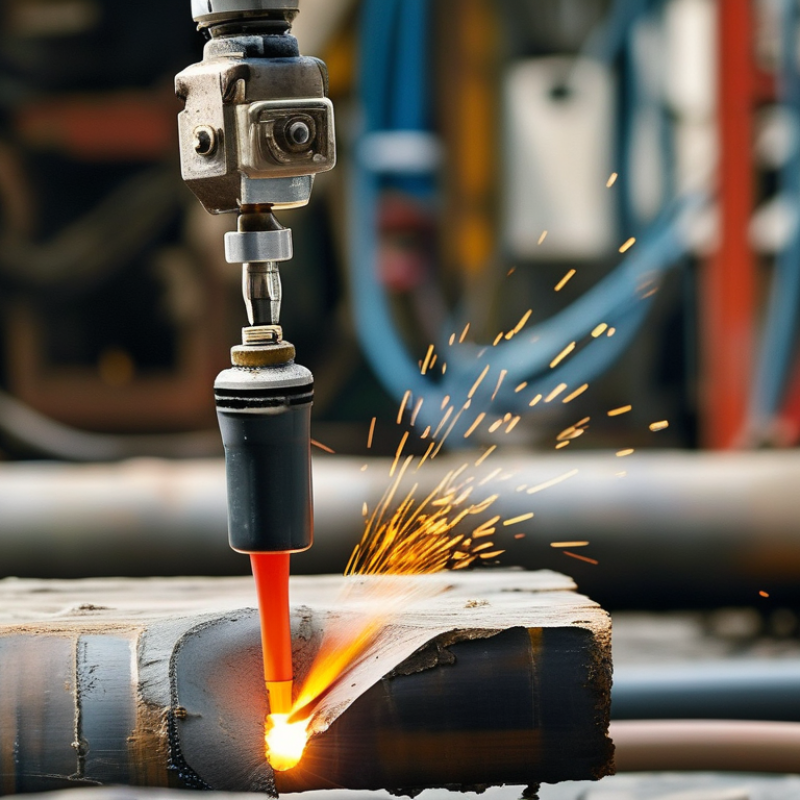
A butt fusion tool is essential in plastic pipe welding. It is a specialized device used for connecting two thermoplastic pipes. The process involves heating the ends of the pipes until they melt, and then pressing them together to form a strong bond. This method is widely used in various industries, particularly in gas and water distribution. According to a 2022 industry report, the global market for butt fusion fittings is expected to reach $2 billion by 2026, reflecting the growing demand for durable piping solutions.
The functionality of a butt fusion tool is straightforward yet critical. The tool typically consists of a heating element, a clamping mechanism, and alignment parts. The heating element ensures consistent temperature control, which is vital for achieving proper fusion. Many professionals consider temperature variations as a frequent challenge. A slight deviation can lead to joint weaknesses. Industry standards recommend strict temperature monitoring to mitigate such risks.
Precision plays a crucial role in the butt fusion process. Misalignment can result in weak joints, which may lead to leaks. Implementing robust training programs for operators could improve outcomes. Reports indicate that improper welding is a common source of failures in piping systems. Therefore, effective use of butt fusion tools hinges on both the equipment's quality and the operators' skills.
Butt fusion technology is a widely used method for joining thermoplastic pipes. It involves heating the ends of the pipes until they melt, then joining them together under pressure. This creates a strong, permanent bond. One key principle of butt fusion is that the materials must be of the same type. This ensures maximum compatibility and strength at the joint.
Temperature control is essential in butt fusion. If the heating is too high, the material can degrade. If it’s too low, the bond may not form properly. Proper alignment during the fusion process is also necessary. Misalignment can lead to weak joints that are prone to failure.
**Tips:** Always check the equipment for calibration before starting. Regular maintenance can prevent fusion problems. Additionally, keep an eye on the ambient temperature. Variations can affect the fusion process. Remember, practice makes perfect. Start with smaller joints to build confidence before tackling larger projects.
| Dimension | Value | Description |
|---|---|---|
| Fusion Temperature | 200-240°C | Optimal temperature range for butt fusion of polyethylene pipes. |
| Heating Time | 30-60 seconds | Time required to heat the surfaces of the pipes before fusing. |
| Cooling Time | 10-20 minutes | Time for the fused joint to cool and achieve stability. |
| Pipe Diameter | 20-800 mm | Standard range of diameters that can be joined using butt fusion. |
| Material Type | Polyethylene (PE) | Most common material used in butt fusion applications. |
| Pressure Rating | Up to 16 bar | Maximum pressure that the fused joint can safely handle. |
A butt fusion tool is essential for joining thermoplastic pipes. Understanding its components can enhance your work efficiency. Key components include the heater plate, alignment tools, and the fusion machine itself. The heater plate, often made from aluminum, heats the pipe ends to the required temperature. This ensures a strong bond when the pipes are pressed together.
Alignment tools help position the pipes accurately. Proper alignment is crucial for a seamless bond. Any misalignment can lead to leaks or weak joints. The fusion machine typically consists of a clamp and an operator panel. The clamp holds the pipes steady during fusion, while the operator panel controls the heating time and pressure. Each component plays a vital role in achieving optimal results.
Maintenance of these components is important. Regularly check the heater plate for wear or damage. Ensure the alignment tools are precise for accurate positioning. Take time to understand each part's function thoroughly. This reflection can mitigate mistakes in the field. Remember, a well-maintained butt fusion tool leads to reliable installations.
Butt fusion is a popular method for joining thermoplastic pipes. This process is widely used in the construction and utility industries. The step-by-step process ensures strong, leak-proof connections, essential for pipeline integrity.
Preparation is critical. The surfaces of the pipes must be cleaned and aligned correctly. Any dirt or debris can compromise the joint. Then, operators use a butt fusion tool, which consists of heating elements and clamps. These tools provide precise temperature control. The heating elements soften the pipe ends, allowing them to fuse together.
After heating, the pipes are pressed together for a specific time, usually around 30 seconds. During cooling, the joint solidifies. Studies estimate that butt fusion joints have a tensile strength of over 90% of the pipe’s original material strength. It's crucial to monitor this step closely to avoid weak joints.
**Tips:** Always verify the temperature settings on your butt fusion tool. Incorrect temperatures can lead to poor fusion. Regular maintenance of the equipment can prevent failures during critical projects. Ensuring a clean workspace enhances joint quality. A few moments spent preparing can save significant time down the line.
Butt fusion welding is an essential technique in industries that require strong, durable joints. This method connects thermoplastic materials by heating their ends and then pressing them together until they cool and fuse. It is widely used for joining pipes, especially in water and gas transportation sectors. The reliability of butt fusion comes from the seamless joints it creates, which significantly reduces the chances of leaks.
One of the main applications of butt fusion is in construction and infrastructure projects. It is crucial for connecting polyethylene pipes, which are often used in municipal water systems. This method not only ensures a robust connection but also saves time and labor costs. Despite its advantages, the process requires skilled operators to achieve the best results. Poor alignment or improper temperature settings can lead to weak joints or product failure.
Butt fusion welding also benefits industries in terms of sustainability. By providing strong, long-lasting connections, it reduces the need for frequent repairs and replacements. However, there is a learning curve that must be considered. Companies must invest in training to avoid costly mistakes. In this way, the technology continues to evolve, demonstrating its importance in modern engineering.
Universal Pumping
625 Apache Trail
Woodstock, GA 30189
Mon - Fri | 9:00 AM - 5:00 PM
Universal Pumping is staffed with industry professionals with 20-45 years experience with high pressure pumping systems. We represent only the “elite producers” in pump manufacturing: Britain’s EMS and Germany’s EMMERICH. Our engineering and manufacturing approach is conservative, and we do not use “guess work” in the design or sales of our pumping and filtration equipment.


