Universal Pumping | High Pressure Pumps
High Pressure Pumps for Difficult to Pump Slurry, Sludge, and Food Waste.
In the thriving world of industrial pumps, the "high pressure slurry pump" stands out as a critical component for many operations. John Smith, a renowned expert in fluid dynamics, emphasizes, "Choosing the right high pressure slurry pump can significantly impact your operational efficiency." His insight sheds light on the importance of selecting the suitable technology for unique slurry applications.
When navigating the complex marketplace of high pressure slurry pumps, buyers should consider several factors. Understanding the specific requirements, such as the type of slurry, flow rate, and operating pressure, is essential. Details matter in this decision-making process. Not all pumps are created equal. Some may offer better durability while others excel in energy efficiency.
Buyers often overlook the significance of technical support and warranty offerings from suppliers. A good warranty can provide peace of mind, but reflective buyers may question if they truly understand the technical limitations of their chosen pump. Investing wisely in a high pressure slurry pump can yield long-term benefits, making careful consideration a necessity for buyers.
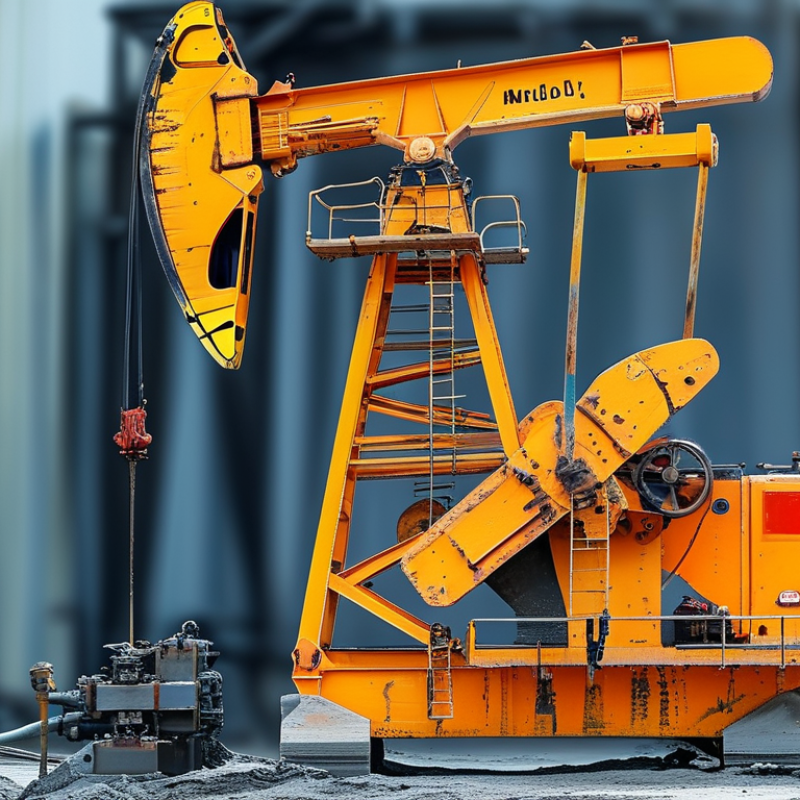
High pressure slurry pumps play a crucial role in various industries. They are designed to transport abrasive and viscous materials efficiently. Understanding their types and applications can guide buyers toward making informed decisions.
There are different types of high pressure slurry pumps. Horizontal slurry pumps are common in mining operations. They handle large volumes with ease. Vertical slurry pumps are ideal for applications with limited space. These pumps can effectively manage heavy solids. Buyers should consider these factors based on their specific needs.
Applications of high pressure slurry pumps are diverse. They are used in mining, mineral processing, and wastewater treatment. Each of these areas presents unique challenges. Users must ensure they choose a pump suitable for their purpose. Overlooking specific requirements might lead to inefficiencies. It's essential to evaluate the pump's performance regularly. This ensures reliability in demanding conditions.
| Type | Max Pressure (bar) | Flow Rate (m³/h) | Applications | Material Compatibility |
|---|---|---|---|---|
| Centrifugal Pump | 15 | 100 | Mining, Wastewater Treatment | Corrosive Slurries |
| Diaphragm Pump | 10 | 80 | Chemical Processing, Food Industry | Acids, Sludges |
| Positive Displacement Pump | 20 | 60 | Construction, Mining | Heavy Slurries, Grits |
| Submersible Pump | 12 | 70 | Dredging, Tank Cleaning | Liquid Slurries |
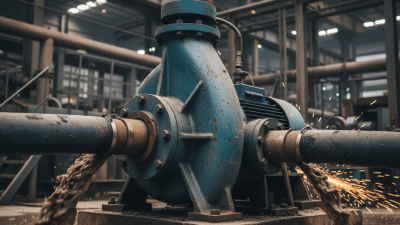
When purchasing a high pressure slurry pump, several key specifications demand attention. The pump's material is crucial. Look for corrosion-resistant materials. This ensures longevity and reliability in demanding conditions. The impeller design is equally important. A well-designed impeller enhances efficiency and minimizes wear. It's essential to verify the pump's performance curve to ensure it meets your specific needs.
Next, consider the pump's capacity and pressure ratings. These specifications determine the pump's operational effectiveness. Pay attention to the flow rate. It should align with your project's requirements. Additionally, the pump's energy efficiency is significant. An efficient pump reduces long-term costs. Evaluating the energy consumption can guide you to make a better decision.
Lastly, do not overlook maintenance considerations. Some pumps require frequent monitoring and servicing. This requirement can affect operational downtime. Investing in easy-to-maintain pumps can save future headaches. Ensure you have access to replacement parts. Engaging with knowledgeable suppliers can help clarify uncertainties. This step will lead to informed purchasing choices that minimize risks.
In the realm of high pressure slurry pumps, understanding market dynamics is crucial. Recent data indicates that several manufacturers dominate the industry. These leading players are continually adapting to changing demands. Their strategies reflect shifts in technology and customer preferences, affecting overall market share.
Market analysis reveals varied trends among these companies. Innovation is a significant driver, with many investing in advanced materials and designs. This push for efficiency can lead to better performance but also raises concerns about sustainability. The balance between performance enhancements and environmental impact is an ongoing debate.
While the market appears robust, challenges exist. Fluctuating raw material costs and supply chain constraints can disrupt operations. Companies must engage in careful planning and adapt to these fluctuations. Focusing on reliability and performance remains key, yet the path ahead may require reevaluation of long-standing practices.
When considering the purchase of a high-pressure slurry pump, understanding the pricing factors is crucial. The cost can vary significantly based on several elements. First, the materials used in the pump construction greatly influence pricing. High-quality, corrosion-resistant materials often come at a premium. Additionally, the pump's specifications, such as flow rate and pressure capacity, also play a significant role in determining costs.
Another important factor is the complexity of the pump's design. Custom solutions tailored for specific applications generally incur higher fees. Moreover, the manufacturer's reputation can affect pricing. Established brands may charge more due to perceived reliability and service support. Geographical location can also influence costs due to shipping and import tariffs.
Tips:
Consider sourcing from multiple suppliers to compare prices. Make a checklist of your specific requirements. This will help you avoid unnecessary expenses and ensure you get the best fit for your needs.
It is essential to reflect on your choices. Sometimes, spending less upfront can result in higher long-term costs. Evaluate the trade-offs carefully to avoid regret when the pump fails prematurely or underperforms. Always seek customer reviews to gauge reliability and long-term satisfaction.
Maintenance of slurry pumps is crucial for optimal performance. Regular inspections can prevent unexpected failures. Checking for wear and tear in seals, bearings, and impellers should be routine. These components handle a lot of stress. Ignoring them can lead to costly repairs.
Cleaning the pump system is equally important. Slurry buildup can reduce efficiency over time. Removing sediment and debris keeps the pump in good working order. It's a simple task that pays off significantly.
Monitoring operational parameters is essential. Keeping an eye on pressure and flow rates can signal potential issues. If readings drift from normal, investigate immediately. Neglecting these signs can lead to severe downtime. Regular maintenance is about preventing problems before they escalate.
Universal Pumping
625 Apache Trail
Woodstock, GA 30189
Mon - Fri | 9:00 AM - 5:00 PM
Universal Pumping is staffed with industry professionals with 20-45 years experience with high pressure pumping systems. We represent only the “elite producers” in pump manufacturing: Britain’s EMS and Germany’s EMMERICH. Our engineering and manufacturing approach is conservative, and we do not use “guess work” in the design or sales of our pumping and filtration equipment.