
Universal Pumping | High Pressure Pumps
High Pressure Pumps for Difficult to Pump Slurry, Sludge, and Food Waste.
A Check Valve is a crucial component in various piping systems. Its primary function is to allow the flow of liquid in one direction while preventing backflow. Understanding how a check valve operates is essential for anyone involved in fluid dynamics.
In different applications, check valves perform various roles. They ensure the efficient operation of pumps and protect equipment from damage due to backflow. Many industries rely on these valves for maintaining system integrity. However, not all installations are perfect. Improper positioning or sizing can lead to failures.
Consider the complexities that arise with check valves. Their function seems simple, yet they require careful selection and maintenance. Some valves may get stuck or wear out over time. This can compromise the system. Regular inspection is vital to ensure check valves work as intended.
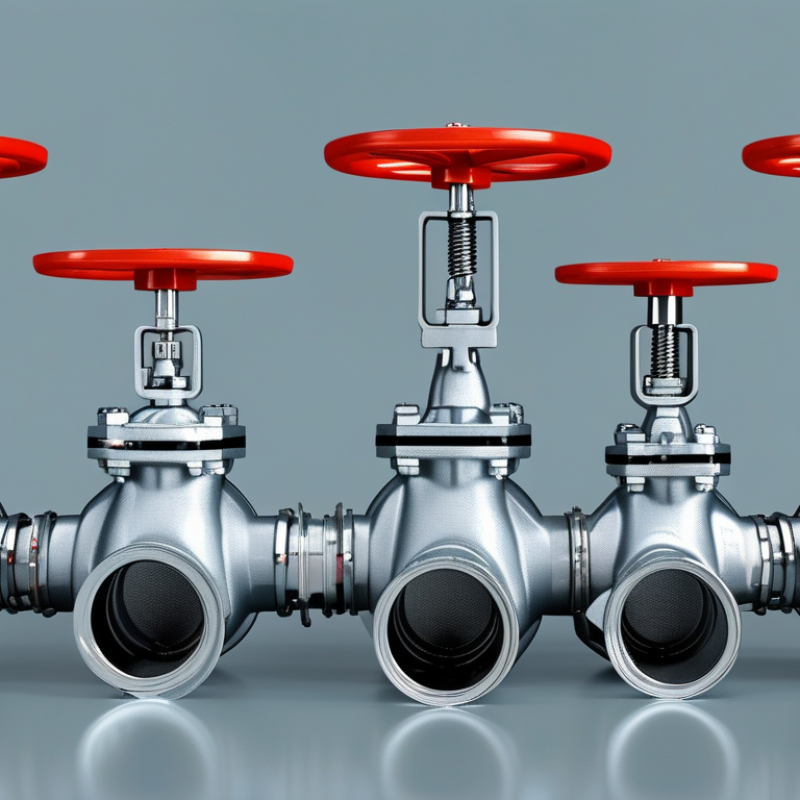
A check valve is a critical component in piping systems. It ensures that fluids flow in one direction, preventing backflow. This mechanism is vital for protecting equipment from damage and maintaining system pressure. According to a report by the American Society of Mechanical Engineers, nearly 30% of pump failures are linked to backflow. This highlights the importance of utilizing check valves properly.
In terms of design, check valves come in various types. Common models include swing, lift, and ball check valves. Each type serves specific functions based on the application. Industry data suggests that installing the correct check valve can improve efficiency by up to 15%. However, incorrect installations can lead to significant pressure drops and system inefficiencies.
While check valves are crucial, they are not foolproof. Issues such as wear and tear can lead to failure. Periodic maintenance is essential. Neglecting this can compromise system integrity. Users often overlook the impact of debris accumulation, which can hinder valve performance. Awareness of these factors is necessary for effective pipeline management.
| Parameter | Description |
|---|---|
| Definition | A check valve is a mechanical device that allows fluid to flow in one direction only, preventing backflow. |
| Function | Check valves maintain unidirectional flow of liquid in piping systems, ensuring proper system operation. |
| Types | Common types include swing, lift, and dual-plate check valves, each suited for different applications. |
| Applications | Used in various industries including water supply, wastewater treatment, oil and gas, and chemical processing. |
| Advantages | Prevents backflow, protects equipment, and improves system efficiency. |
| Installation | Typically installed in horizontal or vertical piping; orientation can affect performance. |
| Maintenance | Regular inspection for wear and tear is needed to ensure reliability and functionality. |
Check valves play a crucial role in fluid control within piping systems. There are several types of check valves, each designed for specific applications. The most common types include swing check valves, lift check valves, and ball check valves. Swing check valves use a hinged disk that pivots open and closed, allowing fluid to flow in one direction. Lift check valves operate similarly but utilize a disc that rises with the flow. Ball check valves feature a ball that seats against a flow path to prevent backflow.
Understanding the nuances of each type enriches the selection process. For instance, swing check valves are excellent for low-pressure applications. They are efficient but can be problematic under certain conditions. On the other hand, lift check valves offer better sealing but can experience wear over time due to the disc lifting. Ball check valves excel in preventing reverse flow, yet their moving parts can lead to maintenance challenges.
Selecting the right check valve requires thoughtful consideration of your specific needs. Often, users might overlook the operating pressure or the fluid characteristics, leading to inefficient systems. The installation location also matters, as horizontal and vertical arrangements can affect valve performance. It’s essential to reflect on these details to avoid potential issues down the line.
This bar chart illustrates the popularity distribution of different types of check valves used in piping systems. Each type of check valve has unique features and applications, making them more or less suitable for specific situations.
Check valves are essential components in piping systems. They allow fluid to flow in one direction while preventing backflow. This mechanism relies on pressure differences, which determine whether the valve opens or closes. When fluid flows in the intended direction, the pressure pushes against the valve disc, lifting it from its seat. This action enables smooth flow. However, if back pressure occurs, the disc moves back to its seat. The design of a check valve ensures that even if the flow stops or reverses, the valve will close tightly.
Understanding how check valves function is crucial for effective piping design. They can be spring-loaded or rely solely on gravity. Spring-loaded valves respond quickly to changes in pressure. Gravity-operated ones depend on the weight of the disc. Both types prevent potential damage to pumps and other equipment caused by backflow. However, improper installation or selection can lead to issues. For instance, a valve may become stuck due to debris or corrosion. Regular maintenance can mitigate these risks.
Check valves are not infallible. Sometimes, they can leak, allowing a small amount of backflow. This issue may go unnoticed until it causes problems downstream. In certain applications, such as wastewater systems, check valves must withstand harsh conditions. Thus, it's vital to choose the right type and material for specific applications. Ultimately, understanding these principles will enhance the reliability and efficiency of piping systems.
Check valves play a crucial role in various industries by ensuring one-way fluid flow. They prevent backflow, which can cause significant damage in piping systems. In the water treatment industry, for example, the global check valve market is projected to reach USD 3.6 billion by 2025. This growth underscores the importance of reliable check valves in maintaining system integrity.
In the oil and gas sector, check valves are essential for safety and efficiency. They protect pipelines from reverse flow, which can lead to leaks and environmental hazards. A report by the International Energy Agency (IEA) emphasized that using proper check valve systems can reduce operational risks by 30%. Industries like pharmaceuticals also rely on these valves for sterile processing, ensuring that no contaminants enter the system.
However, challenges exist. Improper installation or maintenance can lead to valve failures. Regular inspections are necessary to ensure functionality. The performance of check valves can vary significantly based on material and design. Addressing these issues is vital for maintaining safety across industries.
Check valves play an essential role in piping systems, ensuring fluid flows in one direction while preventing backflow. This mechanism is critical in various industries, such as water treatment and oil and gas. A report by the Global Valve Market suggests that the demand for check valves is set to grow significantly, with an estimated increase of 6.5% annually until 2027. This underscores their importance in maintaining efficient operations.
Using check valves offers several benefits. They enhance system efficiency by preventing backflow, which can lead to contamination or damage. Additionally, they help to maintain pressure levels, ensuring the safety of the system. However, users must consider the potential for wear and tear. Check valves can become less effective over time, leading to costly repairs or replacements.
Tips: Regular maintenance checks are crucial. Inspecting your check valves every six months can help identify issues early. When selecting check valves, consider factors such as flow rate and pressure type to ensure optimal performance. Investing in quality valves can significantly reduce long-term costs associated with failures. Remember, an informed choice is key to a reliable piping system.
Universal Pumping
625 Apache Trail
Woodstock, GA 30189
Mon - Fri | 9:00 AM - 5:00 PM
Universal Pumping is staffed with industry professionals with 20-45 years experience with high pressure pumping systems. We represent only the “elite producers” in pump manufacturing: Britain’s EMS and Germany’s EMMERICH. Our engineering and manufacturing approach is conservative, and we do not use “guess work” in the design or sales of our pumping and filtration equipment.


