China Best Diaphragm Waste Pump Supplier?
Finding the best diaphragm waste pump supplier in China takes more than comparing prices or product photos. Buyers need to match pump design with the waste’s solids, viscosity, temperature, and required flow. A pump handling abrasive sludge may need different wetted materials from one moving mild wastewater. That distinction matters. Ask suppliers for documented operating ranges, material specifications, and maintenance guidance before requesting a quotation. A clear answer is more useful than a confident sales claim.
Look closely at the details. Check whether the supplier explains diaphragm materials, valve access, spare-part availability, and testing procedures. Request relevant performance data and confirm how it applies to your operating conditions. Small details count. A polished catalog is not proof of consistent manufacturing, so consider a factory assessment or independent inspection when practical. Also review how the supplier handles technical questions after delivery. That can reveal more than a brochure.
This guide compares supplier capabilities, product suitability, quality evidence, and service support to help buyers make a careful shortlist. Price still matters, but a lower initial cost can bring longer downtime or harder maintenance. There is no universal winner; the right supplier depends on the application and the evidence available. Some specifications may remain unclear until the pump is tested in real conditions. Keep that uncertainty in view, and verify important claims in writing before placing an order.
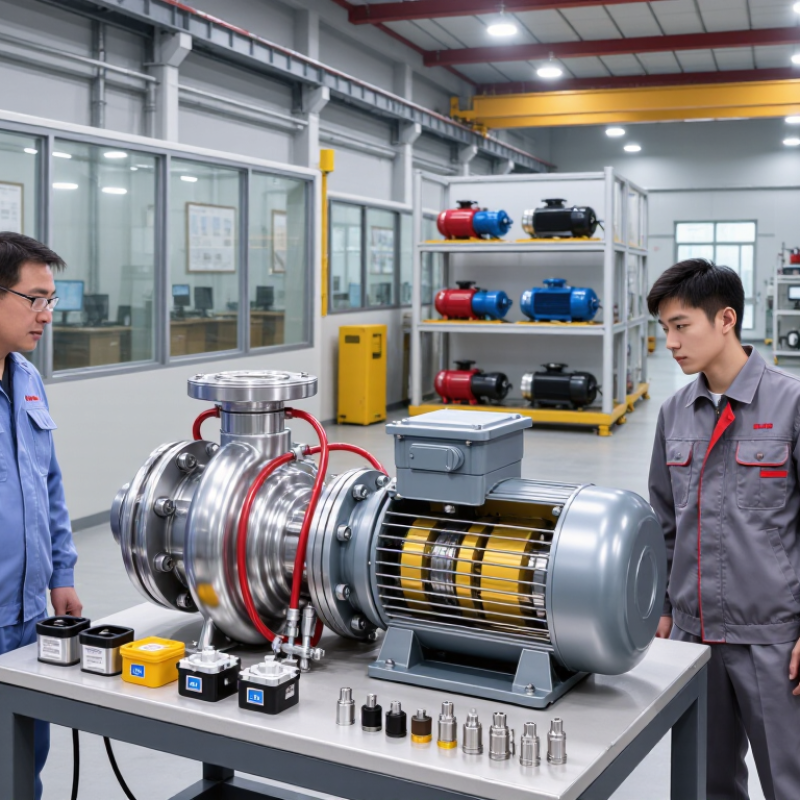
What Is a Diaphragm Waste Pump? AODD Design and 1:1 Pressure Ratio
What Is a Diaphragm Waste Pump? AODD Design and 1:1 Pressure Ratio
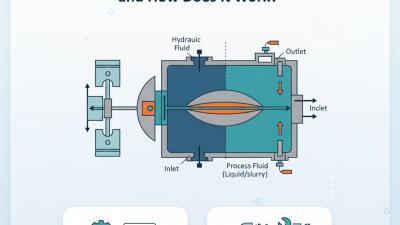
A diaphragm waste pump often uses an air-operated double-diaphragm (AODD) design. Compressed air shifts two flexible diaphragms back and forth. This movement creates suction and discharge strokes. Inlet and outlet check valves guide the liquid through the pump. No rotating impeller sits in the fluid path, which can help when handling wastewater with suspended solids. The actual suitability depends on particle size, diaphragm material, and valve design. Details matter.
The 1:1 pressure ratio means that air pressure can produce a similar discharge pressure under suitable conditions. For example, about 6 bar of air may support close to 6 bar of fluid pressure when the pump stalls. But this is not a promise of identical pressure during normal flow. Pipe friction, liquid viscosity, air supply stability, and worn components affect performance. The ratio is useful, but easy to oversimplify.
On site, operators should check the air regulator, hose size, and discharge line before blaming the pump. A narrow hose can reduce flow, even when the gauge looks healthy. AODD pumps can also pulse, and their air consumption may be higher than expected. That can surprise a new user. Matching the pump to the waste stream requires checking solids, chemical compatibility, and required flow together. One specification rarely tells the whole story.
Which Pump Data Matter? Flow, Discharge Pressure, and Solids Passage
China Best Diaphragm Waste Pump Supplier?
Which Pump Data Matter? Flow, Discharge Pressure, and Solids Passage
A diaphragm waste pump should be selected around the actual job, not its largest advertised flow. Check the required flow rate at the expected discharge pressure. A pump may deliver less when lifting wastewater through long hoses, narrow pipes, or several bends. Ask for performance data at your working conditions. The nameplate figure alone can mislead.
Discharge pressure must cover the system’s resistance, including elevation and pipe friction. Leave a sensible operating margin, but avoid choosing excessive pressure without a reason. It can increase wear and energy use. Pulsation matters, too. Watch a clear test hose: uneven surges may affect dosing or make a lightweight line jump.
Solids passage is about more than the largest particle diameter. Fibrous scraps, grit, and soft debris behave differently, even when they look similar in a sample bucket. Confirm the pump’s rated passage size and whether its valves can handle the waste mix. Keep a representative sample nearby when discussing specifications. It is not a perfect test, but it can expose assumptions early. Ask how flow, pressure, and solids limits change together; a single impressive number rarely tells the whole story.
How Do Diaphragm Materials Affect Chemical and Abrasion Resistance?
Diaphragm material determines how a waste pump handles chemical exposure and abrasive solids. PTFE tolerates many aggressive chemicals, while EPDM often suits water-based fluids and some alkalis. Nitrile can work well with oils, but may swell in incompatible solvents. There is no universal winner. Concentration, temperature, and exposure time can change the result.
Abrasion brings a different trade-off. Rubber diaphragms can flex around gritty slurry, yet sharp particles may cut or wear them over time. A tougher material may resist abrasion but offer weaker chemical compatibility.
The NACE IMPACT study estimated global corrosion costs at US$2.5 trillion annually, or 3.4% of global GDP, using 2013 data. That figure covers corrosion broadly, not diaphragm failures, but it shows why fluid compatibility deserves careful attention.
Check the actual fluid’s safety data and operating temperature before selecting a diaphragm. Then ask for compatibility data at the expected concentration, and inspect sample material after immersion when practical. Look closely for swelling, softening, cracks, or loss of flexibility. A chart is only a starting point. Real waste streams vary, and I would not trust a material choice based on fluid name alone.
Which Certifications Apply? ISO 9001:2015 and ATEX 2014/34/EU
When comparing diaphragm waste pump suppliers, check what their certificates actually cover. ISO 9001:2015 concerns a company’s quality management system, not automatic approval of every pump model. Ask for the certificate, its valid dates, and the stated scope. Does it include pump design, manufacturing, or only trading? That detail matters.
ATEX 2014/34/EU may apply when equipment is intended for use in potentially explosive atmospheres. Not every waste-handling installation requires ATEX equipment. The site’s hazard assessment and operating conditions guide the choice. Check the pump’s intended zone, equipment category, marking, and accompanying EU Declaration of Conformity. A certificate alone may not tell the whole story. Ask which exact model and configuration the documents cover, especially if accessories or materials differ.
Practical checks help. Request traceable test records and clear maintenance guidance. Discuss the waste’s solids, temperature, and chemical content with the supplier; these details affect diaphragm and valve selection. A neat certificate folder is useful, but it cannot prove performance in your process. I would still ask for references or application data—and admit that paperwork can look reassuring before anyone checks its scope.
China Best Diaphragm Waste Pump Supplier? Which Certifications Apply?
ISO 9001:2015 and ATEX 2014/34/EU address different requirements. This chart shows their general applicability; it is not a certification claim for any supplier or pump.
How to read: 1 means generally applicable to the listed context; 0 means it is not specifically applicable to that context. ISO 9001:2015 concerns an organization’s quality management system, not product approval. ATEX 2014/34/EU concerns equipment intended for use in potentially explosive atmospheres in the EU. Confirm the pump’s intended use, technical documentation and applicable conformity requirements.
How to Compare Chinese Suppliers Using Test Records and Warranty Terms
China Best Diaphragm Waste Pump Supplier?
How to Compare Chinese Suppliers Using Test Records and Warranty Terms
A supplier’s test records reveal more than a product brochure. Ask for a recent test sheet for the same pump model and material configuration you plan to buy. Check the test date, operating pressure, flow rate, and whether the figures were measured or simply listed as targets. A useful record identifies the test setup and acceptance limits. If details are missing, ask why. That matters.
For waste-pumping applications, request evidence that the diaphragm and wetted parts suit your fluid’s solids, temperature, and chemical exposure. A short video can help, but it cannot replace recorded measurements. Compare suppliers using the same questions and operating conditions. Otherwise, you may be comparing unlike results and drawing a confident conclusion from weak evidence.
Read the warranty terms line by line. Confirm the coverage period, start date, exclusions, and who pays freight for replacement parts. Ask how claims are assessed and what response time the supplier can commit to in writing. Check whether diaphragms and other wear parts are excluded; they often have different coverage. A long warranty sounds reassuring, but its value depends on clear terms and accessible service. Paperwork can be polished. The harder question is whether the supplier will still answer when a pump stops mid-shift.