Universal Pumping | High Pressure Pumps
High Pressure Pumps for Difficult to Pump Slurry, Sludge, and Food Waste.
Choosing the right filtration pump is essential for ensuring clean and safe water for various applications, whether for residential use, agriculture, or recreational purposes. With numerous types of filtration pumps available, understanding their unique features and functionalities can significantly influence the effectiveness of your water treatment process. A proper filtration pump not only enhances water quality but also improves the overall efficiency of your system.
When selecting a filtration pump, it's crucial to consider specific factors such as the water source, desired flow rate, and the level of contaminants present. Different types of filtration pumps cater to diverse needs, from simple sediment filtration to advanced multi-stage systems. By familiarizing yourself with these types and their respective benefits, you can make an informed decision that aligns with your water requirements and contributes to a healthier environment. In the following sections, we will delve deeper into the various types of filtration pumps available in the market and guide you through the selection process tailored to your unique water needs.
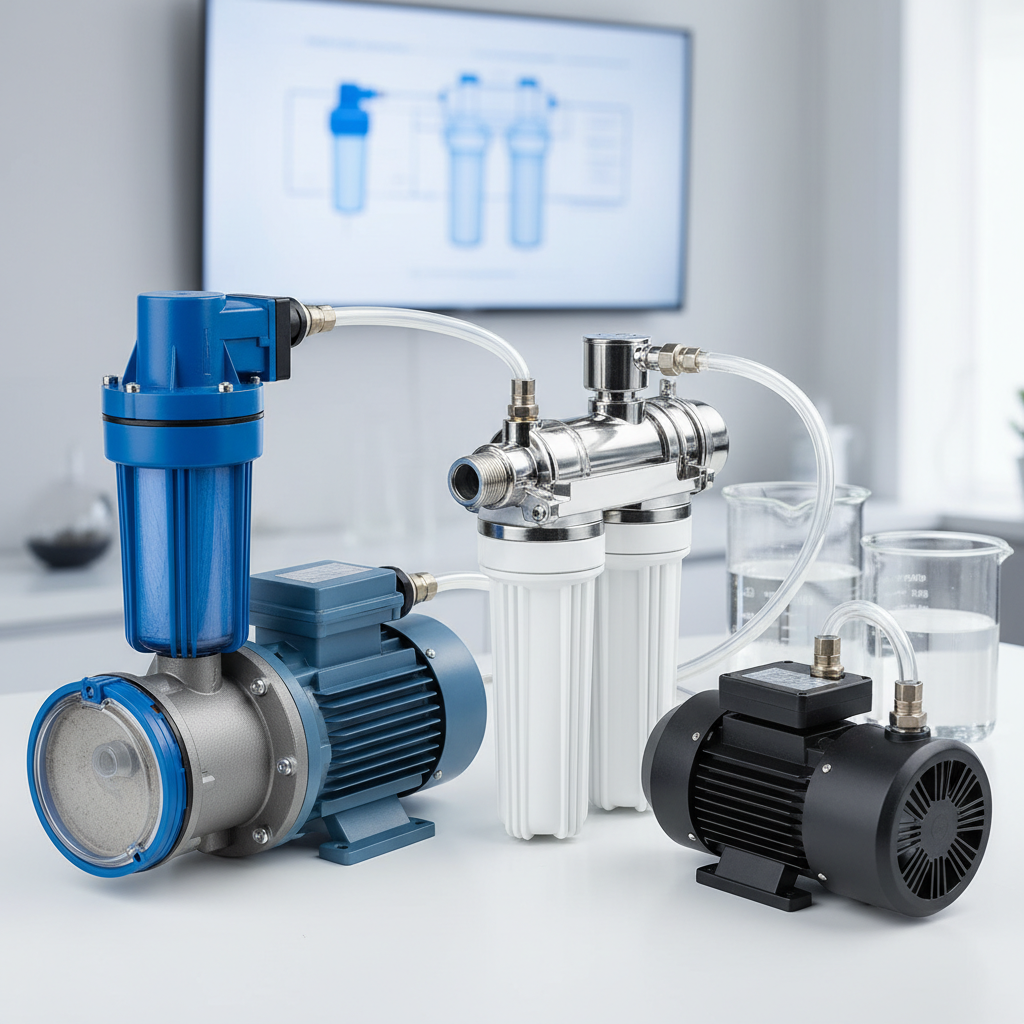
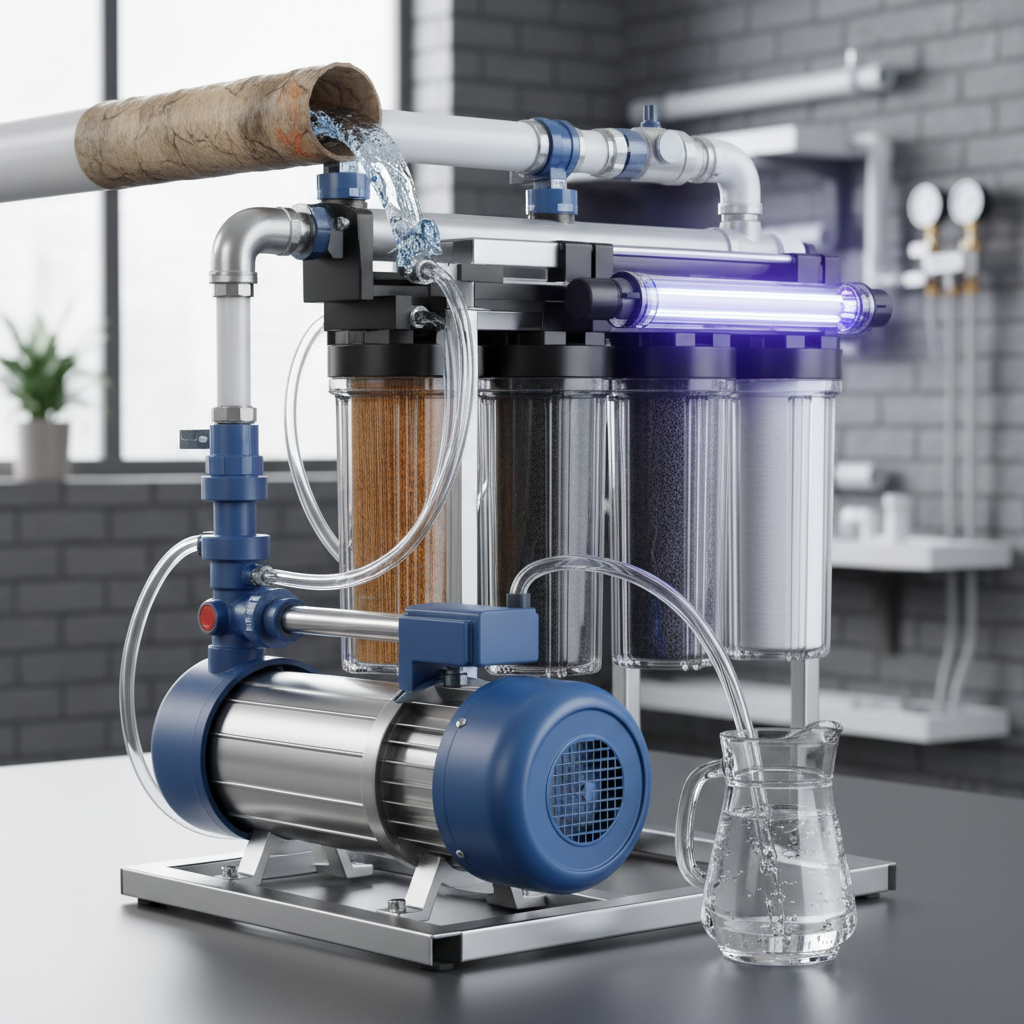
When choosing the best filtration pump for your water needs, it's crucial to first understand your specific water filtration requirements. This involves assessing the source of your water—whether it's municipal, well, or a freshwater body—and identifying potential contaminants present. For instance, if your water contains high levels of sediment or chlorine, you might require a pump designed to tackle those specific impurities. Knowing the varying types of filtration methods available, such as activated carbon, reverse osmosis, or ultraviolet treatments, can help you select a pump that effectively addresses your water quality concerns.
Additionally, consider the volume of water you typically require. A household with multiple occupants will need a filtration pump with a higher capacity compared to a single-person household. It's also essential to evaluate the flow rate and pressure capabilities of the pump, ensuring that it meets your daily consumption needs without compromising on performance. By taking the time to analyze your unique water filtration needs, you can make an informed decision that ensures you choose the best filtration pump for your specific situation.
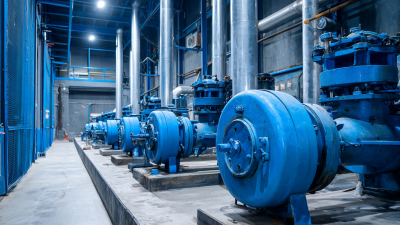
When choosing the best filtration pump for your water needs, it’s essential to consider several key features that can significantly impact performance and efficiency. First, examine the pump's filtration capacity, which determines how efficiently it can remove impurities from water. Look for models with multiple filter stages, as these tend to provide better purification by addressing a wider range of contaminants, from sediment to bacteria.
Another critical aspect is the energy consumption of the filtration pump. Energy-efficient models not only reduce operational costs but also contribute to sustainability efforts. Additionally, consider the durability and maintenance of the pump. High-quality materials and a design that allows for easy access to filter components can minimize downtime and ensure long-term reliability.
Lastly, compatibility with your existing water system is vital to ensure smooth integration and optimal performance, making sure that the filtration pump meets your specific water quality needs and local regulations.
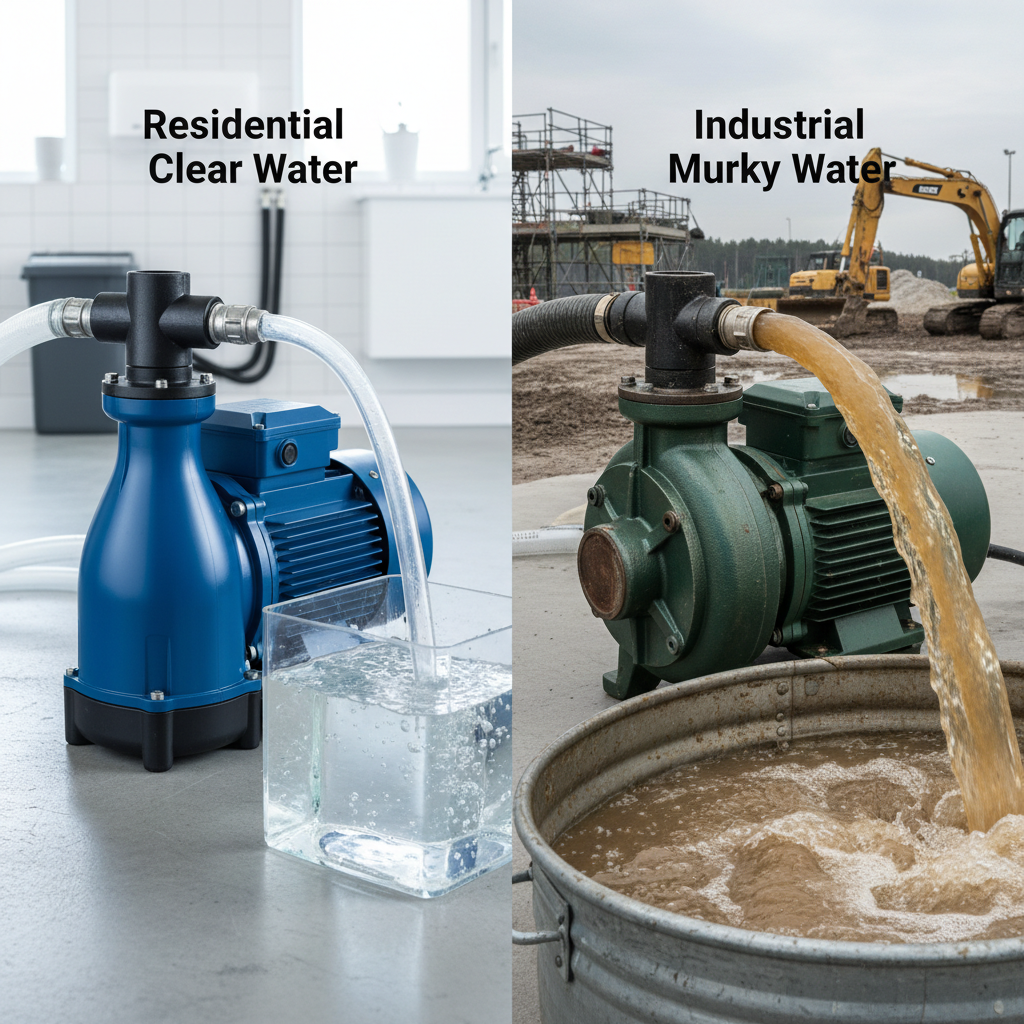
When selecting the best filtration pump, it's crucial to consider the specific water source you are dealing with, as different pumps cater to various needs. For instance, for residential use,
AquaPro Submersible Pump is highly recommended for clear water applications, featuring a robust design that ensures longevity and efficiency in draining and filtration. In contrast, if your requirements involve dealing with sediments or murky water, the
Tsurumi Heavy Duty Pump stands out due to its powerful motor and ability to handle solids, making it ideal for construction sites or flooded areas.
For garden and agricultural use, the Eco-Worthy Solar Water Pump is a fantastic option, especially in remote locations where access to power is limited. This solar-powered pump not only provides an eco-friendly solution but also offers reliable performance for irrigation purposes. Lastly, if you're looking for a portable solution, the
Wayne CDU980E is noteworthy, as it blends efficient operation with user-friendly features, making it perfect for various outdoor tasks, including ponds and fountains. By evaluating your water source and specific requirements, you can confidently select the best filtration pump for your needs.
When selecting the ideal filtration pump for your water needs, a comparative analysis of performance metrics is essential. Studies indicate that filtration pumps vary significantly in flow rate, which directly impacts water clarity and quality. For instance, a report by the Water Quality Association highlights that pumps with flow rates exceeding 1,000 gallons per hour (GPH) are generally more effective in larger systems, providing better turnover rates essential for optimal filtration. Additionally, energy efficiency is a crucial consideration; the U.S. Department of Energy notes that energy-efficient models can reduce operational costs by up to 40%, making them not only environmentally friendly but also cost-effective in the long run.
Moreover, durability and maintenance requirements should factor into your decision. A comparative study published in the Journal of Water Management found that advanced filtration pumps—equipped with stainless steel components—exhibited a lifespan increase of approximately 30% over their plastic counterparts. This translates into fewer replacements and reduced long-term expenses for users. Furthermore, ease of maintenance is critical; models that offer tool-free access for routine cleaning and repairs are gaining popularity, as highlighted in the latest industry reviews, reinforcing the idea that investing in high-performance filtration systems yields significant benefits.
Maintaining a filtration pump is crucial for ensuring its efficiency and longevity. Regularly check and clean the filter media to prevent clogs that can hinder water flow. Different types of filters require varying maintenance schedules; for example, foam filters may need rinsing every few weeks while cartridge filters should be replaced according to the manufacturer's recommendations. Keeping the impeller and pump housing free from debris is also essential, as build-up can lead to pump damage over time.
In addition to routine cleaning, it's important to monitor the pump's performance. Listen for unusual noises that could indicate mechanical problems and check the flow rate regularly. If the pump struggles to deliver water or shows signs of decreased performance, it may be time for a more thorough inspection or repair. Using a water testing kit can also help you analyze the quality of the water, ensuring that the pump is effectively filtering out impurities. Adhering to these maintenance tips will not only optimize your filtration pump's performance but also extend its operational lifespan.
Universal Pumping
625 Apache Trail
Woodstock, GA 30189
Mon - Fri | 9:00 AM - 5:00 PM
Universal Pumping is staffed with industry professionals with 20-45 years experience with high pressure pumping systems. We represent only the “elite producers” in pump manufacturing: Britain’s EMS and Germany’s EMMERICH. Our engineering and manufacturing approach is conservative, and we do not use “guess work” in the design or sales of our pumping and filtration equipment.