How to Choose the Best Tungsten Carbide Ball for Your Needs?
In the realm of industrial applications, choosing the right **Tungsten Carbide Ball** can significantly impact efficiency and durability. According to a 2022 report by Market Research Future, the global market for tungsten carbide is projected to reach USD 25.75 billion by 2028, reflecting its increasing significance in various sectors. These balls are renowned for their hardness, strength, and wear resistance, making them essential in applications such as bearings and cutting tools.
When selecting a **Tungsten Carbide Ball**, one must consider several factors, including size, grade, and intended use. It's interesting to note that while many suppliers offer standardized products, custom solutions are often overlooked. A recent study highlighted that 30% of users reported performance issues linked to improper specifications. This statistic underscores the need for careful evaluation and understanding of your specific requirements.
Moreover, the balance between cost and quality can be challenging. While cheaper options may be tempting, they often compromise on durability. A detailed examination of quality certifications and supplier reputation can offer valuable insights. Therefore, recognizing the right attributes of **Tungsten Carbide Balls** is crucial for achieving optimal operational performance.
Understanding Tungsten Carbide Ball Characteristics
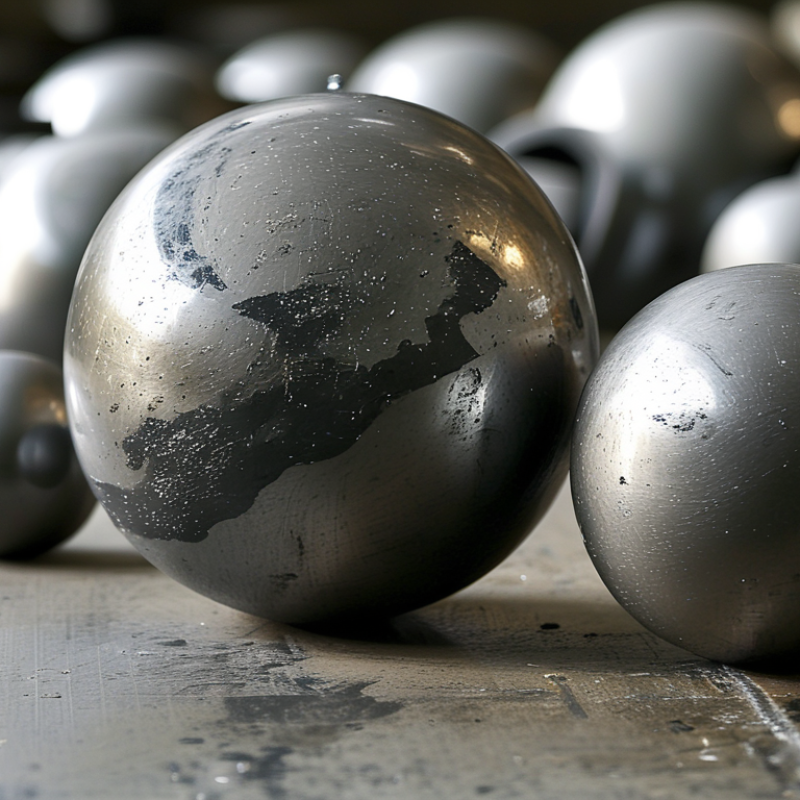
When selecting a tungsten carbide ball, understanding its characteristics is crucial. Tungsten carbide is known for its durability and hardness, making it a popular choice in various industries. According to a report by the International Journal of Materials Research, tungsten carbide can achieve hardness levels up to 1600 HV, significantly outperforming traditional materials like steel.
Different grades of tungsten carbide are available, each suitable for specific applications. Higher densities often indicate superior performance. For instance, a density of 14.5 g/cm³ may provide enhanced wear resistance for mining and drilling applications. Yet, this performance comes with trade-offs. Higher density balls may be more brittle, leading to potential failures under shock loading.
Moreover, factors like surface finish and size tolerances also impact the choice. A rough surface can lead to increased friction, affecting operational efficiency. According to industry standards, size tolerances can be as tight as ±0.002 inches for precision applications, making accurate selection essential. This incredible precision is often overlooked but can greatly affect product success in demanding environments. Understanding these nuances ensures you make a better-informed decision.
Determining the Right Size and Weight for Your Application
When selecting the appropriate tungsten carbide ball, size and weight are crucial factors. The application largely dictates these specifications. For example, smaller balls are often used in precision applications, such as bearings in machinery or tools. Reports indicate that optimal diameter often ranges from 1mm to 25mm for such uses. Meanwhile, larger balls can be more effective in high-impact situations, such as in mining operations or industrial crushers.
A few tips can help in making the right choice. First, consider the weight of the tungsten carbide ball. Heavier balls tend to maintain momentum better but can also cause more wear on machinery. Secondly, assess the intended use. A ball used in a high-speed rotation will require different specifications than one used in a static application. Additionally, tolerances for size should be evaluated. Even a small variance can affect performance.
Variations in size can lead to unexpected challenges. A friend in the industry once noted that an incorrect ball size caused significant downtime. Understanding the precise requirements for each application is vital. Conducting tests or simulations can provide insights. This careful approach helps in avoiding common pitfalls and ensures optimal performance.
Evaluating Surface Finish and Tolerance Options
When evaluating tungsten carbide balls, surface finish plays a vital role. The finish impacts wear resistance and friction properties of the balls. A smooth surface enhances durability and reduces potential failures in demanding applications. On the other hand, a rough finish may be acceptable for specific environments, or where reduced costs are essential.
Tolerance options are equally critical. Tighter tolerances result in better fit and functionality in mechanical assemblies. They ensure consistent performance, minimizing the risk of malfunction. However, tight tolerances often mean higher costs. It's essential to balance your budget against the precision required for your application. Always consider the operational environment where the balls will be employed.
Choosing the right balance between surface finish and tolerance requires careful thought. Evaluate your specific needs and consult with experts if possible. Look into common industry practices, but understand that not every recommendation fits all scenarios. Reflect on past experiences to guide your choices.
Comparing Price and Quality of Different Suppliers
When selecting a tungsten carbide ball, evaluating both price and quality is crucial. Recent market research indicates that tungsten carbide balls can vary significantly in cost, often influenced by the supplier's production methods. Roughly 30% of suppliers leverage mass production techniques, which may compromise the material’s integrity. A higher price does not guarantee superior quality; some lower-cost options may use subpar raw materials.
Several industry reports highlight that balls manufactured with precision engineering tend to maintain better durability and performance. In fact, specialized manufacturers report that their products can have a lifespan extended by up to 25% compared to cheaper alternatives. Buyers should assess the sourcing of materials and manufacturing processes carefully. Always request certifications and undergo comparative testing when possible, as these inquiries can reveal pivotal quality differences.
Understanding the trade-offs between cost and performance can be a complex journey. Price-sensitive buyers might face inflated costs for advertised "premium" options that do not outperform basic models. Conversely, cheap options could lead to rapid wear and replacements, ultimately increasing total expenses. Investing in a quality tungsten carbide ball often requires a more strategic approach to decision-making, emphasizing long-term benefits over immediate savings.
Comparative Analysis of Tungsten Carbide Ball Costs and Quality
Identifying Specific Industry Standards and Regulations
When choosing tungsten carbide balls, understanding industry standards is crucial. For example, the American National Standards Institute (ANSI) provides guidelines on hardness and dimensional tolerances essential for various applications. According to the ISO 3290:2015 standard, precision balls made from tungsten carbide must meet specific size and roundness criteria. These standards ensure consistency, which is vital for industries such as aerospace and automotive.
Tips: Always ensure that the tungsten carbide ball you choose complies with relevant certifications. Check the ball's drop test results, as they provide insight into durability. Industry reports suggest that balls meeting ASTM F15 specifications offer superior performance in high-impact applications.
Different industries impose varying requirements. For instance, food manufacturing may prioritize non-toxicity, while electronics might emphasize conductivity. Balancing these requirements with your application needs can be challenging. Research shows many users overlook factors like temperature resistance and lubrication compatibility. Addressing these can enhance performance and longevity.