Why Choose a Ceramic Mixer Machine for Your Business Needs?
When considering the right equipment for your business, the ceramic mixer machine stands out. This machine offers exceptional versatility for blending materials. Many industries benefit from its efficiency, especially in ceramics production.
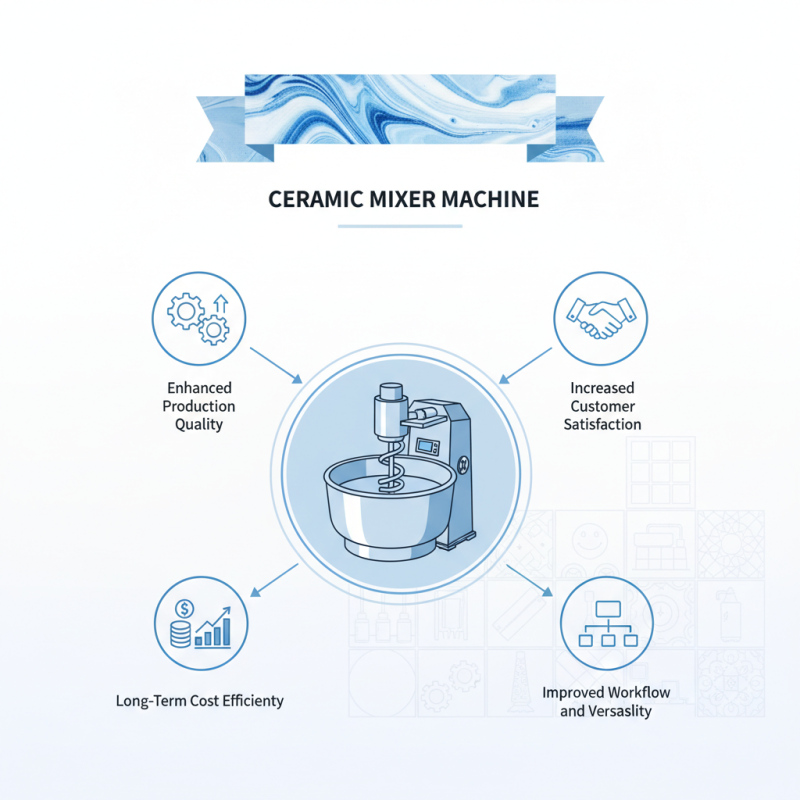
The Ceramic Mixer Machine enhances the quality of mixes. It ensures uniform consistency that is crucial for two main reasons: product performance and customer satisfaction. Choosing the right mixer influences the final output significantly. However, not every business understands the diverse applications of this machine.
Some may overlook the initial investment costs or the maintenance needs. Yet, the long-term gains usually outweigh these concerns. The right mixer may elevate production standards and improve workflow. Thus, businesses must reflect on their specific needs when selecting a mixer. In doing so, they might find that a Ceramic Mixer Machine is indeed the best choice.
Benefits of Using a Ceramic Mixer Machine in Industrial Applications
Ceramic mixer machines are gaining traction in industrial applications. Their ability to blend materials efficiently makes them a top choice for many manufacturers. Data from industry reports show that using these mixers can enhance productivity by up to 30%. They ensure uniform mixing, which reduces waste and improves final product quality.
One notable benefit is their durability. Ceramic mixers resist wear and tear better than many alternatives. They also maintain performance under high temperatures. This durability leads to lower maintenance costs over time. However, it’s important to choose the right model for specific applications. Not all ceramic mixers are designed for heavy-duty tasks.
Tip: Always assess your mixing needs before making a purchase. Overlooking this might lead to inefficiencies.
Another advantage is their eco-friendliness. Unlike metal mixers, ceramic machines often avoid harmful chemical leaching. This aligns with sustainable practices that many companies are adopting. Nonetheless, ceramic mixer machines can be heavier than traditional options. This added weight could complicate installation and transport.
Tip: Consider conducting a trial run to identify potential challenges. Understanding the machine's limitations is crucial for seamless integration into existing workflows.
Key Features to Look for in a Ceramic Mixer Machine
When selecting a ceramic mixer machine, there are key features to consider that directly impact your production efficiency. One vital feature is the mixing capacity. An ideal ceramic mixer should efficiently handle larger batches, with many machines accommodating anywhere from 100 to 500 liters. This allows businesses to meet higher demand without compromising quality.
Another important feature is the machine's mixing mechanism. A good ceramic mixer often employs a dual-shaft design. This design ensures uniform mixing, which is critical, as inconsistent mixtures can lead to defects. According to industry reports, about 30% of production defects are due to poor mixing. A reliable mixer can minimize this risk.
Additionally, look for machines with adjustable speed settings. The ability to fine-tune mixing speeds can enhance the quality of the end product. Statistics show that 40% of users reported improved results after adjusting mixing parameters. However, while these features are essential, some operators overlook maintenance needs. Neglect may lead to reduced performance over time. Regular servicing should not be underestimated.
Why Choose a Ceramic Mixer Machine for Your Business Needs? - Key Features to Look for in a Ceramic Mixer Machine
| Feature | Description | Benefits |
| Durability | Built with high-quality materials designed to withstand heavy usage. | Reduced maintenance costs due to less wear and tear. |
| Mixing Efficiency | Engineered for consistent mixing performance. | Enhances product quality and reduces processing time. |
| Ease of Use | User-friendly controls and design. | Minimizes operator training time and improves productivity. |
| Versatility | Can handle a variety of materials and batch sizes. | Increased flexibility to meet diverse production needs. |
| Energy Efficiency | Designed to consume less energy during operation. | Lower operational costs and reduced environmental impact. |
How a Ceramic Mixer Machine Enhances Product Quality and Consistency
A ceramic mixer machine significantly improves product quality. This machine ensures uniform blending of materials. Consistent mixing results in a better final product. An even distribution of ingredients maintains quality across batches. This is crucial, especially in high-demand industries.
When using a ceramic mixer machine, you can expect fewer inconsistencies. However, machinery may not always perform perfectly. Periodic maintenance might be necessary to keep the mixer working smoothly. Failure to do so could lead to uneven mixes, impacting the final output. It’s essential to monitor its performance regularly.
The versatility of a ceramic mixer machine is notable. It can handle various materials, catering to diverse business needs. But remember, not every situation is ideal for this machine. Understanding its limitations could save time and resources. Reflecting on these factors can enhance operational efficiency and product quality.
Cost-Effectiveness of Ceramic Mixer Machines for Businesses
Choosing a ceramic mixer machine for your business can be a smart financial decision. These machines often provide cost-effectiveness compared to traditional mixers. Their durability ensures lower long-term maintenance costs. Additionally, they consume less energy, which translates to lower utility bills.
Tip: When selecting a mixer, consider the volume of materials you'll be mixing. A machine that matches your needs will avoid unnecessary expenses and inefficiencies.
Ceramic mixers also have a longer lifespan. They resist corrosion and wear better than some metal mixers. While the initial investment might be higher, the return on investment is often greater. However, some businesses overlook the importance of proper maintenance. Neglecting this can cut the machine's lifespan significantly.
Tip: Regularly check for wear and replace parts as needed. This proactive approach saves money in the long run.
Investing in a ceramic mixer can enhance the quality of your mixes. Uniformity in blending leads to better products. But, not all ceramic mixers are created equal. It's crucial to evaluate the specifications. Ensure that the machine will meet your specific production requirements.
Comparative Analysis: Ceramic Mixers vs. Other Mixer Types
Ceramic mixer machines have distinct advantages over other mixer types. These machines excel in processing materials with high viscosity. They can handle thick pastes and ensure uniform consistency, which is crucial for many applications. In contrast, traditional mixers often struggle with such tasks. Their design may not allow for thorough mixing of dense materials.
Ceramic mixers feature durable and non-reactive surfaces. This is essential when working with sensitive substances. Other mixers, like metal ones, can react with certain materials, altering their properties. The smooth surfaces of ceramic mixers also make them easier to clean. However, users should consider the initial cost. Ceramic machines can be more expensive than their counterparts.
Over time, their durability can justify the investment, but the upfront expense may raise concerns.
In terms of maintenance, ceramic mixers generally require less frequent upkeep. They resist wear and tear better than some plastic or metal mixers. However, they can be fragile. Users need to handle them with care. Small chips can affect performance. Thus, while ceramic mixers shine in several areas, they also come with their own challenges that need addressing.