Why Choose a Diaphragm Press for Your Production Needs?

In the competitive landscape of manufacturing, choosing the right equipment is crucial. Experts like Dr. Emily Sharp, a leading authority in industrial machinery, emphasize the importance of this decision. She stated, "A diaphragm press can significantly enhance production efficiency when used correctly."

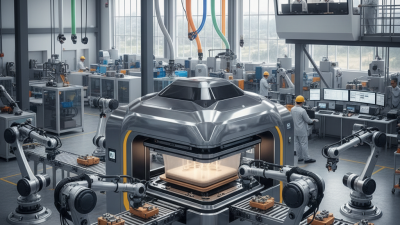
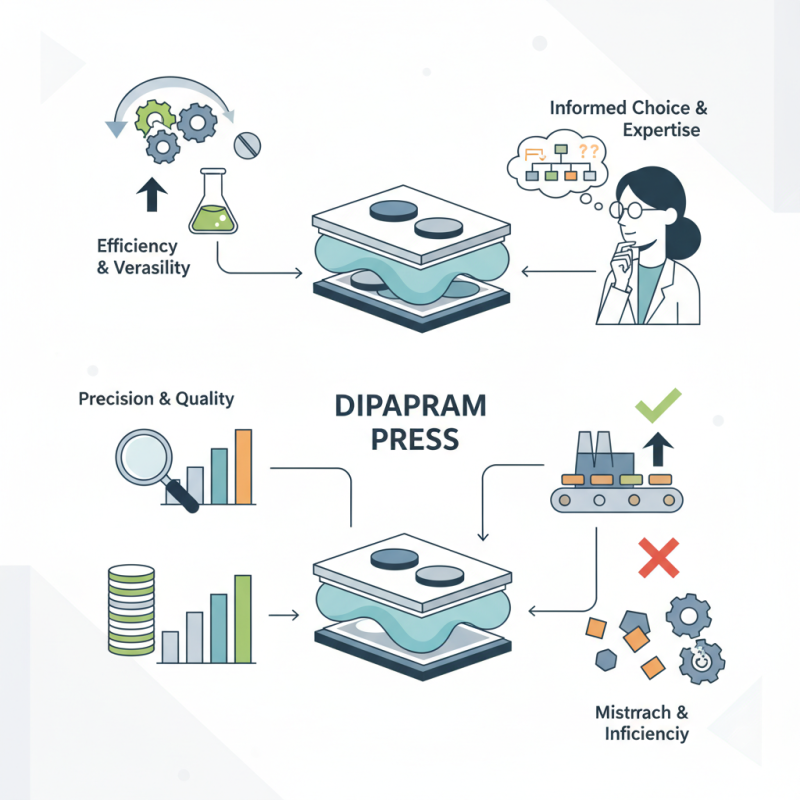
Diaphragm presses are known for their versatility and effectiveness. They excel in tasks that require precision and flexibility. For industries such as food processing and pharmaceuticals, these presses offer unique advantages. Their ability to maintain consistent pressure ensures high-quality results. However, selecting a diaphragm press isn’t without challenges. Operators must understand the specific requirements of their production processes.

Several factors come into play when evaluating diaphragm presses. Not all models are suitable for every application. Some machines may lack the necessary features or adaptability. Therefore, it's essential to assess individual needs carefully. A diaphragm press can be a game-changer, but a mismatch might lead to inefficiencies. Making informed choices based on expertise and reliable data is key to maximizing production potential.
Why Choose a Diaphragm Press for Your Production Needs?

Benefits of Using a Diaphragm Press in Manufacturing Processes

A diaphragm press is becoming a popular choice in manufacturing due to its unique advantages. One key benefit is the consistent pressure application. This ensures a uniform product every time, which is crucial for quality control. In industries like ceramics and plastics, precision is vital. A diaphragm press provides that, boosting reliability in production.

Another advantage is its energy efficiency. These presses utilize a compressed diaphragm to generate force, minimizing energy loss. This aspect can lead to lower operating costs. Manufacturers are increasingly looking for ways to reduce expenses. A diaphragm press addresses this need by optimizing power use while maintaining performance.

While there are many positives, some manufacturers may struggle with the initial setup. Training staff to operate these presses can also pose challenges. Choosing a diaphragm press requires careful consideration of these factors. Despite potential hurdles, the long-term benefits often outweigh these initial difficulties. The decision should align with specific production goals and requirements.
Key Features that Make Diaphragm Presses Stand Out

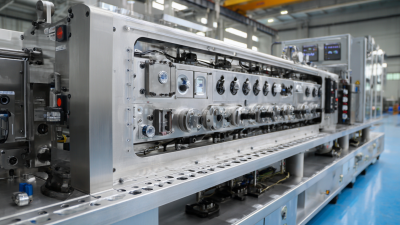
When considering production needs, a diaphragm press stands out for several compelling reasons. Its unique construction allows for efficient pressure application, producing consistent results. This is particularly valuable in industries that require precision, such as aerospace and automotive manufacturing. The ability to control pressure levels helps achieve desired outcomes with minimal defects.

A diaphragm press is also known for its versatility. It can handle different materials, including soft composites and rigid metals. This adaptability makes it a perfect choice for various production lines. Furthermore, the compact design of diaphragm presses saves floor space while maximizing output.

Tips: Always evaluate your specific production requirements before investing. Understand the material characteristics your press will handle. Regular maintenance is crucial to prolong the life of your equipment. Misalignment can lead to quality issues, so periodic checks are essential. Ensure your team is trained properly to minimize operational errors. Investing time in training can yield better production efficiency.

Comparative Analysis: Diaphragm Press vs. Traditional Presses

When considering production efficiency, diaphragm presses and traditional presses offer distinct advantages and drawbacks. Diaphragm presses utilize a flexible membrane for material shaping. This design allows for more uniform pressure distribution, which can lead to higher-quality outputs.

Traditional presses, while established, often rely on rigid metal pieces. They may produce uneven pressure, affecting the final product's integrity. Additionally, traditional presses may generate more waste. In contrast, diaphragm presses can reduce material waste due to their efficient molding capabilities. Users report longer lifespans for diaphragm parts due to lesser wear and tear.

**Tips:** Always assess the specific requirements of your production. Factors like material type and batch size influence the best choice of press. Testing both types in small runs can provide valuable insights. Ensure your team is trained on the unique features of each press type. Regular maintenance is crucial for maximizing operational efficiency.

Comparative Analysis of Diaphragm Press vs. Traditional Presses

Applications of Diaphragm Presses in Various Industries

Why Choose a Diaphragm Press for Your Production Needs?

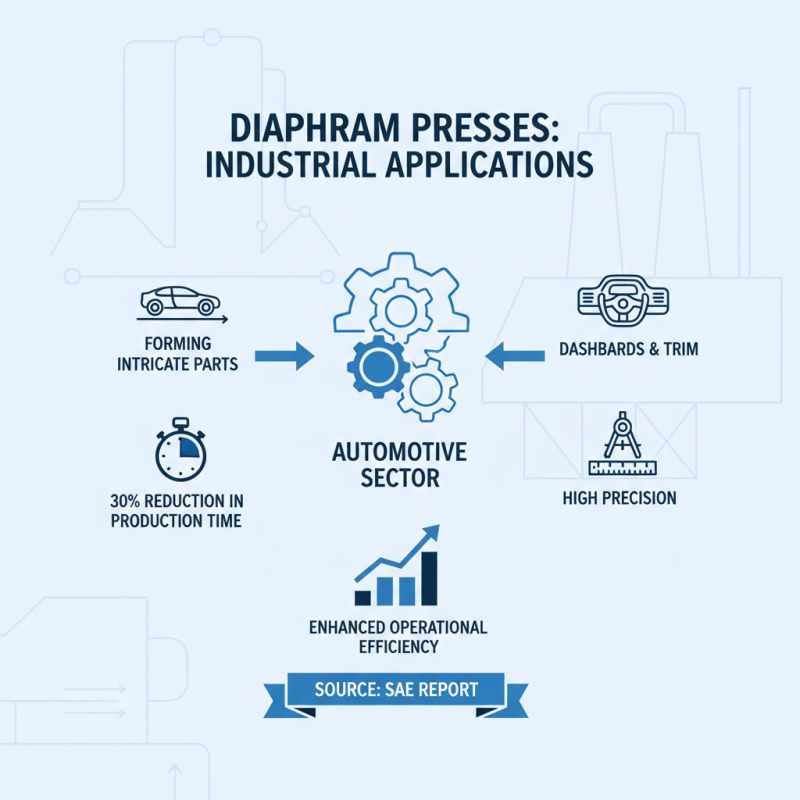
Diaphragm presses are pivotal across several industries, offering unique advantages in material processing. The automotive sector, for example, utilizes these machines for forming intricate parts. A report from the Society of Automotive Engineers revealed that diaphragm presses can reduce production time by 30%, enhancing operational efficiency. Moreover, they maintain high precision, crucial for creating components like dashboards and trim pieces.

In the aerospace industry, diaphragm presses play a vital role in manufacturing lightweight yet sturdy materials. According to a recent study by the Aerospace Industries Association, this technology contributes to a 25% reduction in weight for various parts. This weight reduction is essential for improving fuel efficiency and overall aircraft performance. Additionally, diaphragm presses excel in applications that require a consistent pressure distribution, which is critical for safety compliance in aerospace engineering.

However, using diaphragm presses has its challenges. While they can facilitate high production rates, the initial setup can be complex. Manufacturers may find that tuning these machines requires adjustments and expertise. Understanding these limitations is vital for optimizing their use in production environments. Continuous training and adaptation are necessary to efficiently leverage diaphragm press technologies.

Cost Considerations and Return on Investment for Diaphragm Presses

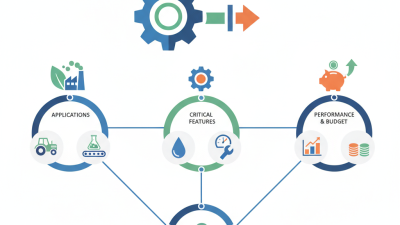
Selecting a diaphragm press for production can be a pivotal decision. Cost considerations are paramount. Diaphragm presses often come with a higher initial investment compared to other types. However, the efficiency and quality they offer can significantly enhance profitability over time.

Tips: Always analyze your specific production needs. Consider the type of materials you'll use. Explore various operational capacities. Understanding these elements can help justify your investment.

While the purchase price might be steep, the reduction in waste and enhanced precision lead to significant savings. When products meet quality standards, customer satisfaction improves. This boosts sales and builds brand loyalty.

Tips: Keep track of your production metrics. Monitor how improvements reduce costs. Regular analysis will help you see if your diaphragm press meets your ROI expectations.

Investing in a diaphragm press requires careful thinking. It’s essential to weigh upfront costs against long-term gains. Choosing the right one can make a noticeable difference in your production line. Consider your options wisely.

Why Choose a Diaphragm Press for Your Production Needs? - Cost Considerations and Return on Investment for Diaphragm Presses

Feature Diaphragm Press Traditional Press
Initial Cost $50,000 $40,000
Maintenance Cost (Annual) $2,500 $4,000
Energy Consumption (kWh/week) 300 500
Output (Units/Hour) 200 150
Return on Investment (Years) 3 5

Company Info

Universal Pumping

625 Apache Trail
Woodstock, GA 30189

Mon - Fri | 9:00 AM - 5:00 PM

Connect With Us

About Universal Pumping

Universal Pumping is staffed with industry professionals with 20-45 years experience with high pressure pumping systems. We represent only the “elite producers” in pump manufacturing: Britain’s EMS and Germany’s EMMERICH. Our engineering and manufacturing approach is conservative, and we do not use “guess work” in the design or sales of our pumping and filtration equipment.