
Universal Pumping | High Pressure Pumps
High Pressure Pumps for Difficult to Pump Slurry, Sludge, and Food Waste.
Choosing the right Flange Type for your project can significantly impact its success. Flanges serve various functions in piping systems. They connect different components securely. However, not all flange types are suitable for every application, leading to frustration and inefficiencies.
Consider the materials and the pressure requirements of your project. Each flange type has unique characteristics that affect performance. A misstep in selection may result in leaks or system failures. Some projects may warrant a bolted flange, while others might benefit from a weld neck flange. This choice could make or break the integrity of your pipe system.
Understanding the specific needs of your project is crucial. It goes beyond mere compatibility; it's about ensuring reliability and safety. Evaluating your options and consulting experts can enhance your decision-making. Be wary of shortcuts and assumptions. Failing to recognize the importance of the right flange type can cost you time and resources.
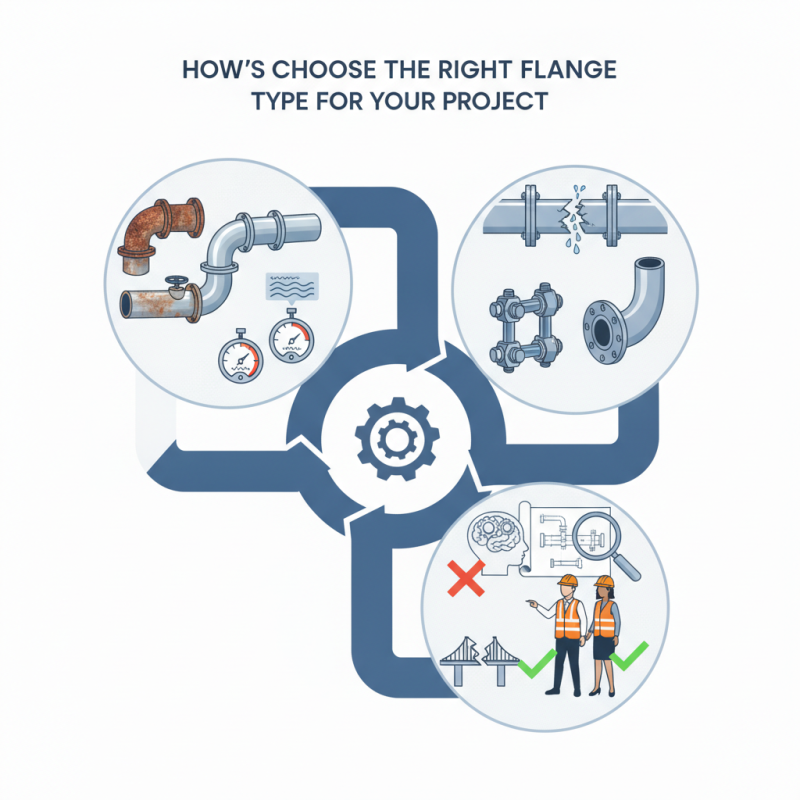
When selecting a flange type, it's crucial to understand their specific applications and materials. Flanges come in various shapes and sizes, such as weld neck, slip-on, and blind. According to a report by the American Society of Mechanical Engineers (ASME), these choices can significantly influence performance. For example, weld neck flanges handle high-pressure systems better, making them essential in industries like oil and gas.
Material selection is also important. Carbon steel flanges are common in general applications, while stainless steel flanges excel in corrosive environments. A recent study by the International Association of Plumbing and Mechanical Officials (IAPMO) highlights that choosing incorrectly can lead to leaks and costly repairs, which must be addressed.
Furthermore, it’s vital to consider the pressure ratings of flanges. A mismatch between the flange rating and system requirements can cause severe failures. This could result from not fully understanding the project needs or estimating pressure conditions inadequately. Regular audits on flange performance can prevent catastrophic outcomes, reflecting the necessity of expertise in making these selections.
When selecting flanges for your project, several key factors come into play. The first consideration is material compatibility. Flanges must match the material of the pipes in use. For example, stainless steel flanges work well with corrosive environments, while carbon steel is suitable for standard applications. Assess how the flange will perform under temperature and pressure. Every material behaves differently in extreme conditions.
Another critical factor is the flange type. There are various types, such as weld neck, slip-on, and blind. Each type has its own benefits. Weld neck flanges provide strong joints, while slip-on flanges are easier to install. Understanding your system's needs will guide you in choosing the right type.
Tip: Always consider future expansion. Will your project undergo modifications? Leave room for adjustments to avoid costly redesigns later.
Tip: Consult engineering guidelines. They offer insights into which flange types are best for your application. Relying on these resources enhances your decision-making process.
Choosing the right flange isn't always straightforward. Don't rush the selection. Mistakes can lead to leaks or failures, which may compromise your entire project. Always reflect on your choices and seek expert opinions if needed.
When selecting a flange type for a project, material compatibility plays a critical role in performance. Different environments can drastically affect how materials react under stress. According to a 2021 industry report, nearly 30% of flange failures occur due to corrosive environments. This suggests that choosing the right material is essential not just for performance but also for longevity.
For instance, stainless steel flanges often excel in corrosive settings. They resist rust and degradation effectively, yet they can be more expensive than alternatives. On the other hand, carbon steel flanges are less resistant to corrosion, making them suitable for non-corrosive environments. However, they may fail prematurely when exposed to moisture, as highlighted in a 2020 corrosion survey. This data stresses the importance of evaluating the distinct environmental pressures that flanges will face.
Temperature is another factor that affects flange performance. High temperatures can weaken materials and lead to failure. A study suggested that over 40% of high-temperature flange failures are linked to improper material selection. Engineers need to assess both material limits and environmental conditions carefully. Striking the right balance is often challenging. It requires not just expertise but also a willingness to adapt strategies as new data emerges. Understanding material limitations can prevent costly mistakes in the long run.
When it comes to flange assembly, installation methods vary based on the type of flange used. Understanding these methods can significantly affect the project's success. Proper alignment is crucial to ensure a tight seal. Misalignment can lead to leaks and failures.
Proper torque specifications are also essential. Using the right tools to achieve the required torque limits ensures the integrity of the joint. Over-tightening can cause flange warping, while under-tightening risks leaks. A torque wrench can help achieve accuracy.
Tips: Always double-check alignment before tightening. This step saves time and materials. Regularly inspect the flanges during installation for any signs of damage. Choose gaskets that match your flange type for optimal performance. Be aware of the environment where the flanges will operate; corrosive conditions may require special materials.
When selecting flanges, cost is a crucial factor. Your budget directly influences the type of flange you can afford. Different materials, such as stainless steel and carbon steel, have varying price points. Flanges for high-pressure applications often cost more due to increased manufacturing standards. If you're on a tight budget, consider a standard design instead of customized options. Custom flanges can significantly increase costs and lead times.
It’s also important to factor in long-term expenses. Cheaper materials may save money initially but can lead to higher maintenance costs. Look at the lifecycle of the flange. What is the expected lifespan? Will it withstand operational conditions? The right flange can be an investment, potentially reducing downtime and repair costs.
Lastly, consult with professionals if you're unsure. Their expertise can help you avoid costly mistakes. Balancing quality and cost is essential. Be prepared to reassess your choices. Sometimes, you might find that the cheapest option is not the most economical in the long run. Flange selection requires a careful approach to ensure reliability and efficiency within your budget.
| Flange Type | Material | Pressure Rating | Cost per Unit ($) | Common Applications |
|---|---|---|---|---|
| Weld Neck Flange | Carbon Steel | 150 - 2500 PSI | $30 - $150 | Pipelines, Pressure Vessels |
| Slip-On Flange | Stainless Steel | 150 - 3000 PSI | $20 - $100 | General Piping, Low Pressure |
| Blind Flange | Alloy Steel | 150 - 600 PSI | $25 - $120 | End of Pipeline, Maintenance |
| Threaded Flange | Mild Steel | 150 - 300 PSI | $15 - $60 | Low Pressure Applications |
| Socket Weld Flange | Copper Nickel | 150 - 6000 PSI | $40 - $200 | High Pressure Systems |
Universal Pumping
625 Apache Trail
Woodstock, GA 30189
Mon - Fri | 9:00 AM - 5:00 PM
Universal Pumping is staffed with industry professionals with 20-45 years experience with high pressure pumping systems. We represent only the “elite producers” in pump manufacturing: Britain’s EMS and Germany’s EMMERICH. Our engineering and manufacturing approach is conservative, and we do not use “guess work” in the design or sales of our pumping and filtration equipment.


