How to Choose the Right Sludge Pumps for Your Needs?
Choosing the right sludge pumps is crucial for various industries, including wastewater treatment, chemicals, and mining. According to the Global Sludge Pump Market report, the demand for efficient sludge pumps is increasing, projected to reach $1.25 billion by 2025. This growth highlights a rising need for reliable and expert recommendations in selecting the right pumps.
When selecting sludge pumps, understanding specific needs is essential. Factors such as pump type, size, and material play a significant role in performance. Industry reports indicate that improper choices can lead to reduced efficiency and added costs. Many facilities struggle with pump failures due to inadequate research.
Variation in sludge characteristics, like viscosity and solid content, also impacts selection. Operators must assess these factors closely. Using the wrong pump can result in downtime, increased maintenance, and financial losses. Expertise in this area is not just helpful but necessary for optimizing operations. Choosing the right sludge pumps requires diligence and informed decision-making.
Types of Sludge Pumps and Their Applications
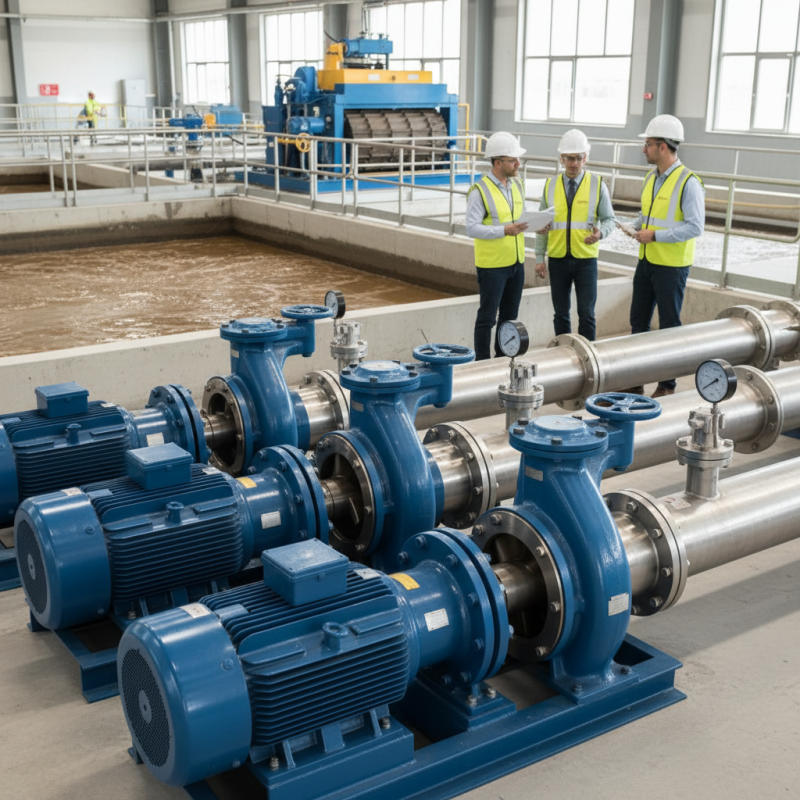
When it comes to sludge pumps, understanding the different types and their specific applications can significantly improve efficiency. Submersible, centrifugal, and diaphragm pumps are the primary types commonly used in various industries. Each type has unique advantages, suited for diverse sludge handling requirements. For instance, submersible pumps are ideal for wastewater treatment because they can operate underwater, effectively managing both solid and liquid waste.
According to the latest industry reports, the global sludge pump market is projected to reach $5 billion by 2025, reflecting a growing need for efficient waste management solutions. Centrifugal pumps, known for their robust construction, excel in transporting lower viscosity sludge. They perform well in municipal wastewater treatment plants. However, they can struggle with more viscous sludge due to the design.
Diaphragm pumps, on the other hand, handle thick and viscous materials effectively. Their ability to work with abrasive sludge makes them suitable for industrial applications. Yet, they may require more maintenance than others, particularly in abrasive conditions. It's essential to evaluate the specific needs of your operation to choose the right type of sludge pump. Always consider the nature of the sludge you will encounter to ensure optimal performance and longevity of your equipment.
How to Choose the Right Sludge Pumps for Your Needs? - Types of Sludge Pumps and Their Applications
| Pump Type |
Application |
Advantages |
Disadvantages |
| Submersible Sludge Pump |
Wastewater treatment, sump pumping |
Compact design, capable of handling large solids |
Requires submersion in liquid, limited to a certain depth |
| Centrifugal Sludge Pump |
Industrial slurry transport, processing industries |
High efficiency, can handle various viscosities |
Less effective with highly viscous sludge |
| Diaphragm Sludge Pump |
Chemical processing, sewage handling |
Handles abrasive and corrosive materials well |
Lower flow rates compared to other types |
| Progressive Cavity Pump |
Biogas production, food processing |
Consistent flow, good for high-viscosity sludge |
Higher initial cost, requires regular maintenance |
Key Factors to Consider When Selecting Sludge Pumps
Selecting the right sludge pump is crucial for effective wastewater management. One key factor is the type of sludge you'll be handling. Different sludge types have varying particle sizes and viscosities. Understanding these characteristics ensures optimal pump performance. For instance, thick, viscous sludge requires robust pumps with high suction power. Conversely, thin sludge may need less powerful pumps.
Another important consideration is the material used in pump construction. If you're dealing with corrosive substances, invest in pumps made of corrosion-resistant materials. This prevents premature wear and ensures longevity. Additionally, pump size and capacity matter. Choose a pump that can handle the volume of sludge efficiently, avoiding overworking the system.
Cost is inevitably a factor, but it should not be the only criterion. Sometimes, cheaper options can lead to ongoing maintenance costs. Emphasizing reliability might save money in the long run. Consider evaluating user reviews and consulting experts for insights. Finally, don't overlook energy consumption. An energy-efficient pump can significantly reduce operational costs over time.
Comparing Performance Metrics of Sludge Pumps
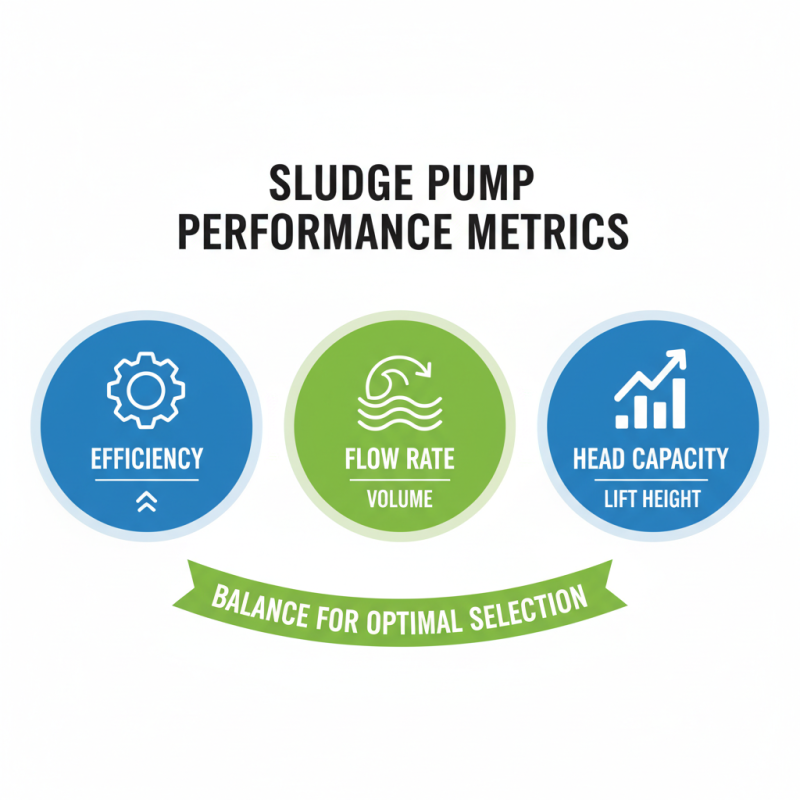
When selecting sludge pumps, performance metrics are crucial. Efficiency is a key factor. A pump with higher flow rates can quickly handle large volumes of sludge. However, flow rate alone doesn’t determine effectiveness. You must also consider the pump's head capability. This refers to the height the pump can lift the sludge. A lower head may lead to inadequate performance in some applications.
Durability matters as well. Sludge can be abrasive and corrosive over time. Therefore, evaluating materials used in the pump's construction is essential. Not all pumps are built to withstand harsh conditions. Look for options that meet your specific environmental challenges. Each application may require different specifications in terms of viscosity and particle size.
Another aspect worth noting is maintenance. Some pumps require frequent upkeep, while others are more robust. Regular maintenance can prolong a pump's lifespan, but it can also add to operational costs. Reflect on your budget and the resources available for maintenance. Finding the right balance between performance and cost-effectiveness is often a challenge. Keep these factors in mind to make an informed choice.
Maintenance and Durability Considerations for Sludge Pumps
When selecting sludge pumps, consider maintenance and durability aspects. According to industry reports, about 30% of pump failures occur due to poor maintenance. Frequent inspections are crucial. Look for pumps that are easy to maintain. This reduces downtime and repair costs.
Materials matter. Pumps made of corrosion-resistant alloys can last longer in harsh environments. The average lifespan of a sludge pump is about 10-15 years, but this can be extended with proper care. Implement a regular maintenance schedule to monitor wear and tear.
Tips: Always check seals and gaskets. Replace them if they show signs of degradation. Use lubricants as recommended by the manufacturer. Remember, even the best pumps require attention. Durability often reflects the quality of materials used in the pump design.
Evaluate pump performance metrics like efficiency and flow rates. Metrics can indicate how your pump will perform under specific conditions. Keep in mind that operational environments influence durability too. Always question whether the chosen pump really meets your needs.
Sludge Pump Durability and Maintenance Considerations
Cost Analysis and Budgeting for Sludge Pump Purchase
When considering a sludge pump purchase, cost analysis is essential. Start by assessing your budget. Identify initial costs alongside long-term maintenance. This step can avoid unexpected expenses later. Some pumps require frequent repairs, increasing overall expenses. Understand your operational needs to align spending with pump efficiency.
Next, also consider energy costs associated with different pump types. A more energy-efficient model may have a higher upfront cost but lower operating expenses. Compare the total cost of ownership for various options. Don't forget to factor in installation costs as well. Adding these to your budget can help you make informed decisions.
Finally, research financing options. Sometimes, leasing may be more suitable than buying. Ensure you analyze all available choices. Take time to evaluate the return on investment from each option. This reflection can guide better financial decisions, making your purchase more cost-effective in the long run.
Finding the right sludge pump requires careful consideration. Balancing cost with functionality is crucial to success.