How to Choose the Best Filter Press Feed Pump for Your Needs?

Choosing the right filter press feed pump is crucial for optimal performance in various applications. With many options available, it's easy to feel overwhelmed. A poorly selected pump can lead to inefficiencies and costly downtime. Understanding your specific requirements is essential.

Consider factors like flow rate, pressure, and compatibility with your sludge type. The right filter press feed pump ensures smooth operation and enhances the filter press's efficiency. However, the process isn’t always straightforward. It's vital to consult with industry experts and assess your needs critically.

Reliability and durability are key attributes of a high-quality pump. Investing time in research can save you from future headaches. Additionally, always be prepared to revisit your choice. Markets evolve, and so do technologies. A pump that works today may not meet future demands.
How to Choose the Best Filter Press Feed Pump for Your Needs?

Understanding the Importance of Filter Press Feed Pumps

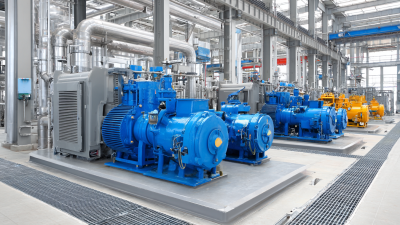
Filter press feed pumps play a critical role in various industrial processes. They ensure that materials are delivered consistently and efficiently to the filter press. This is essential for achieving optimal filtration results. Without a reliable feed pump, the entire filtration process can be compromised, leading to increased downtime and operational issues.

When selecting a filter press feed pump, it's important to consider several factors. The pump must handle the specific characteristics of your slurry or liquid. Viscosity, particle size, and temperature can all affect pump performance. Additionally, you need to evaluate the flow rate and pressure requirements. An inadequate pump may slow down the process or cause blockages. It’s crucial to find a pump that balances efficiency and durability.

It’s worth noting that not all pumps will perform flawlessly. Some may struggle under certain conditions. Regular maintenance and monitoring are necessary to identify potential issues before they escalate. Operators often find that a proactive approach can lead to better performance and reduced operational costs. Finally, while initial specifications are essential, real-world performance can differ significantly. Users should reflect on their experiences to select the best pump for their unique needs.

How to Choose the Best Filter Press Feed Pump for Your Needs?

Parameter Description Example Value
Flow Rate The amount of fluid the pump can move per unit of time. 100-500 GPM
Pressure Rating The maximum pressure the pump can handle. 150-300 PSI
Material The construction material of the pump affecting durability and compatibility. Stainless Steel or Cast Iron
Power Source Type of energy used to operate the pump. Electric or Diesel
Application Specific industry use or type of fluid being pumped. Wastewater Treatment or Mining

Key Factors to Consider When Selecting a Feed Pump

How to Choose the Best Filter Press Feed Pump for Your Needs?

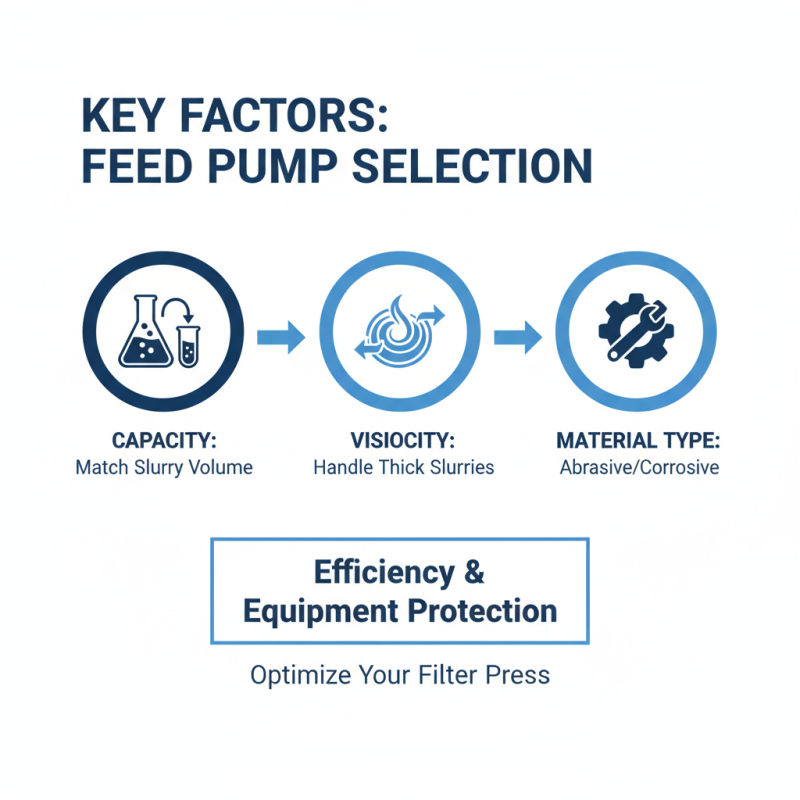
Choosing the right filter press feed pump requires careful consideration of several factors. The pump's capacity is crucial. It must match the volume of slurry you need to process. A pump with insufficient capacity may lead to inefficiencies or equipment damage. Also, consider the viscosity of the material. Thicker slurries need pumps designed to handle high viscosity levels.

Another key factor is the pump’s material of construction. The material should be compatible with the media being pumped. Corrosive substances can quickly damage pumps made from the wrong materials. Pay attention to the pump's energy efficiency as well. Higher efficiency can lead to significant cost savings.

You might also think about the pump's maintenance needs. Some pumps require regular servicing, which adds to operational costs. A simpler design may be easier to maintain. However, simpler designs may not handle more complex applications effectively. Balancing performance and maintenance can be tricky. Always assess the trade-offs based on your specific operations.

Types of Feed Pumps and Their Applications in Filter Press Systems

When choosing a feed pump for filter press systems, understanding pump types is crucial. There are primarily two types of feed pumps: positive displacement pumps and centrifugal pumps. Positive displacement pumps deliver a consistent flow rate. They are ideal for thick slurries. Centrifugal pumps, on the other hand, are suitable for thinner materials. Their efficiency decreases with increased viscosity.

Consider the application when selecting a pump. Positive displacement pumps excel in high-pressure situations. They handle varying feed conditions well. Centrifugal pumps are versatile for many applications, but they require a constant flow. Evaluate the specific needs of your filter press system. Assess the nature of the sludge and its flow properties carefully.

**Tips**: Always account for the pump's power requirements and maintenance needs. Check the compatibility with the slurry type. This helps avoid operational issues. Regularly monitor performance to ensure efficiency. If required, consult a professional for optimal selection. This choice can significantly impact filtration efficiency.

Comparative Analysis of Feed Pump Types for Filter Press Systems

This bar chart illustrates the flow rates of different types of feed pumps commonly used in filter press systems. Positive displacement pumps lead with the highest flow rate, making them suitable for applications requiring steady delivery. Centrifugal pumps follow, also offering high flow but varying with system pressure. Diaphragm and peristaltic pumps are suitable for lower flow rates, often used in specific applications needing gentle handling of the fluid.

Assessing Pump Performance and Specifications for Your Operations

Selecting the right filter press feed pump is critical for operational efficiency. Evaluating pump performance requires a close look at specifications such as flow rate and pressure. A recent industry report indicates that optimal pumps should have a flow rate of at least 50 GPM for standard applications. Higher efficiency pumps reduce energy consumption, which can help lower overall operating costs.

Pressure ratings are also essential. Many processes require pumps that can handle pressures exceeding 100 PSI. However, some users find that they often overestimate their required pressure, leading to higher costs. It's vital to analyze specific process needs rather than relying solely on standard metrics. Not every application needs high pressure; understanding the unique characteristics of your operations is essential.

Material compatibility is another factor to assess. Pump materials must resist corrosion and wear. This aspect is often overlooked. Pumps subjected to harsh chemicals may wear out faster than expected. Using the wrong materials can lead to operational failures, which directly impact productivity. Being aware of the risks can improve long-term reliability and performance.

Cost Considerations and Budgeting for a Filter Press Feed Pump

How to Choose the Best Filter Press Feed Pump for Your Needs?

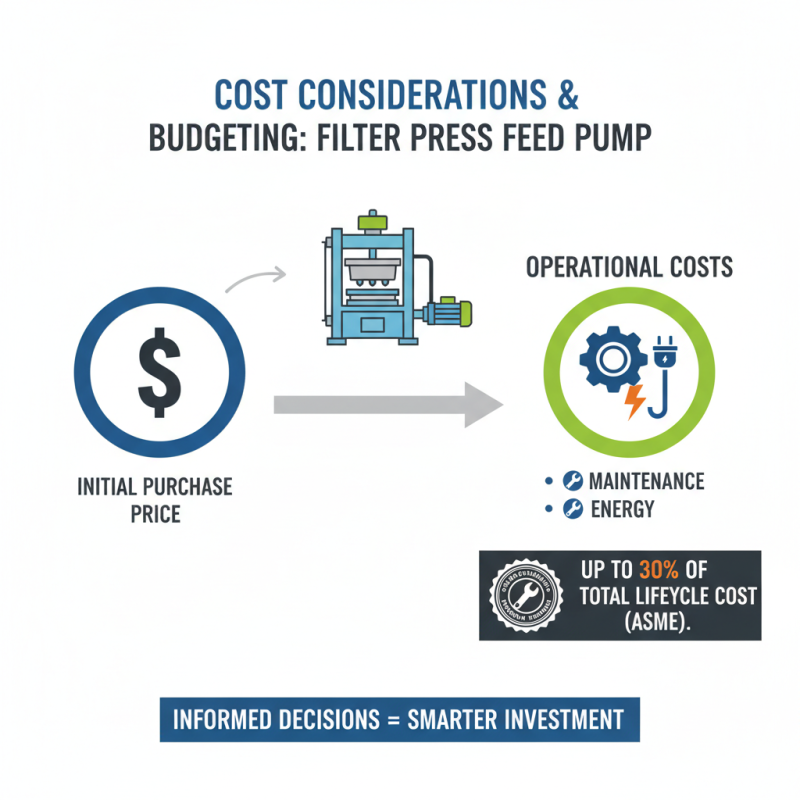
When budgeting for a filter press feed pump, it's essential to consider various cost factors. The initial purchase price is usually the most obvious expense. However, operational costs can significantly impact your total investment. According to the American Society of Mechanical Engineers (ASME), maintenance and energy costs can account for up to 30% of the total lifecycle cost of the pump. Understanding these elements helps make informed decisions.

Another important aspect is the pump's capacity and performance requirements. A more efficient pump may seem costly upfront but could save you thousands in the long run. The Hydraulic Institute suggests that an energy-efficient model can reduce energy consumption by as much as 20%. This is crucial when weighing short-term expenses against long-term savings. It's also wise to factor in potential downtime costs. Unexpected breakdowns can lead to losses, making reliability a crucial selection criterion.

Additionally, some operators overlook the costs associated with pump installation and setup. These expenses can vary widely depending on the complexity of the installation and the existing infrastructure. While saving money is tempting, investing in a quality pump with authority in the market is often a more reliable choice. Remember that every penny spent should be justified by the pump's value in your overall process.

Company Info

Universal Pumping

625 Apache Trail
Woodstock, GA 30189

Mon - Fri | 9:00 AM - 5:00 PM

Connect With Us

About Universal Pumping

Universal Pumping is staffed with industry professionals with 20-45 years experience with high pressure pumping systems. We represent only the “elite producers” in pump manufacturing: Britain’s EMS and Germany’s EMMERICH. Our engineering and manufacturing approach is conservative, and we do not use “guess work” in the design or sales of our pumping and filtration equipment.