

Universal Pumping | High Pressure Pumps
High Pressure Pumps for Difficult to Pump Slurry, Sludge, and Food Waste.
A fire pump is not just a machine in a plant room. It must deliver dependable pressure when a building’s water supply faces an emergency demand. The right Fire Pump Supplier helps match equipment to the site, rather than offering a standard package without asking questions. That process begins with practical details: required flow, pressure, power source, installation conditions, and maintenance access. A credible supplier should explain its recommendations clearly and provide relevant product data. Documents matter. Pump curves, material specifications, inspection records, and service instructions help buyers evaluate whether a proposed system fits the project. They also make later maintenance less guesswork.
Even experienced buyers can miss small details. It happens. Selection also depends on what happens after delivery. Ask how the supplier supports commissioning, troubleshooting, replacement parts, and routine service. Confirm that technicians can explain the equipment and that stated response times are realistic for your location. A low quote can look reassuring, until a missing component or delayed part complicates installation. Parts lead times deserve attention before an order is placed. No supplier can promise that every problem will disappear, and careful buyers should question claims that sound absolute. The goal is a supplier that communicates limitations, answers technical questions, and stands behind documented commitments. Choosing carefully can reduce avoidable delays and support reliable fire protection over the equipment’s service life.
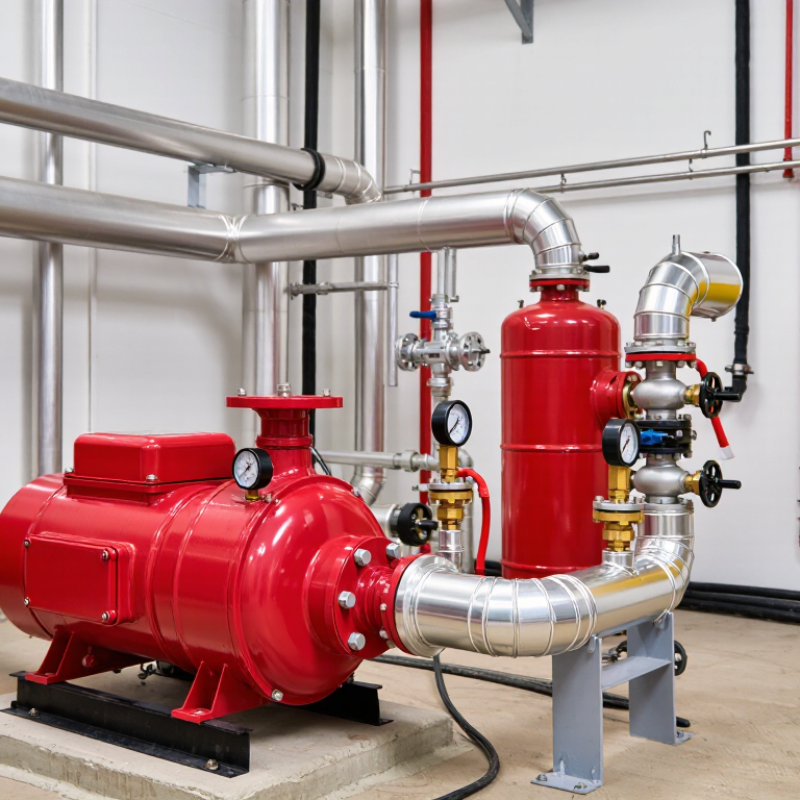
Why Choose the Right Fire Pump Supplier?
Understanding the Role of a Fire Pump Supplier
A fire pump supplier does more than quote equipment. The supplier helps match pump capacity, pressure, driver type, and control equipment to the building’s fire-protection design. A mismatch can leave a system short of required flow—or add complexity that operators do not need. NFPA 20 sets requirements for stationary fire pumps, while NFPA 25 covers inspection, testing, and maintenance. A capable supplier can clarify how these standards apply to the project and provide traceable equipment documentation.
Reliable water delivery matters. NFPA’s 2021 report, U.S. Experience with Sprinklers, found sprinklers operated in 92% of fires large enough to activate them; when they operated, they were effective in 96% of cases. These figures describe sprinkler performance, not fire pumps. Still, they underline why the water supply and its supporting equipment deserve careful attention. Ask suppliers about hydraulic calculations, factory testing, commissioning support, spare parts, and service response. Paperwork alone is not enough. Even a thorough review can miss a site-specific constraint, so confirm access, power, and suction conditions before ordering.
Tips: Share the approved design and site conditions early. Request test records and a clear maintenance plan. Small details matter. Revisit assumptions with the engineer; a supplier’s recommendation should support, not replace, the project design.
| Evaluation Dimension | Why It Matters | What to Verify | Useful Evidence |
|---|---|---|---|
| System requirements | Pump selection must match the system’s required flow, pressure, water supply, and operating conditions. | Whether the supplier reviews project specifications and the applicable fire-protection requirements before recommending equipment. | A written selection basis, pump curve, and documented assumptions. |
| Applicable standards and approvals | Fire pump installations may be subject to specific codes, standards, and approval requirements that vary by location and project. | Which standards and approvals apply to the proposed pump and associated equipment in the project’s jurisdiction. | Current certificates or listings, product documentation, and confirmation from the authority having jurisdiction where required. |
| Complete equipment package | A fire pump system can include a pump, driver, controller, and other components; compatibility affects installation and operation. | Included components, interfaces, electrical requirements, and responsibility for coordinating the package. | A detailed scope of supply, equipment schedule, and interface information. |
| Performance documentation | Documented performance helps engineers and installers check that the selected equipment suits the design duty. | Availability of certified or manufacturer-issued curves, rated conditions, and test documentation for the specific configuration. | Pump curves, data sheets, and factory test records where applicable. |
| Installation coordination | Clear coordination can help avoid mismatches involving foundations, piping, power, ventilation, and access. | Whether the supplier provides dimensional drawings, connection details, and installation guidance before delivery. | Approved drawings, installation manuals, and a documented pre-installation review. |
| Commissioning and acceptance testing | Testing after installation helps confirm that the system operates as intended and that required records are available. | Who performs or supports commissioning, what tests are included, and how results are recorded. | A commissioning plan, test forms, and handover documentation. |
| Service and spare-parts support | Ongoing access to technical support and compatible replacement parts can help maintain system readiness. | Service coverage, parts availability, warranty terms, and the process for requesting technical assistance. | Written warranty conditions, service contacts, and a parts list for the supplied configuration. |
| Delivery and project coordination | The pump package must arrive with the correct components and documentation to fit the project schedule and site conditions. | Lead-time assumptions, shipping arrangements, packaging, and procedures for handling changes or shortages. | A confirmed delivery schedule, packing list, and document-submittal schedule. |
Note: Confirm project-specific requirements with the design professional and the relevant authority having jurisdiction.
Universal Pumping
625 Apache Trail
Woodstock, GA 30189
Mon - Fri | 9:00 AM - 5:00 PM
Universal Pumping is staffed with industry professionals with 20-45 years experience with high pressure pumping systems. We represent only the “elite producers” in pump manufacturing: Britain’s EMS and Germany’s EMMERICH. Our engineering and manufacturing approach is conservative, and we do not use “guess work” in the design or sales of our pumping and filtration equipment.


