
How to Choose the Right Heat Shrink Bags?

Choosing the right Heat Shrink Bags starts with the product, not the packaging catalog. A bag that looks suitable online may fit poorly once sealed or heated. Measure the item’s length, width, and height, then allow room for loading and shrinkage. A rigid box, a sharp corner, and a soft pouch each place different demands on the film.

Material and thickness matter. Polyolefin is commonly used for clear retail packaging, while PVC and polyethylene suit different applications and equipment. Check the manufacturer’s specifications rather than assuming one film works for every product. Consider the bag’s dimensions, shrink ratio, seal strength, and the temperature range of your heat source. Sensitive goods may need a lower-temperature process. Test a sample first. Small trials can reveal wrinkles, weak seals, or uneven shrinking before a full order is placed.

The best choice balances protection, appearance, handling, and cost. It should fit closely without pulling against edges or obscuring important product details. A thick bag is not automatically a better bag; extra material can affect clarity, sealing, and processing time. This guide explains how to compare bag sizes, materials, and performance claims, and what to check before buying. There is no universal answer. Product shape and packaging equipment can change the result, so verify recommendations with supplier data and a practical test.
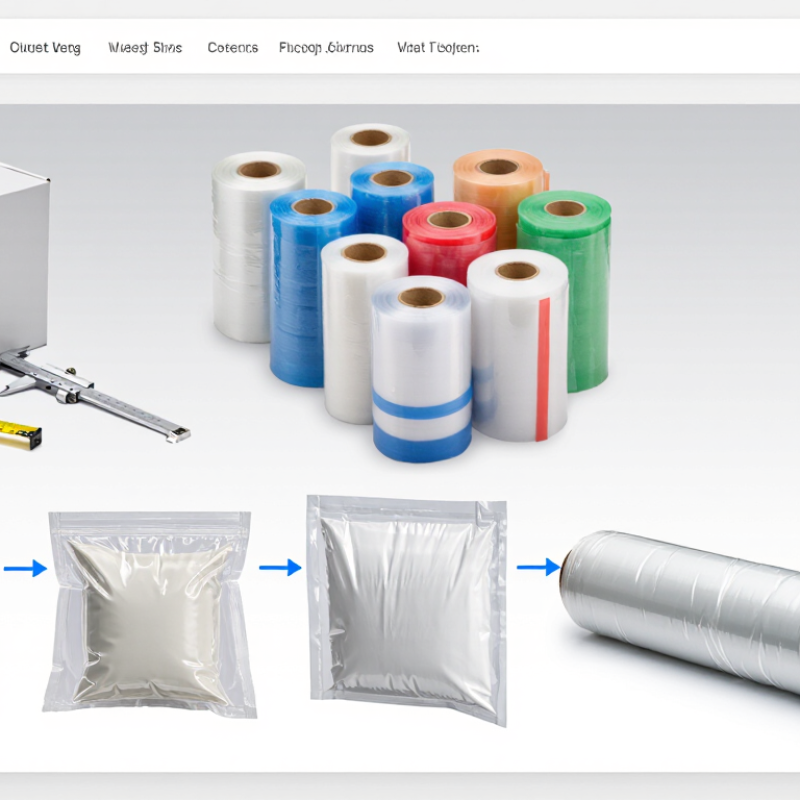
How to Choose the Right Heat Shrink Bags?

Identify the Product’s Size, Shape, and Protection Needs

Measure the product in three places: its longest side, widest point, and depth. For a flat bag, compare the lay-flat width with roughly half the product’s perimeter, then allow room for corners and loading. Add enough length for the item, its base depth, and a clean seal area. Measure twice. A tight fit may tear at sharp edges; an oversized bag can wrinkle and shrink unevenly. Check the supplier’s sizing guidance, especially for irregular shapes.

Protection needs matter as much as dimensions. Decide whether the item needs a dust barrier, moisture resistance, or simply a secure outer wrap. Shrink film can hold items together, but it is not cushioning against impact. The Flexible Packaging Association’s 2023 State of the Flexible Packaging Industry report estimated U.S. industry sales at $42.9 billion in 2022. That figure reflects a broad range of packaging formats, not one standard level of protection. Match film structure and thickness to the product, then test a sample through sealing and shrinking. A neat fit can still fail. I would not rely on appearance alone; inspect corners, seams, and the finished seal.

Compare Heat Shrink Film Materials and Performance

Choosing a heat shrink bag starts with the product’s weight, shape, and handling conditions. Polyolefin offers clear presentation and balanced strength for many retail items. Polyethylene is flexible and often suits heavier or irregular loads, though it may look less clear. PVC can shrink tightly and show products well, but cold storage may make some films brittle. No material wins every time.

Performance depends on thickness, sealing, and heating conditions—not material name alone. Compare shrink percentage, seal strength, puncture resistance, and recommended temperature on supplier test sheets. ASTM D2732 measures free shrink, while ASTM D1922 measures tear resistance; ask for results using these methods. PlasticsEurope’s Plastics—the Fast Facts 2024 reports global plastics production of 413.8 million tonnes in 2023. That scale makes material efficiency worth considering, but it does not prove one film performs better.

Tips: Test a filled bag, not a flat sample. Watch corners and seals after shrinking. A neat finish can still hide weak seals; I would check those twice.

Choose the Bag Dimensions and Film Thickness

Measure the product, not just its front face. Record its longest length and the widest cross-section, including corners, handles, or protrusions. For a flat bag, compare the opening with the product’s full cross-sectional perimeter; leave room for easy loading. A bag that barely fits may tear at a corner or wrinkle around the base. I still recommend a physical trial. Measurements miss awkward shapes.

Film thickness affects puncture resistance, but thicker is not automatically better. One mil equals 25.4 micrometres, so a 2-mil film is about 50.8 micrometres thick. Treat that as a conversion, not a buying rule. Sharp edges, package weight, and handling conditions all matter. ASTM D6988 provides guidance for measuring plastic-film thickness; compare samples using a consistent method rather than relying only on a supplier’s nominal figure.

Test the filled bag with the actual product. Check whether the seam holds, the corners stay covered, and the film shrinks evenly without splitting. ASTM D2732 describes a standard method for measuring free shrink of plastic film, useful when comparing candidate materials. Record bag width, length, thickness, and test conditions together. A small note on the sample can prevent a costly repeat order. My judgment can still be imperfect: irregular products often need more clearance than the tape measure suggests.

Check Compatibility with Sealing and Shrink Equipment

Before buying heat shrink bags, match the film to both your sealer and shrink equipment. Check the bag’s polymer, thickness, width, and seal style against the machine manual. A bag that seals cleanly on a straight-bar sealer may not suit an L-bar system. Confirm the seal jaw can cover the full seam without wrinkles or cold spots. Small gaps matter.

Then check the shrink temperature range against your tunnel’s actual settings, airflow, and conveyor speed. Do not rely only on the temperature shown on the control panel; test a filled bag and inspect the corners, seams, and product edges. ASTM D2732 describes a method for measuring free shrink of plastic film at selected temperatures, giving buyers a consistent way to compare shrink behavior. The Flexible Packaging Association’s 2023 State of the U.S. Flexible Packaging Industry report valued the U.S. sector at $42.9 billion in 2022, underscoring how widely these materials are used. Still, a published figure cannot predict your line’s results. I recheck with real samples. Record the film lot, seal settings, tunnel temperature, and line speed during trials, then repeat the test after a change. One overlooked detail: a tightly packed bag may shrink differently from an empty sample.

How to Choose the Right Heat Shrink Bags? — Check Compatibility with Sealing and Shrink Equipment
Bag Film Typical Sealing Options Sealer Compatibility Shrink Equipment Equipment Checks Before Buying Common Considerations
Polyolefin (POF) Impulse sealing; L-bar sealing; compatible continuous-seal systems Often suitable for impulse and L-bar sealers when the machine’s seal length and settings match the bag. Confirm compatibility with the film specification. Hot-air shrink tunnel or controlled hot-air gun for small-scale use Check the maximum seal length, seal-bar condition, temperature control, dwell time, and the tunnel’s usable opening. Commonly used for retail packaging. Film thickness and product shape affect sealing and shrink results.
Polyethylene (PE) Impulse, L-bar, or continuous-band sealing, depending on film thickness and bag format May require a sealer with sufficient heat output and pressure, especially for thicker films. Verify that the machine is rated for the chosen PE film. PE-capable shrink tunnel; hot-air systems only where suitable for the product and workflow Confirm that the sealer can make a consistent seal through the selected film thickness and that the shrink system provides adjustable heat and airflow. Often selected for heavier or larger packages. Thicker PE generally needs more heat and may shrink differently from thinner films.
PVC Impulse sealing or L-bar sealing; use settings recommended for the specific film Typically used with sealers designed to handle PVC shrink film. Check seal-bar temperature control and ventilation requirements. Compatible shrink tunnel or controlled hot-air system specified for PVC film Check the equipment manual for approved film types, temperature range, ventilation, and safe operating procedures. PVC can release fumes when overheated. Provide appropriate ventilation and avoid exceeding the film supplier’s processing guidance.
Pre-made, open-end shrink bag Seal the open end after loading; sealing method depends on film and bag dimensions Suitable when the sealer’s working width accommodates the bag opening and the seal can be positioned consistently. Tunnel or hot-air system sized for the loaded package Measure the filled package, not just the empty bag. Check opening width, seal clearance, and conveyor or chamber capacity. Useful for batch packing, but bag dimensions must allow room for loading and a reliable final seal.
Center-fold or lay-flat shrink film made into bags during packing Often used with L-bar or automatic side-seal systems Requires equipment that can create the required end or side seals and handle the film width and package rate. Shrink tunnel matched to the sealing line and package dimensions Check the machine’s film path, maximum web width, seal configuration, line speed, and tunnel opening. Confirm whether the equipment is designed for pre-made bags or for forming and sealing film around products.

Selection note: Compatibility depends on film formulation, thickness, bag construction, package size, and machine settings. Use the film supplier’s specifications and the equipment manufacturer’s guidance to confirm the correct seal and shrink conditions before production.

Review Safety, Compliance, and Cost Requirements

How to Choose the Right Heat Shrink Bags?

Review Safety, Compliance, and Cost Requirements

Start with the bag’s intended use and the equipment that will seal it. Check the manufacturer’s stated temperature range, shrink behavior, and material specifications. A bag that seals neatly on a sample may behave differently around sharp edges or uneven products. Test representative items, not just an empty bag. Small details matter.

Protect workers during sealing and handling. Confirm that the machine’s settings suit the film, and follow its operating instructions. Keep hands clear of heated surfaces, and provide ventilation where the material or process requires it. Do not assume that a familiar plastic is suitable for every product. It may not be. For food, medical, or other regulated applications, verify applicable requirements for the specific material, product, and market. Request current technical and compliance documents, then check that they match the bag being purchased. Paperwork can be incomplete, so ask questions when details are unclear.

Compare total cost, not price per bag alone. Film thickness, bag dimensions, seal failures, and wasted product can change the real cost quickly. A cheaper option may need slower machine settings or create more defects. Track a short production run: count good seals, damaged items, and minutes spent adjusting equipment. The numbers may challenge your first choice. Recheck them after a material change; even a careful trial can miss seasonal or operator differences.

Company Info

Universal Pumping

625 Apache Trail
Woodstock, GA 30189

Mon - Fri | 9:00 AM - 5:00 PM

Connect With Us

About Universal Pumping

Universal Pumping is staffed with industry professionals with 20-45 years experience with high pressure pumping systems. We represent only the “elite producers” in pump manufacturing: Britain’s EMS and Germany’s EMMERICH. Our engineering and manufacturing approach is conservative, and we do not use “guess work” in the design or sales of our pumping and filtration equipment.