How to Choose a High Pump for Global Buyers?

Choosing the right high pump for global buyers requires more than comparing prices and flow rates. A pump may look powerful on paper, yet fail in a dusty factory or unstable power grid. The real decision starts with the working point: flow, pressure, fluid temperature, viscosity, and operating hours. Small details matter. A stainless-steel pump may suit clean water, but corrosive chemicals require carefully selected materials and seals. Misjudging this can create expensive downtime.

Experienced buyers also examine the supplier behind the equipment. Request tested performance curves, motor efficiency data, warranty terms, and maintenance instructions. Check whether the pump supports local voltage and frequency requirements. Confirm that required certifications match the destination market, such as CE or other recognized standards where applicable. Spare parts availability matters too. Waiting six weeks for a mechanical seal can stop an entire production line. That is not a minor inconvenience.

No selection is perfect. Product catalogs sometimes omit noise levels, starting current, or performance at partial load. Ask direct questions and request evidence. A factory test report, clear serial number, and traceable quality records can reveal more than attractive photographs. Buyers should also calculate total ownership cost, including energy, installation, service, and replacement parts. This guide explores how to compare a high pump with practical judgment, technical discipline, and realistic expectations. The cheapest option may win the quotation. It may not win the project.
How to Choose a High Pump for Global Buyers?

Understanding High-Pressure Pump Types and Applications

How to Choose a High Pump for Global Buyers?

Understanding high-pressure pump types begins with the fluid, required pressure, and operating environment. Plunger pumps suit demanding water-jet systems, pressure testing, and precise industrial cleaning. Diaphragm pumps handle corrosive or abrasive liquids while keeping the fluid separated from moving parts. Multistage centrifugal pumps provide steady flow for boiler feed, reverse osmosis, and high-rise water systems. Each design behaves differently under changing flow conditions.

A pump should match both pressure and flow, not pressure alone. Check fluid temperature, viscosity, solid content, and chemical compatibility before selecting construction materials. Stainless steel may resist many fluids, but it is not suitable for every chemical. In field inspections, I have seen oversized pumps waste energy through frequent throttling. Smaller pumps can also fail early when the required pressure is underestimated. The numbers matter.

Global buyers should verify motor voltage, frequency, connection standards, noise limits, and local safety requirements. Ask for performance curves, material certificates, test records, maintenance instructions, and replacement-part availability. Installation quality affects reliability as much as pump design. Poor alignment creates vibration. Dry running can damage seals within minutes. In remote projects, simple servicing often matters more than advanced features. My own selection process is not perfect; operating data is sometimes incomplete. When that happens, a conservative trial plan and clear monitoring points are safer than confident guessing.
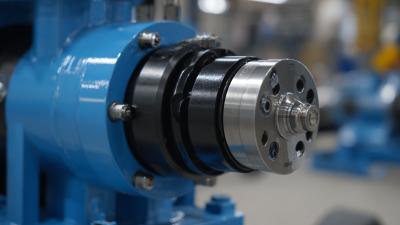
Defining Performance Requirements for Global Pump Selection

A high-head pump is not selected by pressure alone. Global buyers should define flow rate, total dynamic head, fluid temperature, viscosity, density, and operating hours. The duty point must reflect real pipeline friction, elevation changes, valves, and seasonal demand. A pump that looks powerful may waste energy outside its best efficiency point.

The U.S. Department of Energy’s Pumping System Assessment Tool guidance notes that pumping systems can consume 25–50% of electricity in some industrial facilities. The International Energy Agency’s Energy Efficiency 2023 report also identifies motor-driven systems as responsible for roughly half of global electricity use. These figures make efficiency a commercial requirement, not just an engineering preference. Ask suppliers for tested efficiency data, NPSH requirements, materials, and performance curves. ISO 9906 testing can improve comparison between offers, although field conditions may still differ.

Tips: Write the duty range, not one duty point. Check minimum flow protection, spare-part availability, local voltage, and maintenance skills. Request references from similar fluids and elevations. Real projects rarely match the spreadsheet. I would also question unusually high efficiency claims without test conditions, tolerance limits, and independent documentation. A smaller pump with proper control can sometimes outperform an oversized unit, especially when demand changes throughout the day.

How to Choose a High Pump for Global Buyers?

Defining Performance Requirements for Global Pump Selection

The chart shows indicative discharge-pressure ranges commonly used when screening pump requirements for different applications. Seawater reverse osmosis typically operates at approximately 55–70 bar, while boiler-feed systems can require a much wider range depending on steam pressure and plant design. Final pump selection should also verify flow rate, fluid temperature, viscosity, materials compatibility, efficiency, NPSH available, voltage, and local compliance requirements.

Evaluating Materials, Standards, and Operating Conditions

Choosing a high-pressure pump starts with the fluid, not the catalog photograph. In field evaluations, material compatibility often decides service life. Stainless steel suits many clean, mildly corrosive liquids. Duplex alloys may perform better with chloride exposure and higher mechanical stress. Cast iron can be practical for water applications, but it needs protection in aggressive environments. Check seals carefully. Elastomers can soften, swell, or crack when temperature and chemicals change.

Standards help buyers compare equipment across markets. ISO 9906 provides useful guidance for pump performance testing. API 610 may apply to demanding petroleum and process installations. Electrical components should match the destination country’s voltage, frequency, enclosure, and conformity requirements. Certification alone is not enough. Test reports should identify the tested duty point, tolerance, materials, and inspection method. Some documents look complete but omit the details that matter during commissioning.

Operating conditions should be written as measurable values. Record flow rate, discharge pressure, liquid temperature, viscosity, density, solids content, and daily runtime. Confirm available NPSH against required NPSH, especially with hot liquids or long suction lines. A pump may meet the pressure target yet cavitate beside a storage tank. Consider altitude and unstable power supplies too. Selection mistakes often come from using average conditions instead of the worst credible case. That approach is convenient, but it deserves a second review.

How to Choose a High Pump for Global Buyers? - Evaluating Materials, Standards, and Operating Conditions

Pump Configuration Typical Operating Range Recommended Wetted Materials Fluid and Temperature Limits Relevant International Standards Selection Considerations
Multistage centrifugal pump Flow: 1–1,000 m³/h
Discharge pressure: up to approximately 100 bar
Efficiency: commonly 60–85%
Cast iron or ductile iron for clean water; stainless steel for corrosive or hygienic fluids; duplex stainless steel for chloride-containing water and seawater service. Best for clean or lightly contaminated liquids with low to medium viscosity. Typical temperature range: approximately −20°C to 120°C, depending on seals, bearings, and material grade. ISO 5199 for centrifugal pump technical requirements; ISO 9906 for hydraulic performance testing; IEC 60034 for motor requirements where applicable. Check net positive suction head available, minimum flow protection, stage pressure balance, seal compatibility, and motor voltage/frequency for the destination country.
Horizontal split-case centrifugal pump Flow: 100–10,000 m³/h
Discharge pressure: commonly up to 40 bar
Suitable for continuous-duty service
Ductile iron or carbon steel casing; stainless steel impeller for treated water; duplex or super-duplex grades for aggressive seawater applications. Primarily used for water, cooling water, irrigation, and fire-water systems. Typical liquid temperature: 0°C to 120°C, subject to seal and bearing design. ISO 13709 for petroleum, petrochemical, and natural gas applications when specified; ISO 9906 for performance testing; NFPA 20 may apply to fire pumps. Evaluate baseplate stiffness, alignment, vibration limits, driver service factor, standby requirements, and local fire-protection regulations.
Plunger or piston positive-displacement pump Flow: 0.1–500 m³/h
Discharge pressure: approximately 50–1,000 bar
High-pressure, relatively low-flow operation
Stainless steel or alloy-steel fluid ends; ceramic or tungsten-carbide plungers for abrasive service; elastomers selected for the chemical and temperature conditions. Suitable for water, chemicals, metering, hydrostatic testing, and reverse-osmosis feed. Liquid viscosity is generally low to moderate; temperature often ranges from 0°C to 150°C depending on packing and seals. API 674 for reciprocating positive-displacement pumps in petroleum and related industries; ISO 13710 may apply to refinery services; pressure-vessel and piping codes may also be relevant. Install a correctly sized relief valve, pulsation dampener, suction stabilizer, and low-level shutdown. Never operate a positive-displacement pump against a blocked discharge.
Rotary screw positive-displacement pump Flow: 1–1,500 m³/h
Discharge pressure: commonly up to 100 bar
Low pulsation and strong suction capability
Carbon steel or stainless steel casing; hardened or coated rotors for abrasive fluids; elastomers chosen according to oil, solvent, or chemical exposure. Suitable for oils, fuels, polymers, sludge, and viscous liquids. Typical viscosity capability may extend from water-like fluids to more than 100,000 cSt, depending on speed and design; temperature commonly −20°C to 150°C. API 676 for rotary positive-displacement pumps; ISO 13710 may apply to petroleum and petrochemical services; ATEX or IECEx may be required in hazardous areas. Confirm viscosity at operating temperature, heating requirements, dry-run protection, rotor clearances, seal arrangement, and area classification.
Pneumatic diaphragm pump Flow: 0.01–60 m³/h
Discharge pressure: typically up to 8 bar
Self-priming and capable of handling solids
Polypropylene or PVDF for chemical service; aluminum or stainless steel for industrial fluids; PTFE diaphragms and balls for strong chemical resistance. Suitable for corrosive, abrasive, shear-sensitive, or solids-bearing liquids. Typical temperature range: −20°C to 120°C, depending on diaphragm, valve-ball, and body materials. ISO 4414 for pneumatic fluid-power safety principles; ATEX may be required for potentially explosive atmospheres; material compliance may be required for food or pharmaceutical service. Consider compressed-air consumption, pulsation, freezing of the air valve, diaphragm fatigue, grounding, and compatibility with the pumped chemical.
Vertical turbine or deep-well pump Flow: 50–10,000 m³/h
Discharge pressure: commonly up to 60 bar
Designed for deep sources or large wet wells
Cast iron or carbon steel bowls; stainless steel shafts and impellers for corrosive water; bronze or duplex components where required by water chemistry. Used for raw water, irrigation, cooling water, and municipal intake systems. Typical liquid temperature: 0°C to 80°C; suspended solids and sand content must be controlled. Hydraulic Institute standards for pump performance and application guidance; ISO 9906 for hydraulic testing; local electrical and water-installation codes may apply. Verify well diameter, submergence, column-pipe losses, shaft critical speed, lubrication method, minimum water level, and protection against sand abrasion.
Global selection checklist: Confirm required flow, total dynamic head, fluid composition, viscosity, solids concentration, vapor pressure, operating temperature, ambient conditions, electrical supply, hazardous-area classification, installation altitude, spare-parts availability, and applicable destination-country regulations before finalizing the pump specification.

The ranges shown are typical engineering selection ranges rather than guaranteed limits. Final operating limits must be verified against the pump curve, material certificates, seal data, motor rating, and the current edition of the applicable standard.

Comparing Suppliers, Certifications, Costs, and After-Sales Support

For global buyers, a high-pressure pump supplier should prove more than production capacity. Request factory audit records, material traceability, pressure-test reports, and reference projects in similar fluids. ISO 9001 certification supports process control, but it does not guarantee pump performance. The ISO Survey 2022 recorded more than 1.2 million ISO 9001 certificates worldwide, so certification alone is not a strong differentiator. Check the certificate scope, issuing body, and expiration date. Also verify CE, UKCA, UL, or local approvals where required.

Look beyond the purchase price. The U.S. Department of Energy reports that pumping systems can consume 25% to 50% of industrial electricity. Europump lifecycle studies also indicate that energy may represent over 40% of total pump ownership cost. Ask suppliers for efficiency curves, operating-point data, motor details, and annual energy estimates. A cheaper pump may create higher costs through inefficient operation, seal failures, or frequent maintenance. Request a written quotation with delivery, spare parts, testing, packaging, and warranty terms clearly separated. Hidden charges matter.

After-sales support deserves measurable commitments. Ask for response times, remote troubleshooting procedures, spare-parts availability, and technician coverage in your region. A practical supplier should provide manuals, commissioning guidance, and training for operators. Insist on a documented warranty process. Vague promises create expensive delays. A perfect scorecard is rare. I would still challenge missing data, even when the supplier appears experienced. Pilot testing may cost more initially, but it can expose vibration, cavitation, or poor sealing before full deployment.

Verifying Installation, Maintenance, and Long-Term Pump Reliability

Choosing a high-pressure pump begins with verifying the installation environment, not just the rated pressure. Confirm the fluid, temperature, flow rate, pipe diameter, voltage, and available space. A pump designed for clean water may fail quickly with abrasive particles or corrosive chemicals. Details matter.

During installation, check that the base is level and the inlet pipe remains short and properly supported. Misalignment can create vibration, seal damage, and unexpected noise. Install pressure gauges near the inlet and outlet. They make performance changes easier to detect. Field inspections often reveal loose fittings that were missed during commissioning. That is risky. Request a documented test showing flow, pressure, noise, and motor temperature under working conditions.

Maintenance should be practical for local technicians. Confirm access to seals, bearings, filters, and electrical connections before purchase. Ask for a clear service schedule and spare-parts list, with part descriptions that do not depend on a brand code. Inspect leakage, vibration, and current draw at regular intervals. Keep records. Small changes often appear before major failure. In remote sites, preventive maintenance may be more valuable than a slightly higher efficiency rating.

Long-term reliability also depends on honest operating limits. Do not run the pump continuously at its maximum rating without checking the manufacturer’s technical data and local requirements. Independent inspection can verify materials, testing methods, and supplied documents. One common mistake is trusting a polished specification sheet without checking field conditions. I have learned that a modest safety margin and careful installation usually protect performance better than optimistic assumptions.

Company Info

Universal Pumping

625 Apache Trail
Woodstock, GA 30189

Mon - Fri | 9:00 AM - 5:00 PM

Connect With Us

About Universal Pumping

Universal Pumping is staffed with industry professionals with 20-45 years experience with high pressure pumping systems. We represent only the “elite producers” in pump manufacturing: Britain’s EMS and Germany’s EMMERICH. Our engineering and manufacturing approach is conservative, and we do not use “guess work” in the design or sales of our pumping and filtration equipment.