Why Choose the Right Mud Pump Liner?
A mud pump works under repeated pressure, abrasive solids, and demanding duty cycles. The Mud Pump Liner forms a wear surface inside the fluid end, so its material, dimensions, and fit can affect performance. A mismatch may accelerate wear, increase leakage, or lead to unplanned maintenance. Small details matter. Even a liner that appears compatible may not suit the pump model, drilling fluid, or operating conditions.
Choosing well starts with checking the pump manufacturer’s specifications and confirming the liner’s bore, length, and sealing arrangement. Consider fluid composition, solids content, pressure, temperature, and expected service interval. Ceramic liners can offer strong abrasion resistance, while other materials may better suit specific budgets or operating demands. No option is best everywhere. Inspect the piston, seals, and liner surface together; a new liner cannot compensate for worn mating parts. Keep installation clean, follow approved torque and lubrication instructions, and record operating hours and observed wear. These checks help teams compare service life and cost using job data rather than catalog claims alone. The choice still involves trade-offs. This guide outlines key selection factors, useful questions for suppliers, and signs that a liner needs attention. Check recommendations against equipment documentation and site conditions, because service demands vary between rigs.
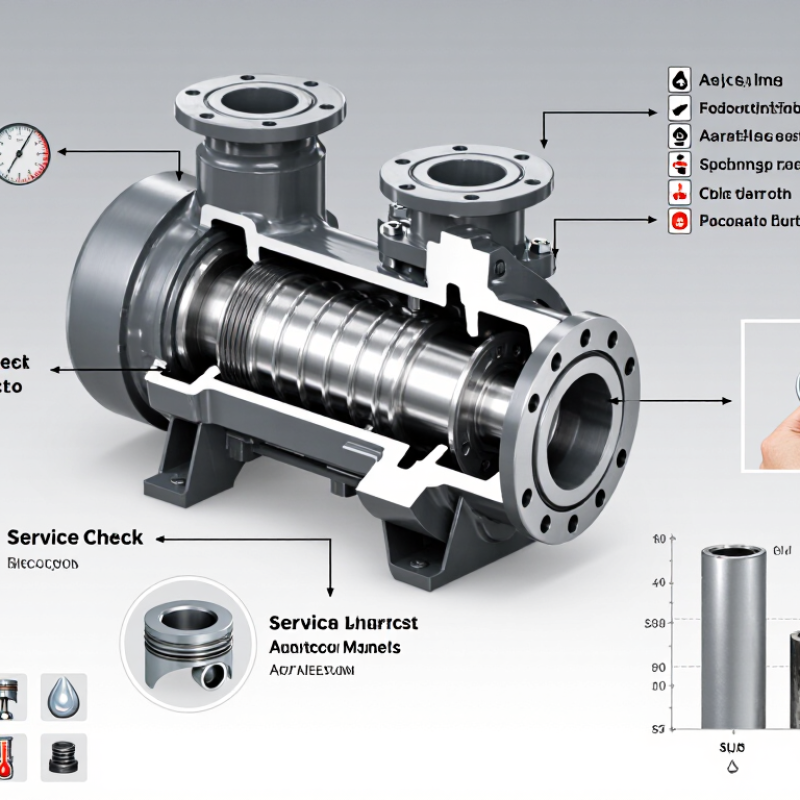
Mud Pump Liner Function and Operating Conditions
Why Choose the Right Mud Pump Liner?
Mud Pump Liner Function and Operating Conditions
A mud pump liner forms the working surface around the piston as it moves back and forth. Together, these parts help create pressure and move drilling fluid through the pump. The liner must handle repeated contact, changing loads, and abrasive particles in the mud. Small differences matter. Sand and other solids can gradually score the bore, while poor cooling or lubrication may accelerate wear. Operating pressure, pump speed, fluid temperature, and mud chemistry all affect service life. A liner suited to one setup may wear quickly in another. There is no universal choice.
Tips: Check the liner bore and piston condition during routine inspections. Look for scoring, uneven wear, or leakage. Record operating hours and fluid conditions; memory alone is not reliable. Follow the pump maker’s installation and clearance guidance.
When evaluating a liner, match its material and construction to the actual fluid and duty cycle, not just the pump’s rated pressure. Confirm that the selected dimensions fit the equipment and that seals and cooling arrangements are compatible. A pressure rating by itself tells only part of the story. In practice, wear patterns can be less tidy than expected, especially when solids vary between shifts. Track changes over time, and investigate unusual heat, vibration, or pressure loss before assuming the liner is the only cause.
Key Factors for Selecting a Mud Pump Liner
Choosing a mud pump liner begins with the pump’s pressure, speed, and fluid—not price alone. Match the liner bore to the pump manufacturer’s rated configuration; a mismatch can alter flow and accelerate wear. Then assess the mud itself. API RP 13B-1 provides field-test procedures for water-based drilling fluids, including density, rheology, and sand content. These measurements help crews judge abrasive loading instead of relying on appearance. Fine solids can be hard to spot. They still matter.
Material choice depends on the balance between abrasion resistance, impact risk, and maintenance access. Ceramic liners can resist abrasive wear, while steel options may tolerate some impact conditions better; actual performance depends on the design and operating envelope. Record discharge pressure, stroke rate, fluid properties, and liner hours, then compare wear across runs. API Spec 7K provides equipment requirements for drilling and well-servicing equipment, making it a useful reference when checking compatibility and service limits. There is no dependable universal liner-life figure: solids, pressure fluctuations, and operating habits change the result. A clean-looking mud sample is not a full inspection, and I would not treat it as one. Keep a spare matched to the pump. A small detail, often missed.
Why Choose the Right Mud Pump Liner?
The liner bore affects a pump’s theoretical displacement. The chart compares common bore sizes at a fixed 12-inch stroke for a triplex, single-acting pump.
A larger bore provides more theoretical flow per revolution. Actual output varies with pump speed, fluid properties, and volumetric efficiency; select a liner to balance required flow with operating pressure and equipment limits.
Values are calculated from three cylinder swept volumes using a 12-inch stroke; they are theoretical and exclude losses.
How the Right Liner Affects Pump Performance
A mud pump liner sets the piston’s working area, so its bore directly changes flow and pressure behavior. API Recommended Practice 13D provides the hydraulic framework for evaluating these trade-offs; API Specification 7K covers drilling equipment requirements. Consider a calculated example: a 6-inch liner has about 28.3 square inches of piston area. A 6.5-inch liner has about 33.2 square inches, roughly 17% more. At the same stroke and speed, theoretical displacement rises by a similar percentage. The calculation assumes identical pump geometry and does not represent guaranteed field output.
More flow has a cost. With the same piston force, the larger liner’s theoretical pressure capacity falls by about 15%, because that force acts over more area. That difference matters when a crew must maintain standpipe pressure while circulating dense fluid through narrow nozzles. A liner that is too small can limit circulation; one that is too large may leave less pressure margin. Fit also matters. Scoring, worn piston seals, or poor fluid lubrication can reduce volumetric efficiency and cause pulsating flow. Watch the pressure gauge and inspect liner wear during maintenance. Field estimates can still miss local conditions, especially changing fluid properties. API’s hydraulic guidance helps frame the selection, but measured pump performance should confirm it.
Why Choose the Right Mud Pump Liner? — How the Right Liner Affects Pump Performance
| Selection Factor | Common Liner Considerations | Effect on Pump Performance | What to Check |
| Liner construction | Bimetallic liners typically use a steel outer shell with a wear-resistant inner sleeve. Ceramic liners use a ceramic working surface supported by a metal body. | Construction affects resistance to abrasive wear, impact, and operating conditions. The best choice depends on the mud and drilling environment. | Compare the liner design with the pump model, service conditions, and fluid characteristics. |
| Abrasive solids | Drilling mud containing sand or other hard particles can accelerate wear on the liner bore and piston. | Excessive bore wear can reduce piston sealing effectiveness and contribute to lower volumetric efficiency. | Consider solids content, particle characteristics, circulation practices, and the liner material’s wear properties. |
| Impact and vibration | Mechanical shock, poor handling, or severe vibration can affect liner service life. Ceramic working surfaces are generally less tolerant of impact than metal surfaces. | Damage to the liner surface can impair sealing and may require earlier replacement. | Review installation procedures, handling, pump condition, and the likelihood of impact during service. |
| Corrosive fluids | Fluid chemistry can affect exposed liner materials; resistance varies with the specific metal or ceramic grade. | Corrosion can damage surfaces and shorten service life, potentially increasing maintenance and downtime. | Check fluid chemistry and confirm material compatibility with the liner supplier or equipment documentation. |
| Bore size and fit | Liner inside diameter must match the specified pump configuration and compatible piston. | Bore diameter determines displacement per stroke. Incorrect sizing or poor fit can affect output and sealing. | Verify the pump model, required bore size, piston compatibility, and manufacturer tolerances before installation. |
| Operating pressure | A liner must be suitable for the pump’s intended service, but the pressure capability of the fluid end depends on the complete equipment design. | Using a liner does not increase the pressure rating of the pump or other pressure-containing components. | Follow the rated limits for the pump, fluid end, liner, and associated components as a complete system. |
| Inspection and maintenance | Regular checks can identify scoring, cracking, corrosion, or bore wear before performance is significantly affected. | Timely replacement helps maintain effective piston sealing and reduces the risk of unplanned downtime. | Use the equipment manufacturer’s inspection criteria and replace worn or damaged parts as required. |
Note: Actual liner life and pump performance vary with mud properties, operating conditions, maintenance, and equipment configuration. Use the pump manufacturer’s specifications when selecting a liner.
Signs of Wear and Liner Replacement Needs
Mud-pump liners rarely fail without warning. Watch the pressure gauge, discharge pulsation, and fluid-end temperature during each shift. A rising stroke rate for the same flow can signal declining volumetric efficiency. So can persistent pressure loss, unusual vibration, or a new metallic knock. Check the liner bore for scoring, pitting, and uneven wear; a rough, polished band near one end may reveal misalignment or poor lubrication. Small clues matter.
Record liner hours, pump pressure, fluid properties, and washout observations in daily reports. Compare readings under similar drilling conditions; one noisy shift alone proves little. API Specification 7K sets equipment requirements for drilling mud pumps, but it does not provide one universal liner-change interval. Replacement decisions should follow the pump maker’s limits and measured condition, not an arbitrary calendar. That judgment can still be imperfect.
Replace a liner when wear exceeds its specified limit, pressure cannot be held, or visible damage risks piston and fluid-end wear. During changeout, inspect the piston, rod, clamps, seals, and cooling-water path. Abrasive solids and inadequate lubrication can shorten service life, even when the liner looks acceptable from the outside. Log the removed liner’s condition and operating hours. Those records help identify recurring causes, though they will not explain every failure.