Top Tips for Choosing the Right Piston Pump for Your Needs?

When selecting a piston pump, understanding your specific needs is crucial. The piston pump industry is growing significantly, with a projected increase of 6.3% annually through 2030, according to a recent report by Grand View Research. This growth highlights the importance of making informed decisions in a market filled with options.

Expert John Smith, a veteran in hydraulic systems, stated, "Choosing the right piston pump can determine the efficiency and longevity of your operations." His insights underscore the necessity of evaluating factors like pressure, flow rate, and material compatibility. These variables can heavily influence performance, yet many overlook them in favor of price or availability.

Moreover, selecting a piston pump may require some trial and error. Each application is unique, and what works well in one scenario may not suit another. It's essential to carry out thorough testing and seek expert advice. Doing so can prevent costly mistakes and optimize your system's performance. In this evolving landscape, making educated choices is not just beneficial—it's essential.
Top Tips for Choosing the Right Piston Pump for Your Needs?

Understanding the Basics of Piston Pumps and Their Applications

Piston pumps are widely used in various applications due to their efficiency and reliability. These pumps operate by using reciprocating action to move fluid. Understanding their mechanics is crucial for selecting the right one for your needs. Reports indicate that the global piston pump market is expected to grow significantly, driven by increasing demand in sectors like water treatment and oil and gas.

Choosing the right piston pump can be challenging. Assess your specific requirements first. Consider the type of fluid you will be pumping. For example, abrasive materials might require a more robust design. The flow rate and pressure are also crucial factors. Research shows that miscalculations here can lead to equipment failure and increased costs.

When evaluating options, think about maintenance and ease of use. Some models may seem appealing but might not offer serviceability. Compact designs may save space but could limit performance. Remember to consult reliable sources and industry reports to compare your choices effectively.

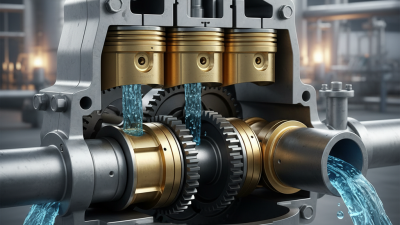
Identifying Your Specific Fluid Transfer Requirements

When selecting a piston pump, understanding your fluid transfer requirements is crucial. Consider the type of fluids you'll be handling. Are they viscous or abrasive? This aspect greatly impacts pump performance. If the fluid is thick, a pump with high shear capabilities is essential.

Evaluate the required flow rate and pressure. You need to know how much fluid you need to move and at what pressure. Not every pump can meet high-pressure demands. Analyze your specific application to ensure the pump can handle it.

Here are a few suggestions to consider. Choose a pump made from materials compatible with your fluids. This minimizes corrosion and wear. Regular maintenance is key. It extends the lifespan of your pump. Be ready to troubleshoot any performance issues. Identify the signs early to avoid costly downtime.

Evaluating the Performance Parameters of Piston Pumps

When selecting the right piston pump, evaluating performance parameters is crucial. Key metrics include pressure, flow rate, and viscosity tolerance. According to a recent industry analysis, pumps typically achieve flow rates between 0.5 to 40 GPM. Understanding the specific needs of your application enables better alignment with these parameters.

It's important to note the relationship between pressure and flow. Higher pressures often reduce flow rates. Many manufacturers report pressure ratings varying from 100 to 6,000 psi. Therefore, striking a balance can be complicated. Selecting a pump requires a thoughtful review of how these factors interplay.

Another performance aspect to consider is efficiency. Some reports indicate that piston pumps can have efficiencies exceeding 90%. However, factors like wear and maintenance can reduce this over time. Regular assessments are essential to ensure your pump operates at peak efficiency, avoiding costly downtime. An informed choice stems from a comprehensive evaluation of these performance metrics.

Top Tips for Choosing the Right Piston Pump for Your Needs

Parameter Description Example Value
Displacement Volume of fluid pumped per cycle 50 cc/rev
Pressure Rating Maximum pressure the pump can handle 200 bar
Flow Rate Rate of fluid flow through the pump 30 L/min
Efficiency Ratio of useful work output to total energy input 85%
Operating Temperature Range of temperatures the pump can operate within -10 to 80 °C
Material Compatibility Suitability of pump materials for different fluids Compatible with water and oil
Maintenance Requirements Frequency of required servicing or repairs Every 6 months
Weight Weight of the pump for portability considerations 15 kg

Considering Material Compatibility and Durability Factors

When choosing a piston pump, material compatibility is crucial. Different materials interact uniquely with various fluids. Metallic parts may corrode when exposed to aggressive chemicals. Plastic components might degrade under high heat. Knowing the properties of your fluid ensures the selected pump will last longer and perform better.

Durability is another vital factor. Look for pumps designed to withstand wear and tear. For instance, stainless steel pumps often offer greater longevity than standard alloys. Yet, even durable pumps can succumb to misuse. Regular maintenance can extend their lifespan significantly. Inspect seals and gaskets regularly for signs of wear. Ignoring these small details can lead to costly repairs later.

Reflect on the fluid's nature and the pump's operating environment. Is the fluid abrasive? Will it be used in extreme temperatures? These aspects demand a robust pump that won’t fail under pressure. Choosing the right material and ensuring durability is not just about immediate needs. It's about setting up a reliable operation for the long run.

Analyzing Cost vs. Quality: Making an Informed Decision

When selecting a piston pump, cost versus quality is a crucial factor to consider. Often, a cheaper option may seem appealing initially. However, such pumps can compromise performance and durability. For instance, low-cost materials might fail under pressure or wear out quickly. This can lead to costly repairs and downtime. Investing in a quality pump can save money in the long run.

Understanding your specific needs is essential. Different applications require different specifications. Assessing the pump's operational environment and expected workload helps in making a more informed decision. Sometimes, it's worth paying more for features like better seals or enhanced pressure ratings. Experience shows that quality pumps often translate into reliable performance over time.

Reflecting on past choices can also guide your decision. Review any previous pumps you’ve used. Did they meet your expectations? Were they efficient? Learning from these experiences can illuminate what to prioritize this time. Ultimately, striking a balance between cost and quality is about aligning your requirements with what the market offers.

Company Info

Universal Pumping

625 Apache Trail
Woodstock, GA 30189

Mon - Fri | 9:00 AM - 5:00 PM

Connect With Us

About Universal Pumping

Universal Pumping is staffed with industry professionals with 20-45 years experience with high pressure pumping systems. We represent only the “elite producers” in pump manufacturing: Britain’s EMS and Germany’s EMMERICH. Our engineering and manufacturing approach is conservative, and we do not use “guess work” in the design or sales of our pumping and filtration equipment.