2026 How to Choose the Right Sludge Pumps for Your Needs?

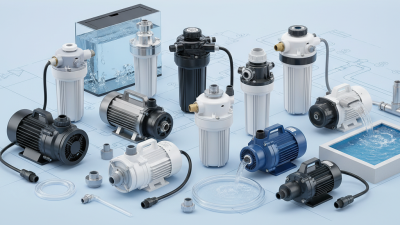
Choosing the right sludge pumps is crucial for various applications. These pumps handle wastewater and industrial sludge effectively. However, selecting the wrong model can lead to inefficiency and increased costs.

When looking for sludge pumps, consider factors such as flow rate, viscosity, and solids content. The pump's material is also important; it should resist corrosion and wear. For instance, stainless steel may be ideal for harsh environments. Keep in mind that not all pumps are built to handle the same types of sludge.

Reflecting on past experiences can help. Many have faced challenges due to inadequate pumping solutions. A pump that performs well in one scenario may not work in another. This emphasizes the need for thorough research before making a decision. Choosing wisely can enhance operational efficiency and reduce downtime.
2026 How to Choose the Right Sludge Pumps for Your Needs?

Understanding Sludge Pump Types and Their Applications

2026 How to Choose the Right Sludge Pumps for Your Needs?

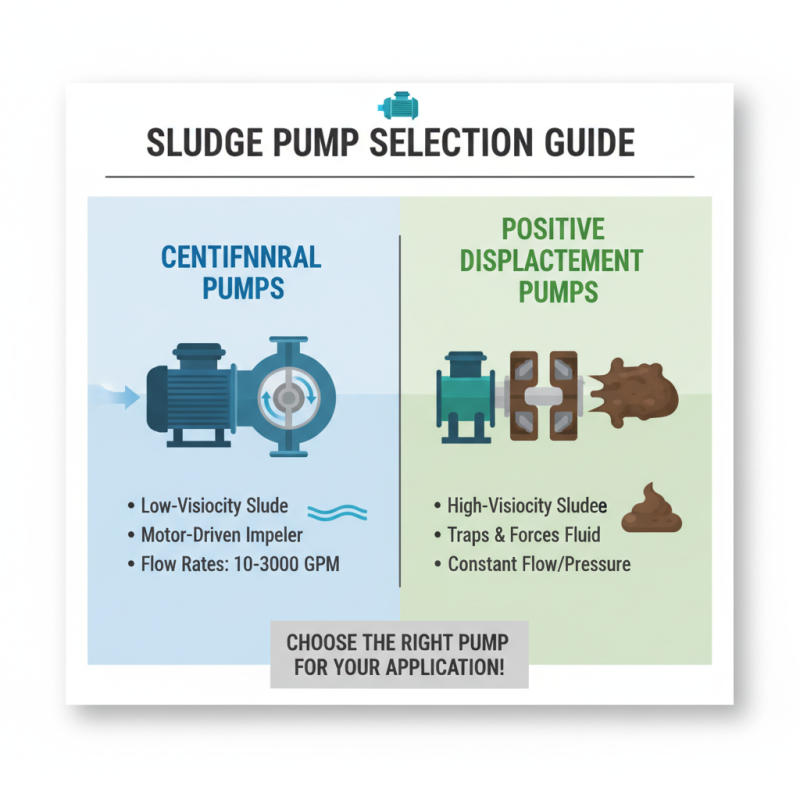
When selecting a sludge pump, understanding the types available is crucial. There are primarily centrifugal pumps and positive displacement pumps. Centrifugal pumps are often used for low-viscosity sludge. They operate efficiently with a motor that rotates an impeller, creating suction. They can handle flow rates from 10 to 3000 GPM based on specifications.

Conversely, positive displacement pumps are more suitable for thick, viscous materials. These pumps function by trapping a fixed amount of sludge and forcing it through the discharge. They are effective in scenarios where high viscosity is present, common in industrial wastewater. According to a recent market report, about 40% of sludge pump applications require positive displacement technology for optimal performance.

Industry insights reveal that the wrong pump choice can lead to operational inefficiencies and increased maintenance costs. A common misstep is underestimating sludge viscosity, leading to inadequate pump selection. Understanding the specific sludge characteristics is vital. This knowledge will guide you in choosing a pump that meets your requirements, preventing costly downtime. Not all pumps are created equal, and incorrect choices can be damaging in the long run.
Key Factors to Consider When Selecting a Sludge Pump

Choosing the right sludge pump can be challenging. Various factors play a crucial role in making a suitable selection. One significant aspect is the pump's capacity. You need to determine the required flow rate for your specific application. This helps ensure that the pump meets your operational needs without unnecessary delays or inefficiencies.

Another important factor is the solids content in your sludge. High solids usually require a different pump design than low solids. For instance, solid handling capabilities vary widely. Pay attention to the pump's maximum particle size. This detail is vital for effective pumping.

Tips: Always consider the pump's material. Corrosion resistance can make a huge difference. Evaluate your environment and select materials accordingly. Additionally, examine energy efficiency. This can lead to cost savings in the long run.

Reflect on maintenance needs too. Some pumps require regular servicing, while others are more robust. Your choice should balance reliability with ease of maintenance. Take your time evaluating each option. This decision impacts your operations significantly.

2026 How to Choose the Right Sludge Pumps for Your Needs? - Key Factors to Consider When Selecting a Sludge Pump

Factor Description Importance Recommended Type
Flow Rate The volume of sludge to be handled per unit of time. High Submersible Pump
Solids Concentration The percentage of solids in the sludge mixture. High Positive Displacement Pump
Viscosity The thickness of the sludge, affecting pump choice. Medium Progressive Cavity Pump
Temperature The temperature of the sludge, impacting material selection. Medium Thermoplastic Pump
pH Level The acidity or alkalinity of the sludge, influencing corrosion resistance. High Corrosion-Resistant Pump
Pump Location Installation location affecting accessibility and maintenance. Medium Portable Pump

Comparing Sludge Pump Features and Specifications

2026 How to Choose the Right Sludge Pumps for Your Needs?

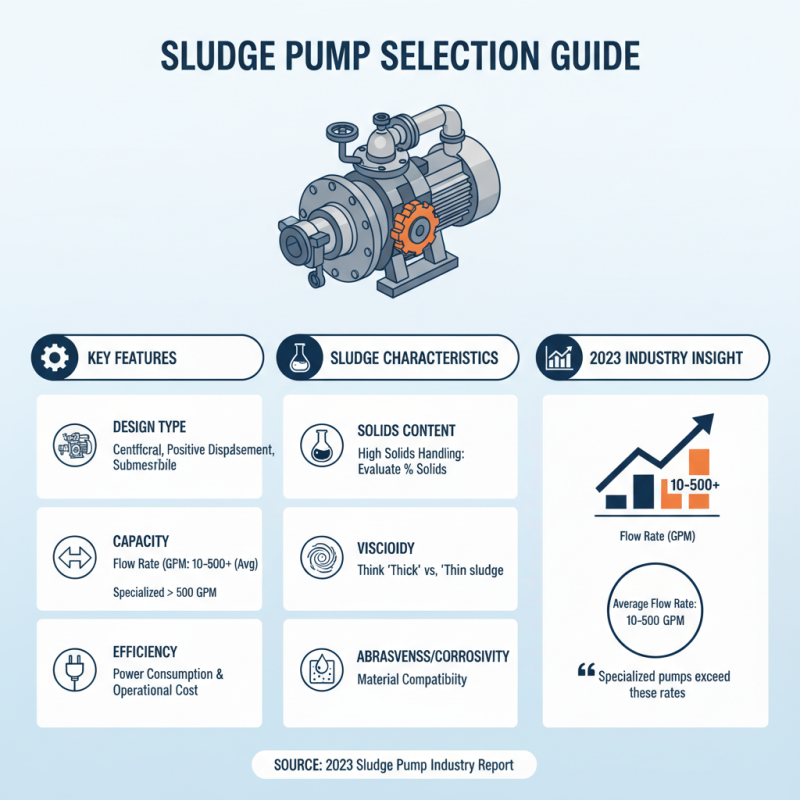
When selecting the right sludge pump, it's essential to evaluate specific features and specifications. Sludge pumps differ in design, capacity, and efficiency. According to a 2023 industry report, the average flow rate for sludge pumps is between 10 to 500 gallons per minute. However, some specialized pumps can exceed these rates. Not all pumps can handle high levels of solids, so consider the pump's viscosity range and solid handling capability.

Tip: Always check the pump's material construction. Corrosion-resistant materials prolong pump life in challenging environments.

The power of the sludge pump is another crucial aspect. The motor power can range from 1 HP to over 10 HP. Selecting a pump with the right horsepower ensures optimal performance. Inefficient power usage can lead to higher operational costs. Reports indicate that pumps running at below optimal levels increase maintenance needs.

Tip: Conduct a cost analysis. Sometimes, a lower initial investment leads to higher lifetime costs.

Finally, the ease of maintenance shouldn't be overlooked. Some pumps require regular disassembly, while others are designed for quick access. Pumps that are difficult to service will incur more downtime and repair costs over time. Understanding your workflow can assist in making the right choice.

Assessing the Environmental Conditions for Pump Use

Assessing the environmental conditions for pump use is crucial in selecting the right sludge pumps. It’s important to consider factors like temperature, humidity, and potential chemical exposure. These elements can impact the pump's efficiency and lifespan. For example, high temperatures may increase wear and tear on seals and bearings, leading to early failures.

Another aspect to evaluate is the surrounding environment. Will the pump be located indoors or outdoors? If outdoors, weather conditions must be considered. Rain, snow, and extreme temperatures influence pump performance. It’s vital to ensure the pump is appropriately protected from harsh environments.

Don't overlook the compatibility of materials. Sludge composition can be aggressive and may degrade specific pump components. Understanding the sludge's pH level and temperature can guide material selection. In different settings, operators may experience unforeseen challenges. Recognizing and planning for potential obstacles can save time and costs later.

2026 How to Choose the Right Sludge Pumps for Your Needs?

This bar chart illustrates the key environmental conditions affecting the selection of sludge pumps. Factors such as temperature, viscosity, and solids concentration play a crucial role in determining the appropriate pump type for efficient operation.

Maintenance and Longevity Considerations for Sludge Pumps

When selecting sludge pumps, maintenance and longevity are crucial considerations. Routine upkeep extends the life of these pumps. Reports indicate that over 75% of pump failures are due to improper maintenance. Regular inspections can catch issues early, reducing downtime.

Ceramic or stainless steel components often resist wear. Yet, the choice depends on the sludge’s abrasiveness. Abrasive materials can erode softer materials, leading to early failure. Operators need to assess their specific sludge characteristics carefully. Neglecting to do so may lead to unexpected costs.

Lubrication also plays a vital role. Pumps with inadequate lubrication can quickly overheat. This causes seals to fail and ultimately leads to pump breakdown. Many operators overlook this simple task. Regularly scheduled lubrication checks can make a significant difference in performance. Monitoring vibration levels can also offer insights into potential issues before they escalate.

Company Info

Universal Pumping

625 Apache Trail
Woodstock, GA 30189

Mon - Fri | 9:00 AM - 5:00 PM

Connect With Us

About Universal Pumping

Universal Pumping is staffed with industry professionals with 20-45 years experience with high pressure pumping systems. We represent only the “elite producers” in pump manufacturing: Britain’s EMS and Germany’s EMMERICH. Our engineering and manufacturing approach is conservative, and we do not use “guess work” in the design or sales of our pumping and filtration equipment.