Why Choose the Right Waste Water Pump for Your Needs?

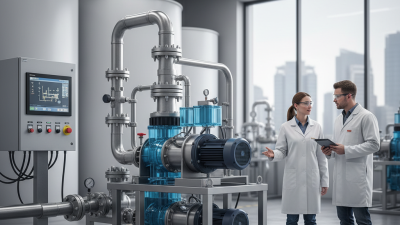
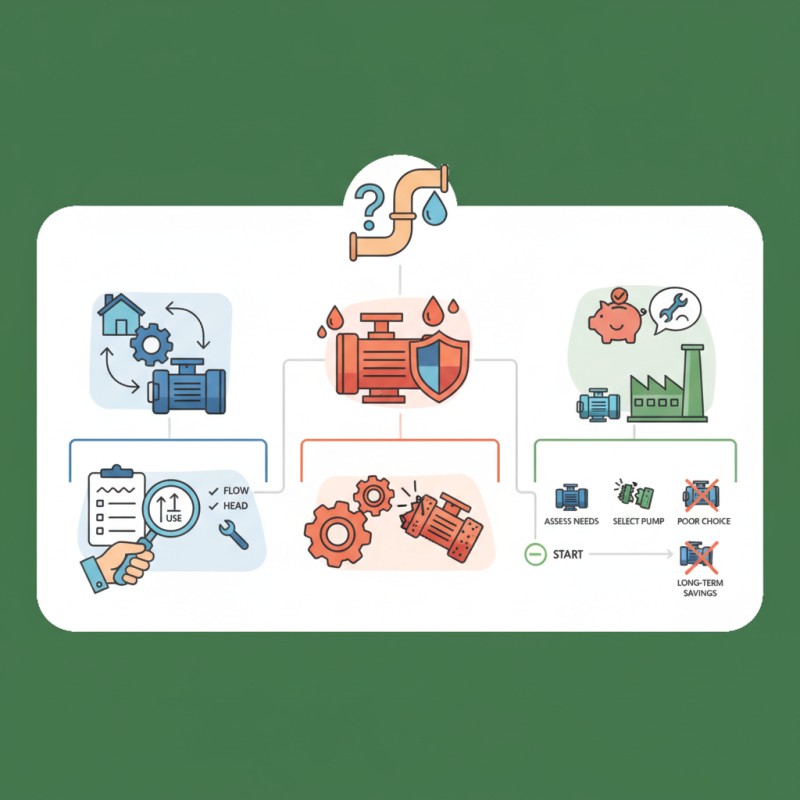
Choosing the right waste water pump is crucial for effective drainage and sanitation. A reliable pump ensures that waste is efficiently removed from different sites. When selecting a waste water pump, consider the specific requirements of your project. Factors like flow rate, head height, and intended use matter significantly.

Many people overlook the importance of pump material and durability. A waste water pump faces harsh conditions. Therefore, the material should withstand corrosion and wear. Additionally, not all pumps are suitable for every application. A residential pump may not suffice for industrial use. Understanding your needs is key, and it may require some trial and error.

Ultimately, selecting the right waste water pump can save money and prevent headaches. Investing in quality pays off in the long run. Remember, a poor choice can lead to frequent repairs and inefficiencies. Take the time to assess your requirements before making a final decision. A thoughtful approach can make a significant difference.
Why Choose the Right Waste Water Pump for Your Needs?

Understanding Waste Water Pump Types and Their Applications

Why Choose the Right Waste Water Pump for Your Needs?

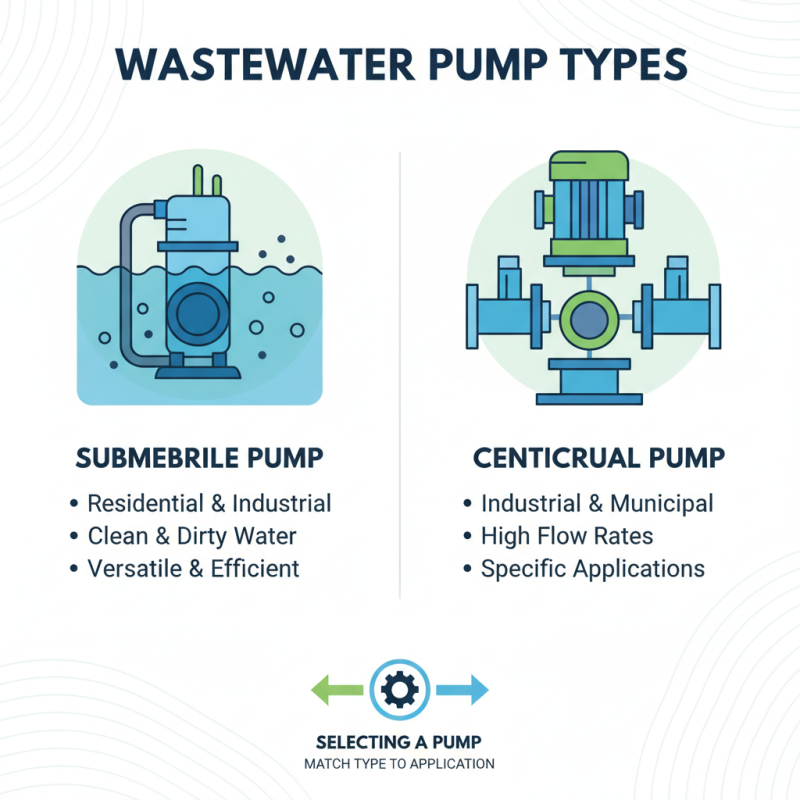
When selecting a waste water pump, it's crucial to understand the various types available. Each type serves different applications and has unique characteristics. Submersible pumps are common in residential uses. They can handle both clean and dirty water efficiently. This versatility makes them popular for both household and industrial purposes.

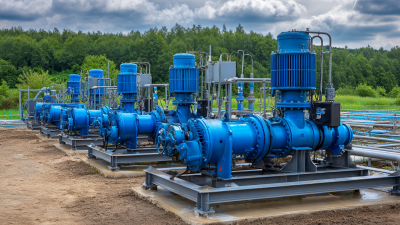
Another common type is the centrifugal pump, widely used in municipal applications. According to industry reports, these pumps account for approximately 40% of the market share in waste water management. They are effective for moving large volumes of water quickly, which is essential during emergencies or heavy rainfall.

A key point to consider is the pump's capacity and head requirements. For instance, a pump might meet flow rate requirements but may not raise water to the necessary height. This mismatch could result in inadequate performance. Understanding the system’s specifics ensures optimal pump selection, reducing future maintenance issues. The goal is to match the pump type with the application, which often requires some trial and error to identify the most efficient solution. Each installation presents its unique challenges, making ongoing assessment essential.

Key Factors to Consider When Selecting a Waste Water Pump

Choosing the right waste water pump can seem daunting. There are key factors to keep in mind. First, assess the pump's capacity. You need to know the volume of water it will handle. This means calculating the flow rate you require. A pump that is too small won't work effectively. Conversely, an oversized pump could lead to inefficiency.

Another important factor is the type of waste water. Is it clear, dirty, or contains solids? Some pumps are better suited for specific wastewater types. Additionally, consider the power source. Do you need an electric or a fuel-powered pump? Each has its advantages and limitations. You should also think about installation requirements. Some pumps need a more complex setup. Poor installation can lead to poor performance.

Don't overlook maintenance needs. Some pumps require regular checks and servicing. This can be time-consuming. Reflect on how much effort you are willing to invest. Finally, assess the durability of materials used in the pump. If you’re in a corrosive environment, specific materials are crucial. Making the right choice involves balancing these factors carefully.

Assessing the Pump's Capacity and Performance Requirements

When selecting a wastewater pump, it’s crucial to assess its capacity and performance requirements. The pump's flow rate is a key factor. According to the Water Environment Federation, many applications need a pump that can handle rates between 200 to 1,200 gallons per minute. However, underestimating this requirement can lead to system failures or inefficiencies.

A pump's head, or the height it can lift water, also matters. Most systems need a head that can handle a minimum of 30 to 50 feet. Industry data indicates that not meeting these specifications can amplify energy costs by 20% or more. This inefficiency stems from a pump working harder than necessary, causing premature wear.

Understanding the fluid characteristics is equally important. Wastewater may contain solids, chemicals, or varying temperatures. For instance, a study by the National Association of Pump Manufacturers highlights that nearly 40% of users overlook how solids can clog pumps. This oversight can lead to costly repairs and downtime. Properly matching a pump to its working conditions ensures longevity and reliable performance.

Evaluating Maintenance Needs and Durability of Waste Water Pumps

When selecting a wastewater pump, maintenance needs and durability are critical factors. A reliable pump requires regular upkeep. Depending on its design, some pumps may need frequent checks. Others can last longer with minimal attention. Understanding the maintenance schedule is essential for keeping the pump operational.

Pumps made from high-quality materials typically show better durability. They can withstand harsh conditions and resist corrosion. Regular inspections help identify wear and tear. Early detection can prevent costly repairs. However, users must be aware that even the most durable pumps can fail. It's vital to have a plan for unexpected breakdowns.

Budget considerations often influence pump choices. Cheaper models might save money upfront but could have higher long-term costs. Waiting for repairs can disrupt operations. Thus, investing in a durable pump may yield better reliability. Consider the trade-offs between initial prices and maintenance costs. Understanding these aspects can lead to better decisions in the long run.

Why Choose the Right Waste Water Pump for Your Needs?

Pump Type Flow Rate (GPM) Max Head (Feet) Material Maintenance Frequency (Months) Durability Rating (Years)
Submersible Pump 30 20 Cast Iron 6 10
Centrifugal Pump 50 30 Stainless Steel 12 15
Diaphragm Pump 15 15 Polypropylene 8 5
Positive Displacement Pump 25 10 Aluminum 10 8

Cost-Benefit Analysis of Different Waste Water Pump Options

Choosing the right wastewater pump is essential for efficiency and cost-effectiveness. A cost-benefit analysis can help you find the best option for your needs. Assessing both performance and price is crucial. Certain pumps might seem cheaper upfront, but they can lead to higher operational costs.

For instance, a low-cost pump may consume more energy. This increased energy usage can result in higher utility bills. Moreover, some budget pumps have shorter lifespans. This means more frequent replacements and additional labor costs. Investing in a reliable pump can save money in the long run.

It's also essential to consider maintenance needs. Some models require regular servicing, which adds to overall costs. An efficient pump will have lower maintenance requirements. Yet, determining the right balance between initial cost and long-term benefits can be challenging. Always account for all variables when making your decision to avoid future regrets.

Company Info

Universal Pumping

625 Apache Trail
Woodstock, GA 30189

Mon - Fri | 9:00 AM - 5:00 PM

Connect With Us

About Universal Pumping

Universal Pumping is staffed with industry professionals with 20-45 years experience with high pressure pumping systems. We represent only the “elite producers” in pump manufacturing: Britain’s EMS and Germany’s EMMERICH. Our engineering and manufacturing approach is conservative, and we do not use “guess work” in the design or sales of our pumping and filtration equipment.