
10 Automatic Transfer Switch Buying Tips

Choosing an Automatic Transfer Switch is not a box-ticking exercise. It means matching equipment to the generator, building, and loads it must support. A switch beside a humming generator may look straightforward, but its rating, transfer method, pole configuration, and control features matter. A mismatch can create nuisance transfers, leave critical circuits unsupported, or complicate maintenance. Small details count.

Electrical educator Mike Holt is a recognized voice in the electrical field. To avoid presenting invented words as his, this guide uses an original principle rather than a direct quotation: “Choose the transfer switch for the system’s real demands, not its best-case assumptions.” Treat that as a buying reminder, not a verbatim statement by Holt. The ten tips ahead examine load capacity, service voltage, switching speed, enclosure rating, compatibility, safety features, certifications, installation needs, support, and lifecycle cost. Check the manufacturer’s documentation and have a qualified professional confirm the application. A brochure can be reassuring. It cannot inspect your site.

There are trade-offs. A feature-rich unit may exceed the project’s needs, while the lowest-priced option may omit useful monitoring or support. Be honest about what you do not know yet. Is the generator sized for starting current? Will the switch serve emergency loads only, or the whole facility? Clear answers make comparison easier. One missed detail can matter. This introduction sets up a practical checklist for choosing an Automatic Transfer Switch with evidence, careful questions, and room to reconsider assumptions.
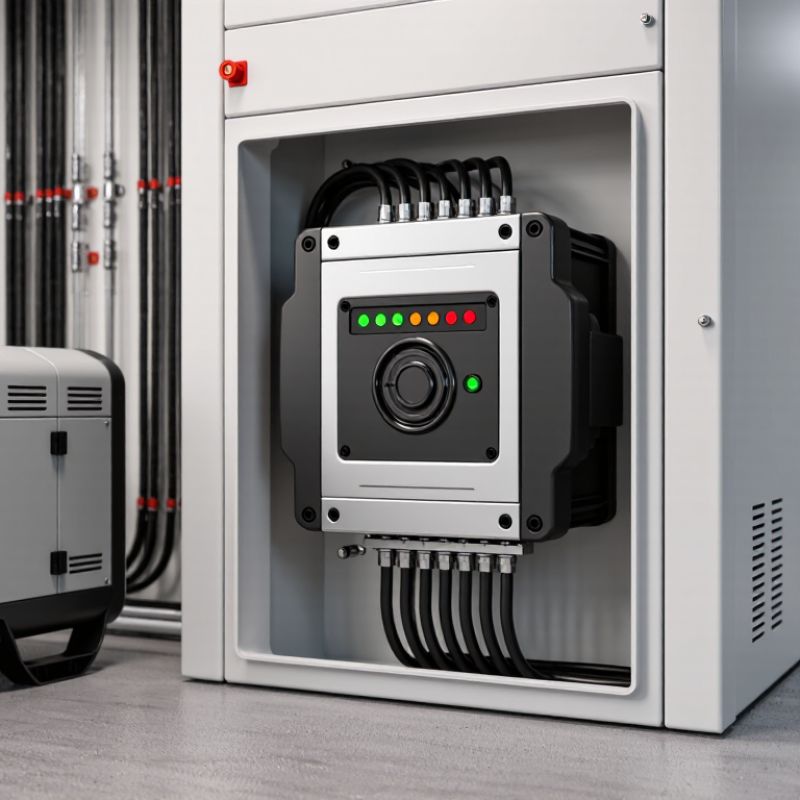
10 Automatic Transfer Switch Buying Tips

Understand How an Automatic Transfer Switch Works

An automatic transfer switch (ATS) monitors the normal power supply and detects when voltage or frequency moves outside its acceptable range. When utility power fails, the switch signals a compatible backup source, such as a generator, to start. Once that source is stable, the ATS moves selected circuits to it. The generator supplies the load; the switch manages the changeover.

That distinction matters. An ATS does not create electricity or guarantee uninterrupted power. With a common open-transition design, there is a brief break while the contacts change. Not magic.

When utility power returns and remains stable, the ATS usually transfers the load back, then allows the generator to cool down before stopping. Timing and functions vary by model, so check the operating manual rather than assuming every switch behaves the same way.

Before choosing one, list the circuits that truly need backup, such as a refrigerator, well pump, or heating controls. Compare their starting currents, not just their running watts. A pump can draw a sharp surge at startup. That detail is easy to miss.

Confirm that the switch matches the source, electrical system, and load capacity, and have a qualified electrician assess installation and protection requirements. I would also ask how the system handles a failed start; a transfer switch cannot help if its backup source never comes online.

Define Your Power, Load, and Transfer-Time Requirements

Before selecting an automatic transfer switch, list the power sources it will connect, such as utility power and a generator. Confirm voltage, phase, and available current for each source. Then identify the loads that must stay powered: perhaps a sump pump, refrigerator, network equipment, or essential lighting. Add their running currents, and account for motor-starting surges. A pump can draw much more current for a moment than it uses while running. Guessing here is risky.

Tip: Check equipment nameplates and manuals, not just estimated wattage. Note each load’s starting demand and how long it can tolerate an interruption. Keep the list nearby when comparing switch ratings.

Transfer time matters as much as capacity. Some equipment can restart after a brief outage; other devices may reset, lose data, or stop critical processes. A short transfer is not automatically necessary for every installation. Consider whether a UPS or other ride-through protection is needed for sensitive electronics. Small details matter. Include control circuits and rarely used loads in your review; these are easy to overlook. Have a qualified electrician verify the load calculation, protection, and compatibility before installation. I may still miss a device during the first inventory, so review the list with the people who use the space.

10 Automatic Transfer Switch Buying Tips - Define Your Power, Load, and Transfer-Time Requirements

# Buying Tip What to Define Practical Selection Check
1 Confirm the electrical system System voltage, frequency, phase, and number of wires, including whether a neutral conductor is required. Match the switch configuration to the installation—for example, a three-phase system may be 208Y/120 V or 480Y/277 V at 60 Hz. Confirm the actual site supply before specifying equipment.
2 Size the switch for the load Continuous load current, expected demand, future expansion, and applicable electrical-code requirements. Choose a rated current that is suitable for the calculated load and installation. Do not size solely from a generator’s advertised output; have a qualified electrical professional verify conductor, overcurrent-protection, and code requirements.
3 Check starting and inrush currents Motor starting current, transformer inrush, and other short-duration load peaks. Review equipment data for motors, pumps, compressors, and transformers. Confirm that the source and switch can handle starting conditions without nuisance trips or unacceptable voltage drop.
4 Specify the source arrangement Which sources will connect to the ATS, such as utility and generator, and which source is preferred during normal operation. Confirm the number of sources, source voltage and frequency, generator capacity, and the intended normal-source priority. Verify that controls can detect the required source conditions.
5 Set an acceptable interruption time The maximum time each load can tolerate without power, including time for the alternate source to become available. Separate generator start-and-warm-up time from the switch’s operating time. Generator-backed transfer commonly involves a delay of seconds or longer; use a UPS or another ride-through method when loads cannot tolerate that interruption.
6 Choose the transition method Whether open, delayed, or closed transition is appropriate for the loads and sources. Open transition transfers by disconnecting one source before connecting the other. Delayed transition adds a neutral interval. Closed transition briefly overlaps sources and requires suitable synchronization, system design, and any required utility approval.
7 Review short-circuit and withstand ratings Available fault current at the installation point and the protection device coordinated with the ATS. Check the ATS short-circuit current rating and its permitted protective-device combination against the site fault study and upstream protection. A qualified designer should verify coordination.
8 Decide how the neutral is handled Whether a solid or switched neutral is required, based on the grounding and source configuration. Generator grounding and bonding arrangements can affect the required ATS pole configuration. Have the grounding design reviewed rather than assuming that every installation uses the same neutral arrangement.
9 Check operating environment and enclosure Indoor or outdoor location, ambient temperature, moisture, dust, corrosion, access, and available wall or floor space. Select an enclosure with an environmental rating suitable for the installation location. Confirm clearances, cable entry, ventilation, and the manufacturer’s specified operating-temperature range.
10 Verify controls, testing, and maintenance needs Transfer-test schedule, alarms, remote monitoring, exercise settings, bypass needs, and service access. Confirm which voltage and frequency thresholds, time delays, status contacts, and communications are required. Document a safe test procedure and ensure qualified personnel can inspect and service the equipment.

Note: Ratings, transfer behavior, installation requirements, and applicable electrical codes vary by equipment and site. Confirm final specifications with the equipment documentation and a qualified electrical professional.

Compare Switch Types, Ratings, and Operating Modes

Automatic transfer switches differ in how they move a load between normal and backup power. An open-transition switch breaks one connection before making the other, so a brief interruption is expected. Closed-transition models overlap sources momentarily and need compatible, synchronized supplies. Delayed-transition types pause between connections, which can help loads that do not tolerate an abrupt transfer. Small detail, big difference.

Compare ratings against the actual installation, not just the generator’s headline output. Check voltage, continuous current, number of poles, and the switch’s short-circuit withstand and closing ratings. These must suit the available fault current and upstream protection. Neutral switching also depends on the grounding arrangement. This is where assumptions get expensive; have a qualified electrical professional verify the design.

Operating modes matter during a real outage and during maintenance. Automatic mode should use clear voltage or frequency thresholds, with sensible delays to ride through brief disturbances. Manual mode provides a direct fallback, while test mode lets staff exercise the sequence without waiting for a storm. Confirm generator warm-up, load-transfer timing, and retransfer behavior. A refrigerator compressor may restart differently from lighting. I would not treat a successful test as proof that every load behaves well; record what starts, what trips, and what needs adjustment.

Check Safety Certifications and Installation Compatibility

An automatic transfer switch handles a critical changeover, so verify its safety certification before comparing features. Check the certification mark and documentation on the exact model, not just the product family. Confirm that the evaluation covers transfer switches and the intended electrical application. Requirements vary by location, so ask a qualified electrician or local inspection authority which approvals apply. A mark on a nearby component does not automatically certify the complete switch. Details matter.

Installation compatibility deserves the same attention. Match the switch to the system voltage, phase, current rating, and number of poles. Check whether the neutral must be switched, especially when the backup source has its own bonding arrangement. That detail is easy to overlook. Compare the switch’s wiring diagram with the generator and service-panel layout, and confirm that terminals accept the installed wire size. Also measure the available wall or cabinet space; a unit that fits electrically may still block a panel door or leave too little room for safe wiring. Paperwork can be tedious, and a quick visual check is tempting. Still, have a licensed professional review the plans and installation instructions before purchase, since small mismatches can mean expensive changes later.

Evaluate Reliability, Support, and Long-Term Costs

A transfer switch can look solid on a specification sheet and still disappoint during a real outage. Ask how its switching sequence is tested, and request documented results for the intended load. Check that its current rating, pole configuration, and operating environment match your installation. Small details matter. A dusty utility room or frequent generator tests can expose weaknesses that a showroom inspection will not.

Reliability also depends on support after installation. Confirm who can diagnose faults, how quickly replacement parts are available, and whether local technicians can service the equipment. A clear wiring diagram and accessible maintenance instructions save time when alarms appear at an inconvenient hour. Ask about warranty coverage, but read the exclusions carefully. They can be easy to miss. Keep a record of inspection dates and test results; it helps identify gradual changes before they become urgent.

Compare long-term costs, not just the purchase price. Include installation, periodic testing, maintenance labor, spare components, and likely downtime. A lower-cost unit may be sensible for a simple, lightly used setup, but that assumption deserves a second look. For critical loads, dependable support and repairable components may justify a higher initial cost. Estimates are never perfect, so leave room in the budget for service needs that only become clear after years of operation.

Company Info

Universal Pumping

625 Apache Trail
Woodstock, GA 30189

Mon - Fri | 9:00 AM - 5:00 PM

Connect With Us

About Universal Pumping

Universal Pumping is staffed with industry professionals with 20-45 years experience with high pressure pumping systems. We represent only the “elite producers” in pump manufacturing: Britain’s EMS and Germany’s EMMERICH. Our engineering and manufacturing approach is conservative, and we do not use “guess work” in the design or sales of our pumping and filtration equipment.