Essential Tips for Choosing the Right Pressure Pumps?

Choosing the right pressure pumps can be challenging. With so many options available, the decision can feel overwhelming. Renowned industry expert, Dr. John Smith, says, “Selecting the right pressure pump is critical for efficiency and performance.” This highlights the importance of knowing what to consider.

Understanding your specific needs is vital. Factors such as flow rate, pressure range, and application type should guide your choice. For instance, residential systems require different specifications than industrial setups. Selecting a pump improperly may lead to inefficiency or even failure.

Also, consider the brand's reputation. Established companies often provide reliable products. However, emerging brands might offer innovative features. Balance is key. Choosing pressure pumps may require research and patience. Keep in mind your unique requirements, and stay informed about industry developments.
Essential Tips for Choosing the Right Pressure Pumps?

Understanding the Different Types of Pressure Pumps Available

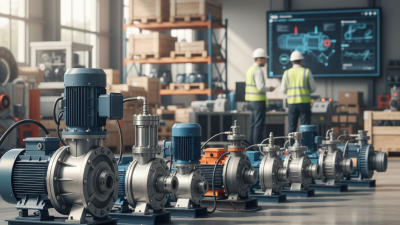
When selecting a pressure pump, understanding the types available is crucial. There are centrifugal pumps, diaphragm pumps, and gear pumps, each serving specific purposes. Centrifugal pumps are ideal for high flow rates. They effectively move large volumes of liquids but may struggle with viscous fluids. Diaphragm pumps excel in handling slurries or corrosive substances, offering great flexibility. However, they often have lower flow rates, which might not suit every application.

Gear pumps are another option. They excel in maintaining a steady flow and can handle thick fluids. These pumps can be more complex to maintain. Choosing the right pump requires careful evaluation of your specific needs. Not everyone understands that factors like viscosity and flow rate impact performance. Sometimes users may underestimate the importance of compatibility with the fluid being pumped, leading to inefficiencies.

Reflecting on these details can reveal the complexities of pump selection. Each type has its strengths and drawbacks. The key is to balance these factors with your requirements. The wrong choice can lead to operational challenges. Therefore, take the time to understand the nuances before deciding.
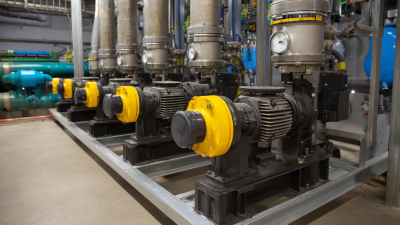
Types of Pressure Pumps and Their Applications

Evaluating Your Specific Industrial or Domestic Needs

When evaluating your specific industrial or domestic needs for pressure pumps, begin by identifying the water pressure requirements. For household use, consider how many faucets or appliances will run simultaneously. This can dictate pump size and capacity. In industrial settings, the demand can vary greatly based on machinery and processes. Understanding these needs is crucial in making the right choice.

Another critical factor is the liquids you will be handling. Are they clean water, chemicals, or slurries? Different pumps are designed for various substances. Ensure the material is compatible with your pump.

It’s important to evaluate available power sources as well. Electric pumps may be ideal for residential areas, but diesel or gas options might be necessary for remote locations. Reflect on your energy requirements. Energy-efficient pumps can save on operational costs in the long run. Be prepared for maintenance as well; regular checks can prolong pump life, but they do require time and attention.

Key Factors to Consider When Selecting Pressure Pumps

When selecting pressure pumps, consider flow rate as a primary factor. Flow rate determines how much fluid can be moved within a specific period. Industry studies reveal that around 30% of pump failures stem from improper flow rate selection. Understanding your system's requirements is essential. The desired flow rate should match the pump capacity to prevent inefficiencies.

Next, assess the fluid type that the pump will handle. Different fluids have unique characteristics that impact pump performance. For example, viscous liquids may require pumps designed specifically for thick fluids. Reports suggest that using the wrong pump type can increase maintenance costs by over 20%. Always check viscosity, temperature, and chemical composition for the best match.

Lastly, durability and efficiency must not be overlooked. A reliable pump can operate effectively for years, minimizing downtime. Look for designs that offer energy efficiency to lower operational costs. Pumps using advanced materials may last longer and perform better in harsh conditions. However, remember that investing in high-performance models requires a careful analysis of your budget and needs.

Analyzing Efficiency and Performance Ratings of Pressure Pumps

When selecting pressure pumps, efficiency and performance ratings play a crucial role. According to a recent industry report, the optimal efficiency for pressure pumps ranges between 70% to 90%. This means that the most effective pumps convert a significant portion of energy into usable pressure. In real applications, however, many pumps fall below this standard due to design flaws or improper installation.

Performance ratings are not just numbers; they reflect the pump's capability under varying conditions. A comprehensive analysis shows that pumps with higher flow rates often sacrifice pressure. Choosing a pump requires understanding the needed balance. Data indicates that a pump with a flow rate of 25 GPM at 60 PSI may outperform a 30 GPM model at lower pressure in specific tasks.

Monitoring and maintenance are often overlooked. Regular checks can reveal energy inefficiencies. Some users report up to a 20% drop in efficiency over time due to wear and tear. This emphasizes the necessity of routine evaluations to ensure pumps maintain their performance. Assessing efficiency and behavior in real-world scenarios can help in making informed decisions.

Budgeting for Your Pressure Pump Investment: Costs and Maintenance

When budgeting for a pressure pump, consider both initial costs and ongoing maintenance. For many homeowners and businesses, pressure pumps are an investment that shouldn't be taken lightly. Prices can vary widely based on the pump's capacity and features. A basic pump may cost a few hundred dollars, while more advanced models can exceed a thousand. It's crucial to balance quality and price to avoid future issues.

Maintenance costs can catch you off guard. Regular servicing is key to prolonging the life of your pump. Set aside funds for potential repairs, as wear and tear are inevitable. A well-maintained pump can save you money in the long run. Be aware of signs that indicate problems, such as unusual noises or fluctuations in water pressure. Ignoring these can lead to costly repairs down the line.

It's also wise to think about the energy efficiency of your chosen pump. Operating costs can add up, especially for more extensive systems. Investing in energy-efficient models may have a higher upfront cost, but they can lead to lower electricity bills. Researching and planning your budget can make a significant difference in overall satisfaction with your pressure pump choice.

Essential Tips for Choosing the Right Pressure Pumps

Pump Type Average Cost ($) Maintenance Frequency (Months) Lifespan (Years) Energy Efficiency (%)
Centrifugal Pump 800 - 2,000 12 10 - 15 85
Positive Displacement Pump 1,500 - 3,500 8 15 - 20 80
Submersible Pump 600 - 1,500 6 5 - 10 75
Diaphragm Pump 1,200 - 3,000 9 10 - 15 82
Gear Pump 900 - 2,200 10 10 - 12 78

Company Info

Universal Pumping

625 Apache Trail
Woodstock, GA 30189

Mon - Fri | 9:00 AM - 5:00 PM

Connect With Us

About Universal Pumping

Universal Pumping is staffed with industry professionals with 20-45 years experience with high pressure pumping systems. We represent only the “elite producers” in pump manufacturing: Britain’s EMS and Germany’s EMMERICH. Our engineering and manufacturing approach is conservative, and we do not use “guess work” in the design or sales of our pumping and filtration equipment.