10 Essential Tips for Optimizing Pump Systems Efficiency

Pump systems play a critical role in various industries, including water treatment, oil and gas, and manufacturing. According to the U.S. Department of Energy, pump systems account for approximately 20% of global electricity consumption. Improving their efficiency can lead to significant energy savings and reduced operational costs. However, many facilities overlook simple optimization techniques that can enhance performance.

Efficient pump systems are crucial for sustainability and cost reduction. Data from the Hydraulic Institute indicates that poorly maintained pumps can waste up to 50% of their energy. Implementing essential optimization tips can mitigate these challenges. For instance, regularly assessing the system and ensuring proper sizing can lead to noticeable improvements.

Industry reports suggest that organizations fail to prioritize pump performance assessments. This neglect can hinder progress toward energy efficiency goals. In a world increasingly focused on sustainability, optimizing pump systems is not just beneficial; it is essential for long-term viability and competitiveness.
10 Essential Tips for Optimizing Pump Systems Efficiency

Understanding Pump System Components and Their Roles

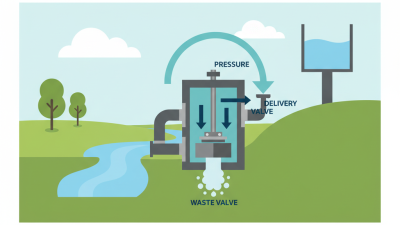
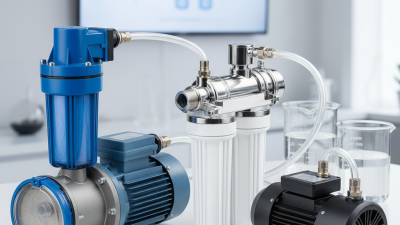
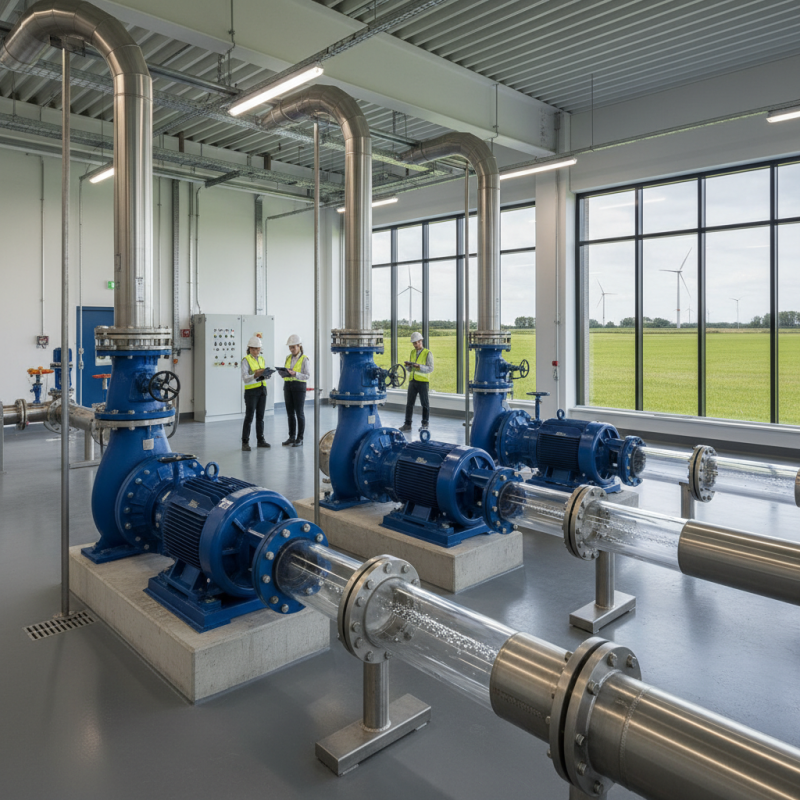
To optimize pump system efficiency, understanding the components is crucial. Each part plays a vital role in the overall operation. For instance, pumps convert mechanical energy into fluid energy. They ensure fluids flow smoothly through the system.

A recent industry report suggests that up to 30% of energy is wasted in poorly managed systems. This highlights the importance of regularly maintaining pumps. Always check for wear and tear on impellers and seals. Replace them promptly to avoid efficiency losses.

Water treatment facilities could benefit greatly from efficient pump systems. A simple adjustment in pump speed can lead to significant energy savings. Consider using variable frequency drives to optimize performance. These drives adjust the motor speed according to the demand, cutting energy use by up to 50%. Regularly revisiting your pump system design can identify areas for improvement.

10 Essential Tips for Optimizing Pump Systems Efficiency

Tip Number Tip Title Description Expected Efficiency Gain
1 Regular Maintenance Conduct regular inspections and maintenance to prevent breakdowns. 10-15%
2 Proper Sizing Ensure pumps are correctly sized for their applications to avoid inefficiencies. 15-20%
3 Use Variable Frequency Drives Implement VFDs to adjust pump speed based on demand. 25-30%
4 Optimize Piping Layout Design piping to minimize bends and restrictions for better flow. 10-15%
5 Monitor System Performance Regularly check performance metrics to identify areas for improvement. 5-10%
6 Evaluate Pumping Cycles Analyze and adjust pumping cycles to enhance efficiency. 15-25%
7 Implement Energy Efficiency Standards Adopt industry standards to improve overall energy use. 20-30%
8 Use High-Efficiency Pumps Replace old pumps with high-efficiency models for better performance. 20-35%
9 Train Operating Personnel Provide training to operators to enhance their understanding of system operations. 5-10%
10 Review Control Systems Evaluate and upgrade control systems to improve monitoring and efficiency. 15-20%

Assessing Current Pump System Efficiency and Performance Metrics

Assessing the efficiency of pump systems begins with data collection. You need to measure flow rates, pressure, and power consumption. Accurate readings help identify performance trends. Lack of reliable data can skew your assessment conclusions. Inconsistent metrics may lead to misguided decisions.

Understanding the system's current state is vital. Are your pumps operating within the design specifications? Performance metrics should reveal inefficiencies, but they often don't. Sometimes, the data tells a different story than what you expect. Analyzing these details can uncover hidden issues, such as cavitation or air leaks.

Regular maintenance schedules can also impact performance metrics. Neglected pumps often show reduced efficiency over time. This can result in higher operational costs. It's essential to reflect on your current practices and make necessary adjustments. Effective monitoring and constant adjustments can significantly enhance pump system efficiency.

Implementing Regular Maintenance Practices for Optimal Function

Regular maintenance practices are crucial for optimizing pump systems' efficiency. Research from the Hydraulic Institute shows that proactive maintenance can lead to energy savings of up to 20%. Simple actions like inspecting seals and bearings can prevent costly failures. These small steps often go unnoticed until problems arise, leading to unplanned downtime. In the long run, consistent checks can save both time and money.

Implementing a maintenance schedule enhances reliability. Yet, many operators neglect this. A study revealed that 25% of pumps fail due to lack of proper upkeep. Keeping records of maintenance activities helps identify patterns. Over time, this data can guide improvements in operational practices. Parts wear out, and neglecting them can lead to inefficiencies that might not be apparent immediately.

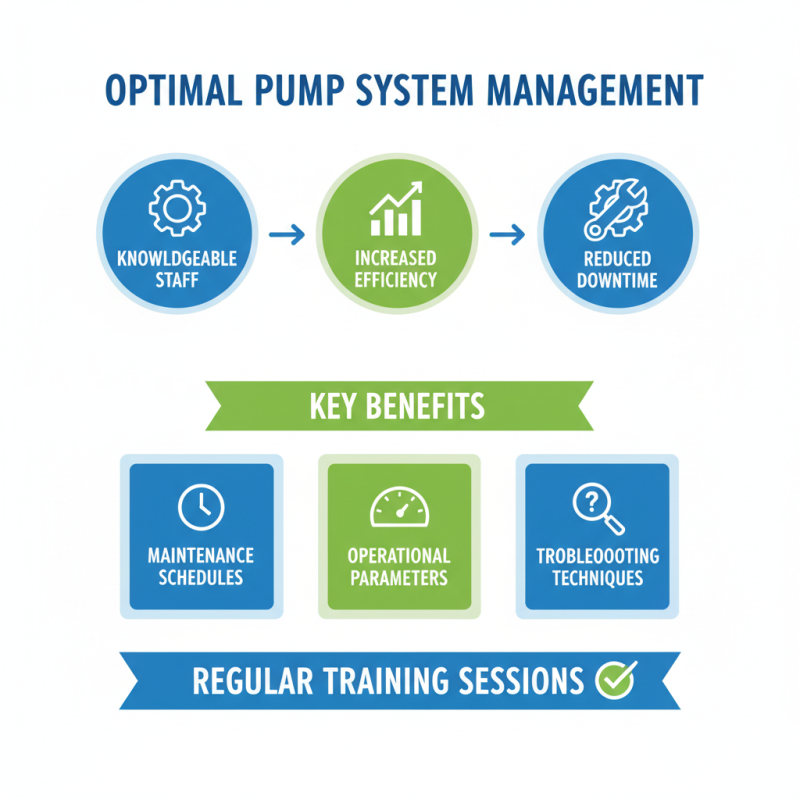
Additionally, training staff on maintenance protocols fosters a culture of accountability. Knowledge gaps can lead to mistakes and missed opportunities for efficiency gains. Investing in training pays off. Inadequate maintenance leads to decreased performance and increased operational costs. It's a cycle that must be broken with disciplined practice and awareness of the system's needs.

Utilizing Advanced Technologies to Enhance Pump System Efficiency

Pump systems play a crucial role in various industries, yet many still operate below optimal efficiency. Advanced technologies, like smart sensors and automation, can greatly enhance performance. For instance, real-time monitoring can identify inefficiencies. These sensors collect data on flow rates, pressure, and energy usage. Connecting this data to an intelligent control system allows for immediate adjustments, leading to more efficient operations.

Another impactful advancement is variable frequency drives (VFDs). They adjust pump speed based on demand, which can significantly reduce energy consumption. However, implementing VFDs requires careful planning and analysis. If not properly calibrated, they can lead to more issues, like cavitation. Regular maintenance of these systems is essential.

Incorporating predictive maintenance through data analytics can also prevent unexpected failures. By analyzing historical data, operators can anticipate and address potential problems. Yet, reliance on technology alone is not enough. Operators must remain engaged, questioning and challenging the system’s outputs. This balance between technology and human oversight is vital for the true optimization of pump systems.

10 Essential Tips for Optimizing Pump Systems Efficiency

This chart illustrates the impact of various optimization techniques on pump system efficiency. Each bar represents the percentage improvement in efficiency gained from implementing advanced technologies and best practices.

Training Personnel on Best Practices for Pump System Management

10 Essential Tips for Optimizing Pump Systems Efficiency

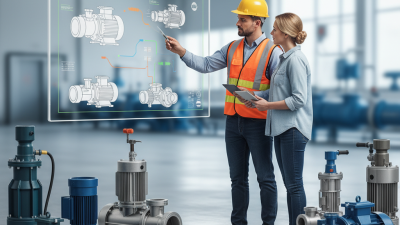
Training personnel on best practices for pump system management is crucial. Knowledgeable staff can make significant differences in efficiency. Regular training sessions can help employees understand the various components of pump systems. This includes maintenance schedules, operational parameters, and troubleshooting techniques.

Practical experience during training is vital. Employees should engage in hands-on activities. For instance, they can partake in mock troubleshooting scenarios. Such simulations prepare them for real-world challenges. Learning from mistakes is equally important. Employees must feel comfortable discussing failures and misconceptions. Sharing these experiences fosters a culture of continuous improvement.

Moreover, implementing a feedback loop after training sessions helps identify gaps. Gathering input from staff about their training experience is essential. It highlights areas that need further emphasis, ensuring that every team member feels confident. Regular assessments can further enhance their skills. This proactive approach often leads to better management of pump systems and improved overall efficiency.

Company Info

Universal Pumping

625 Apache Trail
Woodstock, GA 30189

Mon - Fri | 9:00 AM - 5:00 PM

Connect With Us

About Universal Pumping

Universal Pumping is staffed with industry professionals with 20-45 years experience with high pressure pumping systems. We represent only the “elite producers” in pump manufacturing: Britain’s EMS and Germany’s EMMERICH. Our engineering and manufacturing approach is conservative, and we do not use “guess work” in the design or sales of our pumping and filtration equipment.