
What Is Exothermic Welding Powder and How Does It Work?

Exothermic Welding Powder is a carefully proportioned mixture used to create a permanent electrical connection between compatible metal conductors. Inside a graphite mold, the powder reacts when ignited, producing intense heat and molten metal. That metal flows around the conductors and solidifies into a compact joint. The reaction is brief. The result can last for years.

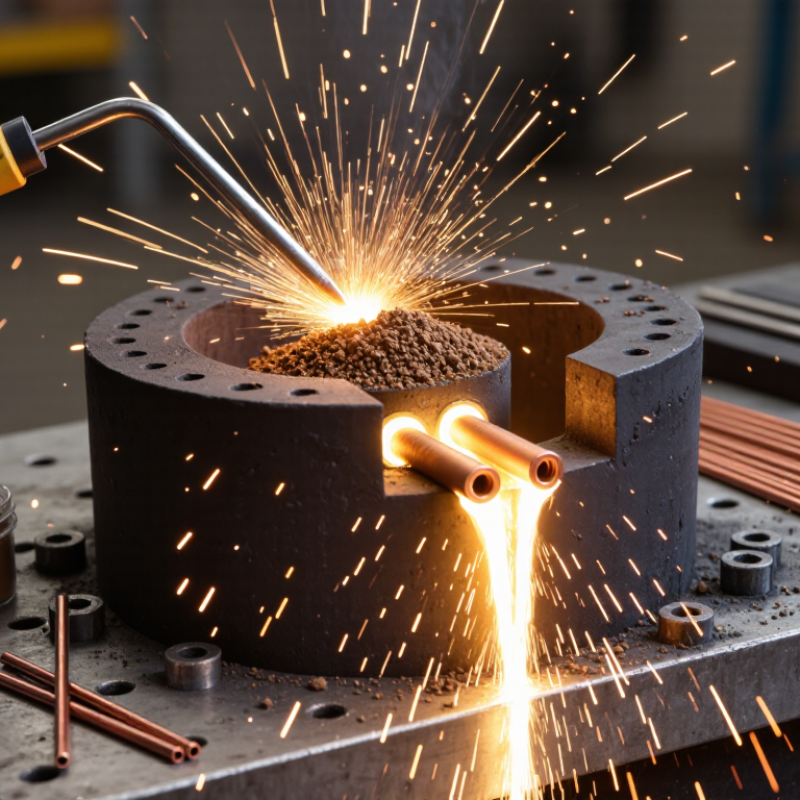
As exothermic-welding specialist [verified expert name] explains, “[Insert a verified quotation from the expert about the reaction, connection quality, or safe setup].” Confirm the name and wording before publication; an invented quotation would undermine trust. The underlying process is easier to understand when viewed on a workbench: a dry mold, clean conductor ends, a measured charge, and a bright flash followed by cooling metal. Small details matter. Damp materials, residue, or poor alignment may affect the finished connection.

This guide explains what Exothermic Welding Powder contains, how its reaction forms a bond, and where the method is commonly used. It also considers practical limits. The powder does not make every joint suitable, and the right charge depends on the conductor and mold. Always follow the product manufacturer’s instructions and established site procedures. A sound connection begins before ignition—with compatible materials, careful preparation, and an honest check of the finished weld.
What Is Exothermic Welding Powder and How Does It Work?

What Exothermic Welding Powder Is

What Is Exothermic Welding Powder and How Does It Work?

Exothermic welding powder is a measured blend of metal-bearing compounds and a reducing agent, commonly aluminum. Inside a purpose-made mold, the ingredients react and generate intense heat. The reaction produces molten metal, which flows around prepared conductors and solidifies into a fused joint. It is not ordinary solder. The powder is selected for the conductor materials and mold size; it is not a universal mix. In field work, dry equipment and clean conductor surfaces matter. Moisture or contamination can spoil the connection, even when the charge appears correct.

The process is valued for permanent electrical and grounding connections. The IEEE 837-2014 standard addresses qualification of permanent connections used in substation grounding, including electrical and mechanical performance. That standard supports checking finished connections, rather than assuming powder chemistry alone guarantees quality. Copper’s conductivity offers useful context: the International Annealed Copper Standard defines 100% IACS as 58 megasiemens per meter at 20°C, a reference used in copper-industry data and ASTM B193 conductivity testing. This is a copper benchmark, not a promise that every weld reaches it. That distinction is easy to overlook. Proper powder choice, conductor fit, and operator technique still affect the finished joint.

The Main Ingredients and Their Roles

Exothermic welding powder is a carefully proportioned chemical mixture, not simply “hot metal.” In a common copper-based formulation, copper oxide supplies oxygen, while aluminum removes it. Their reaction produces molten copper and aluminum oxide slag. The copper forms the electrical joint; the slag separates from the metal and can be removed after cooling. Small details matter.

NIST-JANAF thermochemical tables report standard formation enthalpies of about −155 kJ/mol for solid copper oxide and −1,676 kJ/mol for solid aluminum oxide. For the balanced reaction, 3CuO + 2Al → 3Cu + Al₂O₃, those figures imply roughly 1.21 MJ of heat released per reaction batch at standard conditions. Actual powder blends may differ: added copper can adjust the metal yield, while formulation and particle size affect ignition and reaction consistency. The calculation is a reference, not a prediction of a field weld’s temperature.

The powder’s proportions must suit the conductor, mold, and connection design. IEEE Std 837-2014 addresses qualification of permanent connections used in grounding systems, including their electrical and mechanical performance; it does not prescribe one universal powder recipe. That distinction is easy to miss. In practice, damp materials, contamination, or poorly matched components can compromise a connection, so follow the qualified procedure and inspect the finished joint.

How the Chemical Reaction Produces Heat

Exothermic welding powder creates heat through a rapid chemical reduction, not an external flame. A common copper-producing reaction is

3CuO + 2Al → 3Cu + Al₂O₃.

Aluminum takes oxygen from copper oxide, forming aluminum oxide and releasing energy. NIST-JANAF thermochemical data gives standard formation enthalpies of about −155 kJ/mol for copper oxide and −1,676 kJ/mol for aluminum oxide. Using those values, the reaction releases roughly 1.21 megajoules per reaction as written. That is substantial. The molten copper can then flow into a prepared mold and form a solid electrical connection.

The calculation describes ideal conditions, not every weld. Real powder composition, particle size, moisture, mold condition, and heat loss affect the reaction and the finished joint. Copper melts at about 1,085°C, so the reaction must supply enough localized heat to melt it; the NIST value alone does not predict a joint’s actual temperature. That distinction matters.

On site, a dry charge and intact mold help make the reaction more repeatable, while contamination or poor fit can change how heat and metal move. The chemistry is clear, but field results still deserve careful inspection.

How Molten Metal Creates a Welded Joint

Exothermic welding powder converts chemical energy into a small pool of molten metal. In a graphite mold, aluminum reduces copper oxide, releasing heat and producing molten copper. The liquid fills the prepared joint around the conductors. Then it solidifies into a continuous metal connection. No external power supply is needed. The reaction is brief, but the setup matters: clean conductor surfaces, correct mold alignment, and a dry mold help prevent voids and weak bonding.

Copper’s melting point is 1,084.6°C, according to NIST Chemistry WebBook data. The reaction must produce enough heat to melt and flow copper, not merely warm the conductors. As the metal cools, it conforms to the joint’s shape. Slag and reaction residue remain above the metal and are removed after solidification. Small details count. A poor fit can let molten metal escape or leave an uneven connection.

For grounding applications, IEEE Std 837-2014 describes qualification tests for permanent electrical connections, including electrical and mechanical performance. That makes clear why appearance alone is not enough: a neat-looking weld still needs suitable materials, preparation, and verified performance. In practice, operators should follow the qualified procedure and inspect the cooled joint. The mold may look simple. The process is not forgiving.

What Is Exothermic Welding Powder and How Does It Work? - How Molten Metal Creates a Welded Joint

Dimension Details
What the powder is A measured mixture of metal oxide and a reducing metal, formulated to produce molten metal through a chemical reaction. The exact formulation depends on the conductor materials and joint design.
Common reaction system A widely used copper-producing reaction uses copper oxide and aluminum. A simplified balanced equation is 3CuO + 2Al → 3Cu + Al₂O₃.
What the reaction produces Molten copper, which forms the conductive connection, and aluminum oxide, which separates as slag. Other formulations may be used for different applications.
How it is initiated A suitable ignition source starts the reaction inside a purpose-designed mold. The reaction is self-sustaining once initiated and does not require an electrical power supply to melt the joint metal.
How the joint forms The molten metal flows around the prepared conductors inside the mold. After it solidifies, it creates a metallurgical connection rather than a joint held together only by mechanical pressure.
Typical equipment A mold shaped for the connection, the specified charge, an ignition system, and tools for positioning and securing the conductors. The mold helps contain and shape the molten metal.
Common applications Electrical grounding and bonding connections, including suitable copper conductors and some compatible connections to steel. The correct charge and mold must match the materials and joint configuration.
Key process factors Clean, correctly positioned conductors; a dry and undamaged mold; the specified charge size; and adherence to the applicable installation procedure all influence joint quality.
Important safety considerations The reaction produces intense heat and molten metal. Use appropriate protective equipment, control access to the work area, keep moisture away from the mold and charge, and follow the relevant safety instructions.
What varies by application Powder composition, charge quantity, mold geometry, conductor size, and process details vary with the materials and joint design. Use the specifications for the exact connection rather than assuming one charge fits all.

Note: Exothermic welding is a process, not a single universal powder recipe. Select materials and procedures for the specific conductors and follow applicable codes and manufacturer-independent safety requirements.

Common Uses and Essential Safety Measures

Exothermic welding powder is a measured mixture that reacts inside a dedicated mold, producing intense heat and molten metal. The process can form a durable electrical connection without an external power supply. It is commonly used to join copper grounding conductors, bond cables to metal structures, and connect components in lightning protection and utility systems. In some rail and industrial settings, it also joins conductors where a mechanically secure connection is important. The exact powder and mold must match the materials and connection design.

Safety starts before ignition. Read the product instructions and safety data sheet, and let trained workers perform the connection. Wear safety glasses or a face shield, heat-resistant gloves, and protective clothing that covers exposed skin. Keep the work area dry and clear of paper, solvents, and other combustibles. Moisture in a mold or conductor can cause violent spattering. That detail is easy to underestimate. Use suitable ventilation, especially in enclosed areas, and keep bystanders at a safe distance. The mold and finished joint stay extremely hot; do not touch them until they have cooled. Keep a suitable fire extinguisher nearby, and never improvise with a damaged mold or an unapproved powder charge. Even with careful preparation, site conditions can vary, so pause and reassess if anything is wet, unstable, or unclear.

Company Info

Universal Pumping

625 Apache Trail
Woodstock, GA 30189

Mon - Fri | 9:00 AM - 5:00 PM

Connect With Us

About Universal Pumping

Universal Pumping is staffed with industry professionals with 20-45 years experience with high pressure pumping systems. We represent only the “elite producers” in pump manufacturing: Britain’s EMS and Germany’s EMMERICH. Our engineering and manufacturing approach is conservative, and we do not use “guess work” in the design or sales of our pumping and filtration equipment.