What is a Filter Press Pump and How Does it Work?

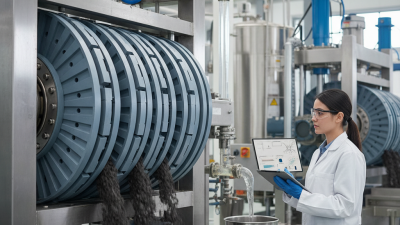
A filter press pump is a critical component in many industrial processes. It effectively removes solids from liquids, leading to cleaner solutions. According to John Smith, a renowned expert in the field, "A reliable filter press pump can significantly improve efficiency and reduce waste."

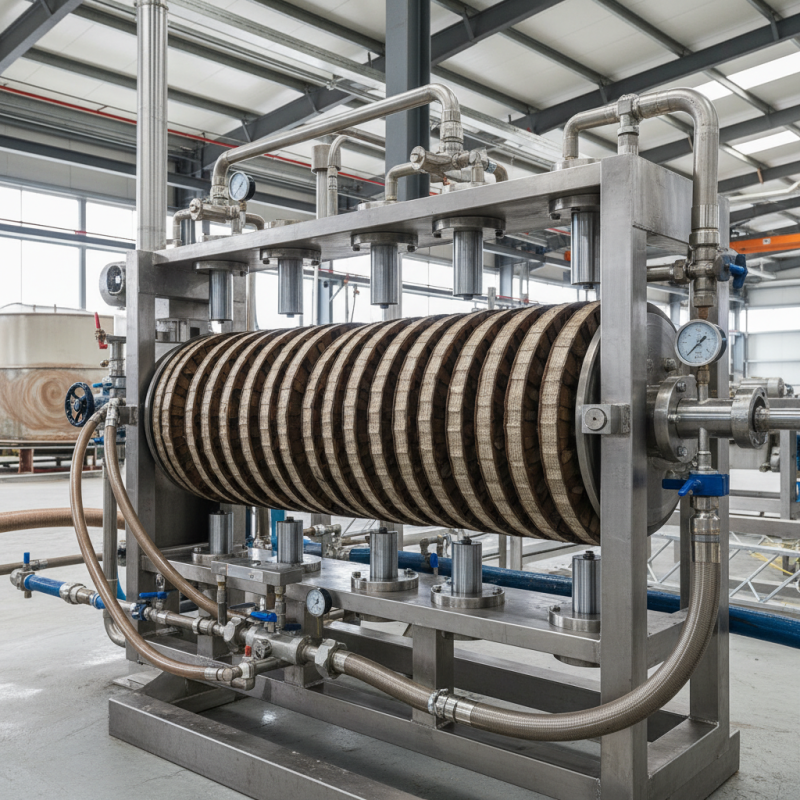
Filter press pumps function by applying high pressure to push the liquid through a filter medium. This process separates the solid from the liquid, making it essential in sectors like wastewater treatment. Yet, not all filter press pumps perform equally. Some may underperform due to improper maintenance or design flaws. Regular checks are crucial for optimal operation.

Incorporating a filter press pump can bring about substantial benefits. However, users should remain cautious of potential pitfalls. Understanding the technology and its limitations is vital. Investing in quality pumps and training personnel is a step towards better results. Each component plays a role in the effectiveness of a filter press pump.
What is a Filter Press Pump and How Does it Work?

What Is a Filter Press Pump and Its Role in Industrial Filtration?

What is a Filter Press Pump and How Does it Work?

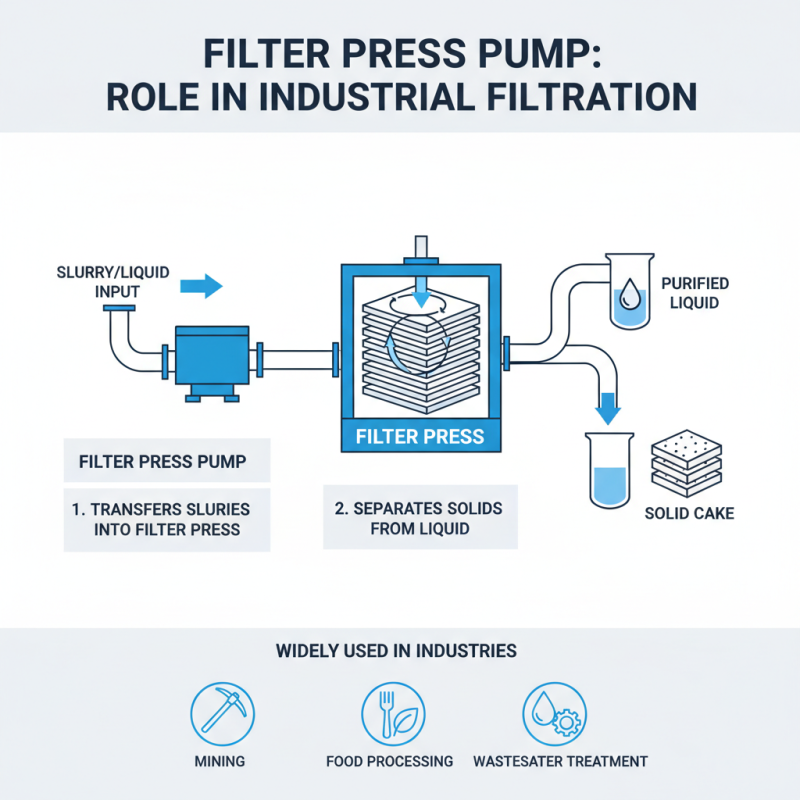
A filter press pump is essential for industrial filtration processes. Its primary role is to transfer slurries and liquids into a filter press. The filter press then separates solid particles from the liquid, creating a cake of solids and purified liquid. This process is widely used in industries such as mining, food processing, and wastewater treatment.

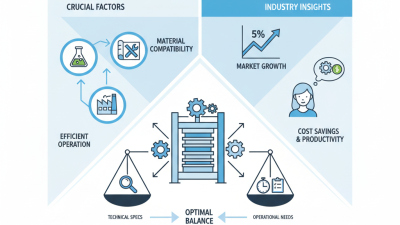
One important point to consider is the pump's capacity. It needs to match the filter press's requirements. If the pump is too small, it can lead to inefficient filtration. A pump that is too large may cause damaging pressure surges. Understanding the specific needs of your operation is crucial.

Tips: Regular maintenance of the pump is vital. A worn-out pump can affect filtration quality. Monitor the pump for unusual noises or vibrations. These could indicate underlying issues requiring attention. Also, ensure that the piping is free from blockages to maintain optimal flow.

In some cases, the operator may face challenges. Sludge consistency may fluctuate, impacting performance. Operators should adjust the pump speed accordingly. Additionally, ensure the filter cloths are properly installed. Any misalignment can lead to leaks, wasting valuable resources. Being proactive can save time and improve efficiency in the long run.
Key Components of a Filter Press Pump: Understanding the Mechanism

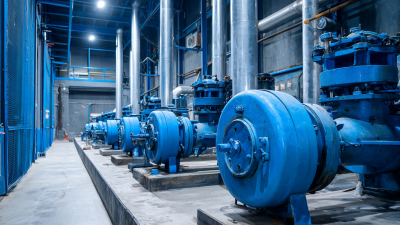
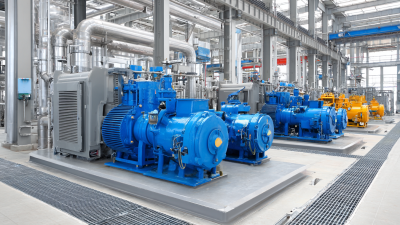
Filter press pumps are vital in various industrial applications. They play a crucial role in liquid-solid separation. Understanding their key components helps appreciate how they function effectively.

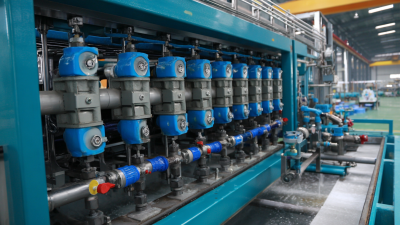
At the core of a filter press pump is the pump itself. It drives the slurry into a filter press. Slurry typically contains water and solid particles. The pump's pressure creates the force needed for this process. Next, filters are a key component. They are usually made of fabric or metal. These filters trap solid particles while allowing liquid to pass. Over time, the filter can become clogged, affecting performance. Regular maintenance is necessary to ensure efficient operation.

The control system regulates the pump's performance. It monitors pressure and flow rates. If the pressure becomes too high, the system can adjust automatically. Sometimes, this can lead to unnecessary wear or leaks. Operators need to be vigilant. Addressing these issues promptly is essential to avoid downtime. Understanding the interplay of these components is key to mastering the operation of filter press pumps.

How Filter Press Pumps Function: Step-by-Step Operational Process

Filter press pumps play a crucial role in various industries. They help treat wastewater and separate solids from liquids. Understanding how these pumps operate is essential for effective use.

The process begins with the pump drawing in slurry from a storage tank. This slurry typically contains a mix of water and solids. Once the slurry enters the pump, it is pressurized. This pressure forces the slurry through a series of filter plates. The filter plates allow the liquid to pass while retaining the solid particles.

As the operation continues, the filter cake builds up on the plates. This can sometimes lead to clogging. Operators must monitor the system closely. If pressure builds too high, adjustments are necessary. Regular maintenance can help, but it also requires careful inspection to ensure the system runs smoothly. Understanding these details can prevent significant issues down the line.

What is a Filter Press Pump and How Does it Work?

Dimension Description
Pump Type Positive Displacement Pump
Operating Principle Moves slurry by using a reciprocating mechanism to create pressure.
Applications Used in mineral processing, wastewater treatment, and chemical industries.
Key Components Pump housing, impeller, motor, hydraulic system.
Working Cycle Steps Fill, Press, Discharge, and Clean.
Advantages Efficient solid-liquid separation, minimal operator handling, and scalability.
Maintenance Regular inspection, lubrication, and parts replacement.

Advantages of Using Filter Press Pumps in Various Industries

Filter press pumps are essential in various industries due to their efficiency in separating solids from liquids. These pumps facilitate a crucial process that helps in waste management and resource recovery. They use hydraulic pressure to force slurry through the filter plates, allowing liquid to escape while solids remain trapped. This operation is vital for industries such as mining, food processing, and wastewater treatment.

One major advantage of using filter press pumps is the significant reduction in waste. They maximize the recovery of valuable materials while minimizing environmental impact. In food processing, for instance, they help to obtain clear juices and oils while separating undesirable solids. However, the performance of filter press pumps can be inconsistent. Factors like slurry composition and pump maintenance often challenge their effectiveness. Proper monitoring and adjustments are necessary to improve output quality.

Moreover, filter press pumps often require skilled operators for optimal efficiency. Training can be an ongoing challenge. Companies must invest time in their workforce to ensure smoother operations. Although these pumps offer numerous benefits, organizations must remain vigilant to address potential shortcomings. Understanding these aspects can lead to better decision-making when selecting filtration technology.

Usage of Filter Press Pumps Across Various Industries

Performance Metrics: Efficiency and Capacity of Filter Press Pumps

What is a Filter Press Pump and How Does it Work?

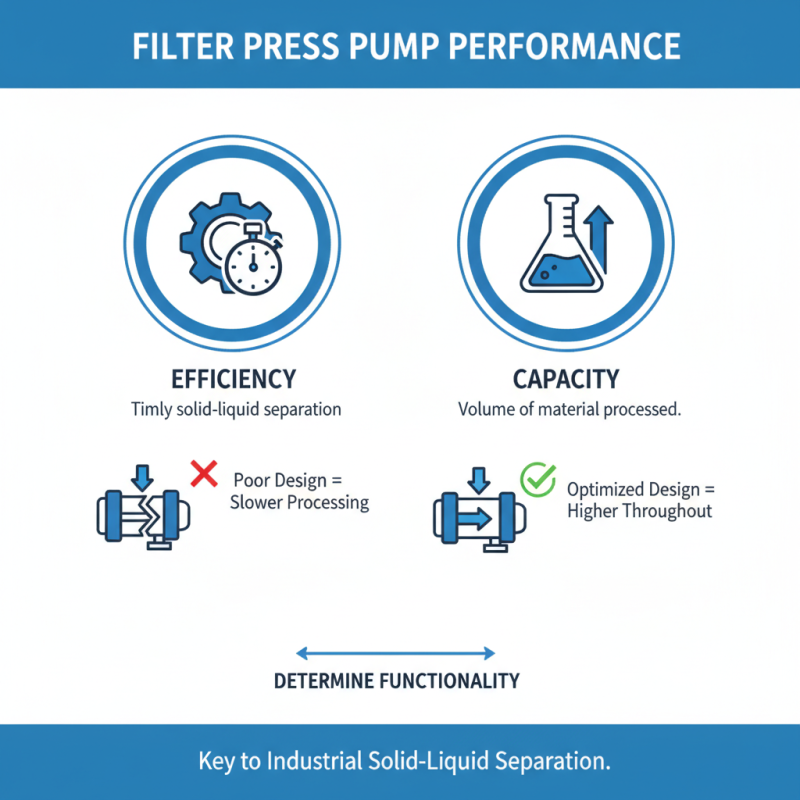
Filter press pumps are vital in various industries, efficiently separating solids from liquids. Their performance metrics, particularly efficiency and capacity, determine how well they function. Efficiency refers to the pump's ability to produce the desired results in a timely manner. Inadequate design can hinder this, leading to slow processing times.

Capacity plays a significant role as well. It indicates the volume of material a pump can handle at once. A filter press pump with low capacity may require longer operational hours. This inefficiency could result in increased energy costs and labor. Many operators overlook this aspect, affecting profitability.

The interplay between efficiency and capacity encapsulates the essence of a filter press pump. Balancing these factors can be challenging. Operators might find themselves adjusting settings frequently. This trial-and-error approach often leads to frustration. Continuous monitoring and assessment are essential for improvement. Identifying these imperfections allows for better pump performance over time.

Company Info

Universal Pumping

625 Apache Trail
Woodstock, GA 30189

Mon - Fri | 9:00 AM - 5:00 PM

Connect With Us

About Universal Pumping

Universal Pumping is staffed with industry professionals with 20-45 years experience with high pressure pumping systems. We represent only the “elite producers” in pump manufacturing: Britain’s EMS and Germany’s EMMERICH. Our engineering and manufacturing approach is conservative, and we do not use “guess work” in the design or sales of our pumping and filtration equipment.