
7 Fuel Oil Heater Buying Tips for Global Buyers

Choosing a Fuel Oil Heater for international use involves more than comparing prices and heating capacity. Buyers must examine fuel compatibility, heat output, operating conditions, and supplier support. A heater designed for light diesel may not perform safely with heavier fuel oil. Confirm the required viscosity, fuel pressure, and burner settings before making a purchase.

Details matter.

Reliable suppliers should provide technical datasheets, installation instructions, maintenance schedules, and relevant test documentation. Check whether the unit includes flame failure protection, over-temperature controls, and clear exhaust requirements. These features can reduce operational risks in workshops, warehouses, farms, and temporary industrial spaces. Local electrical standards and environmental requirements also deserve careful attention. A product suitable for one country may require different certification or wiring elsewhere.

Do not ignore the installation environment. Measure the room, inspect ventilation, and consider how technicians will reach filters, nozzles, and control panels. A compact heater may save floor space but create difficult maintenance access. In my experience, buyers sometimes focus heavily on maximum output and overlook fuel consumption during ordinary operation. That can make the real cost much higher than expected.

Ask practical questions.

Request references from similar users, warranty conditions, spare-parts availability, and response times for technical support. Compare the total ownership cost, not only the purchase invoice. Even careful buyers can miss a small detail, such as connector type or regional voltage. Reviewing these points with a qualified heating professional can prevent expensive surprises and support a safer, more dependable investment.
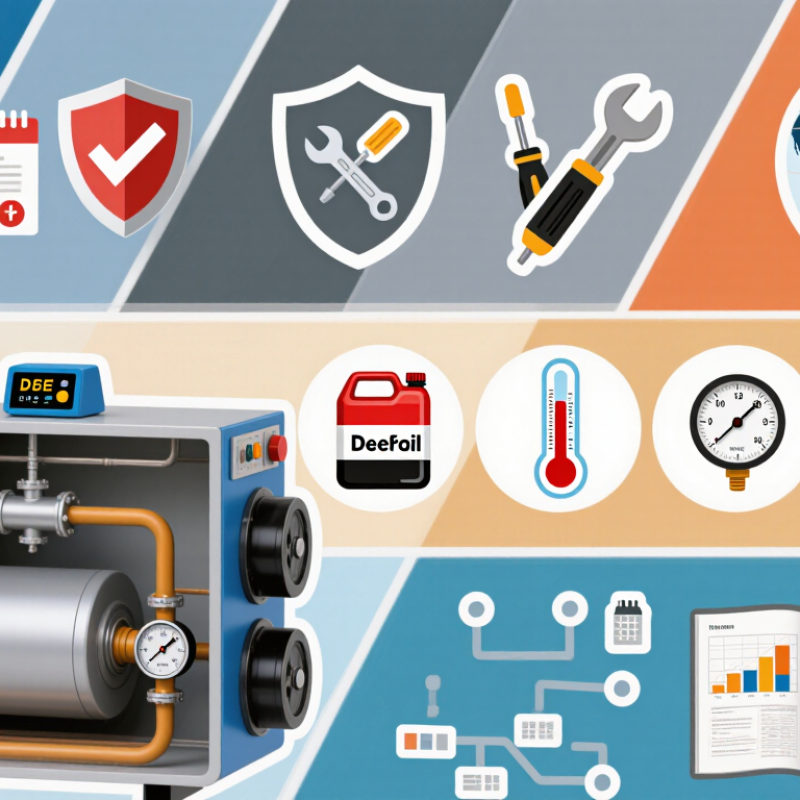
7 Fuel Oil Heater Buying Tips for Global Buyers

Define Heating Needs, Fuel Type, and Operating Conditions

7 Fuel Oil Heater Buying Tips for Global Buyers

Define heating needs before comparing heater models. Record the required temperature, heat-up time, daily operating hours, and load changes. A workshop warming a 500-square-meter hall needs a different system from a process tank requiring stable heat for twelve hours. The U.S. Energy Information Administration reports that industrial energy use remains one of the largest global demand segments. Efficiency should therefore be measured under real load, not only under laboratory conditions. Check heat output, fuel consumption, control accuracy, and heat losses through ducts or exposed surfaces.

Fuel choice affects storage, filtration, ignition, and maintenance. Distillate fuel oil usually starts more easily in cold weather, while heavier fuel oils may require preheating and stronger pumping systems. The IEA’s Oil 2024 report forecasts global oil demand reaching about 104 million barrels per day in 2024. That figure does not guarantee local supply or stable pricing. Confirm the fuel grade, sulfur limit, viscosity range, and seasonal availability in the destination country. ASTM D396 or equivalent local specifications can support a clearer purchasing decision.

Operating conditions deserve equal attention. Ask whether the heater will face dust, salt air, freezing temperatures, or unstable electricity. Specify altitude and ventilation requirements. Small oversights become expensive later. I have seen buyers focus on burner capacity while ignoring tank heating and spare filter access. That choice looked efficient on paper. It was not. Select safety controls, insulation, alarms, and service access together with the heater, then verify performance using documented test data.

Compare Heater Designs, Capacity, Efficiency, and Temperature Control

7 Fuel Oil Heater Buying Tips for Global Buyers

Compare heater designs before comparing prices. Coil, fired-air, and thermal-fluid systems suit different loads. A thermal-fluid heater can provide stable indirect heat, while fired-air designs respond faster but may introduce combustion products. The U.S. Department of Energy reports that process heating uses about 60% of manufacturing energy. Efficiency deserves serious attention. Request combustion-efficiency data at your actual operating load, not only at maximum output. The IEA’s Energy Efficiency 2023 report recorded global energy-intensity improvement of about 2.2% in 2022, yet industrial losses remain substantial.

Tip: Size capacity from heat loss, startup time, ambient temperature, and fuel properties. A heater rated only for peak demand may cycle excessively at normal loads. Oversizing sounds safe. It can waste fuel and reduce control stability. Check turndown ratio, insulation quality, pump capacity, and heat-exchanger pressure drop. Ask for measured fuel consumption in kilograms per hour or liters per hour under defined conditions. Numbers without test conditions are weak evidence.

Temperature control often separates a reliable installation from an expensive experiment. Specify sensor location, control accuracy, response time, and alarm functions. For sensitive processes, independent high-temperature shutdown protection is essential. ISO 50001 guidance supports measurement-based energy management, so request logged performance data after commissioning. I would also inspect burner documentation against applicable regional standards, such as EN 267 or equivalent requirements. A spreadsheet cannot replace a cold-start test. Leave room for mistakes in the load estimate, then verify the design with real operating data.

Check Safety Features, Certifications, and Regional Compliance

Buying a fuel oil heater requires more than comparing output, fuel use, and price. Safety features should be examined in person or through clear technical documents. Look for flame-failure protection, overheat shutdown, fuel-leak prevention, stable ignition, and accessible emergency controls.

Safety comes first.

Ask suppliers for test reports, installation instructions, maintenance schedules, and certificates that match the exact heater model. A familiar certification mark is not enough if the document belongs to another product or has expired. Check whether the equipment meets the destination market’s electrical, emissions, pressure, and fuel-storage requirements. Depending on the region, buyers may need CE, UKCA, UL, CSA, or other recognized conformity evidence. Local authorities and inspectors should confirm the applicable rules before shipment.

Regional conditions also affect safe operation. A heater designed for one fuel grade may perform poorly with another. Voltage, frequency, ventilation standards, chimney design, and outdoor temperature can change installation requirements. Request written confirmation from the manufacturer or an independent engineer. I have seen buyers focus heavily on heating capacity and overlook service access. That mistake can make routine cleaning difficult and increase operating risks. A practical inspection should include wiring, burner access, alarms, spare parts, and emergency isolation. Paperwork is not enough. Ask questions until every safety claim is traceable to a test, drawing, or requirement.

Evaluate Installation, Maintenance, Warranty, and Spare Parts

7 Fuel Oil Heater Buying Tips for Global Buyers

Installation should match the site, fuel grade, ventilation, and local inspection rules. Ask for a clear layout showing burner access, flue routing, drainage, and emergency shutoff points. The International Energy Agency reported in Energy Efficiency 2023 that efficiency improvements could provide more than 40% of the emissions reductions needed by 2030. Correct installation protects that potential. A rushed layout can create uneven heating and expensive alterations.

Maintenance deserves more attention. Request service intervals, cleaning procedures, nozzle specifications, and combustion-testing requirements. The U.S. Environmental Protection Agency’s commercial boiler guidance recommends regular tuning because soot, poor air balance, and worn components reduce efficiency. Check whether technicians can measure stack temperature and carbon monoxide safely. Small details matter. One overlooked gasket may stop production. I have seen buyers compare output first, then discover that filters are difficult to reach. That decision deserves a second look.

Warranty terms should state coverage, response time, labor limits, and exclusions caused by fuel quality or improper installation. Spare-parts support is equally practical. Ask for a five-year parts list, stock locations, delivery estimates, and compatible alternatives. The International Energy Agency’s Oil 2024 report continues to show a globally interconnected oil market, with changing supply conditions affecting fuel costs and availability. Select heaters that tolerate approved fuel variations, but do not assume every fuel is suitable. Written confirmation is safer than sales language.

Verify Supplier Reliability, Total Cost, and Global Shipping Support

Buying a fuel oil heater globally requires more than comparing catalog prices. A reliable supplier answers technical questions clearly and provides traceable test records. Ask for material certificates, burner specifications, thermal output data, and inspection photos from the current production batch. Request references from buyers using similar fuel viscosity and operating temperatures. A video factory audit can reveal storage conditions, wiring quality, and basic production discipline. Small details matter.

Calculate total cost before approving the purchase order. Include the heater, controls, spare parts, export packing, inland transport, ocean freight, insurance, duties, and destination handling. Confirm whether the quotation uses FOB, CIF, or another Incoterm. Ask who handles customs documents and what happens when port charges change. A cheaper unit may need costly voltage conversion or extra filtration. It happens often. Leave room for installation labor, commissioning, and operator training.

Global shipping support should be tested before payment, not after dispatch. The supplier should provide a packing list, commercial invoice, certificate of origin when required, and clear lifting instructions. Confirm crate dimensions, gross weight, HS classification, and delivery access at your site. Ask for remote troubleshooting and replacement-part response times. I would also request a written plan for delays or damaged cargo. No plan is perfect. My own buying reviews sometimes missed local storage fees, so I now ask the forwarder for a destination estimate in writing. That estimate now sits beside the purchase order.

Company Info

Universal Pumping

625 Apache Trail
Woodstock, GA 30189

Mon - Fri | 9:00 AM - 5:00 PM

Connect With Us

About Universal Pumping

Universal Pumping is staffed with industry professionals with 20-45 years experience with high pressure pumping systems. We represent only the “elite producers” in pump manufacturing: Britain’s EMS and Germany’s EMMERICH. Our engineering and manufacturing approach is conservative, and we do not use “guess work” in the design or sales of our pumping and filtration equipment.