2026 How to Choose Electric Motorcycle Wheels?
Choosing Electric Motorcycle Wheels in 2026 means balancing fit, strength, handling, and everyday practicality. A wheel that looks right may still conflict with the axle, brake rotor, or hub motor. Small details matter. A few millimeters can affect clearance, while an incorrect load rating can compromise safe operation.
This guide explains how to compare wheel diameter, width, construction, and materials for different riding needs. It also covers spoke and cast designs, tire compatibility, braking hardware, and the added demands of electric motorcycle weight and torque. Check the motorcycle manufacturer’s specifications before buying, and confirm that the wheel matches the exact model and year. When fitment is unclear, ask a qualified technician to verify the measurements. Measure twice.
There is no single best wheel for every rider. A commuter may value durability and easy maintenance, while a rider on rough roads may prioritize impact resistance and repairability. Those priorities can conflict. A lighter wheel may improve response, but strength and compatibility still come first. I would not choose by appearance or price alone; that is an easy mistake to make. The sections ahead offer a practical checklist for comparing options, spotting missing specifications, and asking better questions before purchase. Use them as a starting point, then confirm important details with the manufacturer or a trusted service professional.
Understand Electric Motorcycle Wheel Types and Key Components
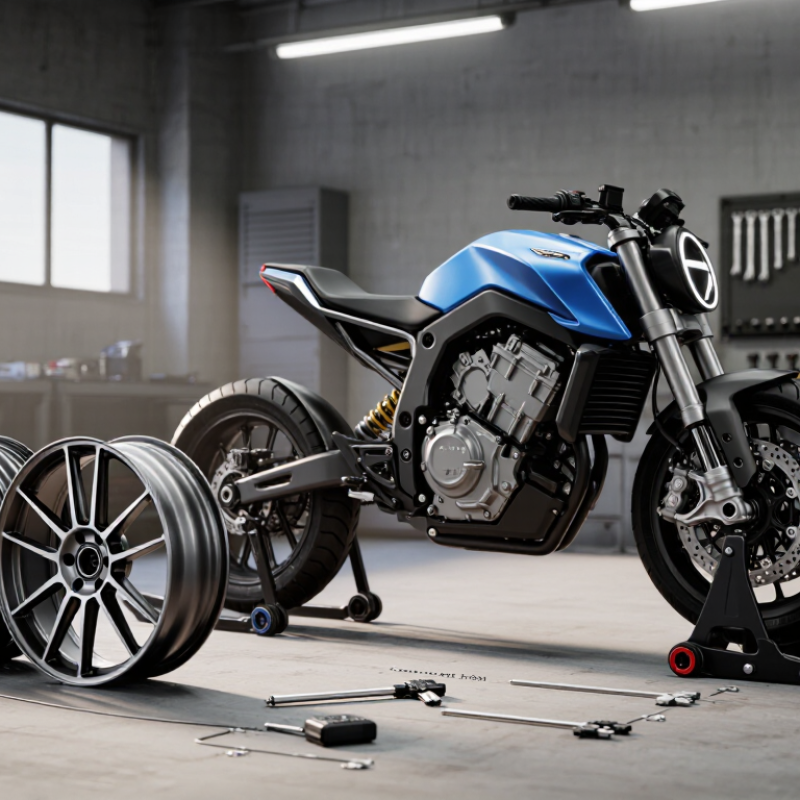
Electric motorcycle wheels usually use spoked or cast-alloy rims, while some designs integrate the motor into the hub. Spoked wheels can flex slightly over rough surfaces, but damaged spokes need prompt attention. Cast wheels are rigid and easy to clean, though impact damage may be harder to repair. Hub-motor wheels also carry motor weight and wiring, so removal can take more care. Check the motorcycle’s manual for rim diameter, width, axle fit, brake-disc position, and approved tire sizes.
The tire, rim, hub, bearings, spokes or cast structure, axle, and brake rotor all affect wheel performance. Match tire load and speed ratings to the motorcycle’s specifications; never judge fit by appearance alone. The International Energy Agency’s Global EV Outlook 2024 estimates that nearly 10 million electric two- and three-wheelers were sold worldwide in 2023. That growth makes correct wheel selection more than a styling choice. Small details matter. A heavier battery and strong motor torque can change how a wheel is loaded, but the exact effect depends on the model and riding conditions. There is no perfect wheel for every route, and a wider tire is not automatically safer. Check the rim and tire together, then recheck pressure after installation.
2026 How to Choose Electric Motorcycle Wheels? — Understand Wheel Types and Key Components
Common nominal rim diameters vary across electric two-wheelers. These examples are rim sizes, not the tire’s overall outside diameter.
Choose a wheel size specified by the vehicle manufacturer and compatible with the tire, fork or swingarm clearance, brake system, and load rating. Wheel assemblies may use cast or spoked rims; key components include the rim, hub, tire, valve, bearings, and brake rotor.
Check Wheel Size, Axle Fitment, and Brake Compatibility
Choosing electric motorcycle wheels in 2026 starts with the wheel’s diameter and width. Match both to the motorcycle’s specifications, not just the tire label. A different diameter can alter ground clearance, handling, and speedometer readings. Check clearance at the fork, swingarm, and fender, allowing room for tire movement. Small differences matter.
Axle fitment needs equal care. Measure the axle diameter and hub width, then confirm bearing dimensions and spacer placement. For a hub motor, check axle flats and cable exit direction, too. The cable should not be pinched or sharply bent when the wheel is installed. I would be cautious with “universal” listings; that wording can hide important fitment differences. Check twice.
Brake compatibility depends on the rotor’s diameter, mounting pattern, and position relative to the caliper. A rotor that bolts on may still sit off-center or rub the pads. Compare the original wheel’s measurements, and consult the service specifications before ordering. After installation, spin the wheel by hand and inspect rotor clearance. Have a qualified mechanic verify fasteners and brake operation if anything feels uncertain. Do not rely on appearance alone.
Compare Materials, Weight, and Load Capacity
2026 How to Choose Electric Motorcycle Wheels?
Compare wheel materials by balancing mass, strength, and repair needs. Aluminum alloy wheels are often lighter than steel alternatives, which can help reduce unsprung weight and make steering feel more responsive. But lighter does not automatically mean better. A rough road, heavy battery, or frequent passenger use can make durability more important. Steel wheels may weigh more, yet their construction can suit some demanding uses. Check the wheel maker’s specifications, not just its material label.
Load capacity deserves equal attention. Add the motorcycle’s weight, rider, passenger, and typical cargo, then compare that total with the wheel and axle ratings. Leave room for real riding conditions. A pothole can load a wheel more sharply than a smooth road. Don’t guess. Check the manual.
For a practical comparison, weigh the complete wheel assembly, including the tire, hub, brake parts, and any motor components. A bare-rim figure can be misleading. Confirm that the rim width, axle fit, brake mounting, and motor compatibility match the motorcycle. I would not choose a wheel on weight alone; it is easy to overlook a small fitment detail when a lighter option looks appealing. Verify the exact specifications before buying.
Match Wheel Design to Riding Conditions and Performance Needs
Wheel choice affects grip, steering, comfort, and maintenance. On broken city streets, a durable rim and a tire with enough sidewall can soften sharp pothole edges. Larger-diameter wheels may roll over small obstacles more smoothly, but they can change acceleration and steering feel. The result depends on the motorcycle’s motor and setup.
Spoked wheels can suit rough routes because individual spokes may be serviced after damage. Cast wheels often need less routine attention, though a hard impact can be costly to address. Neither design wins everywhere. No universal winner.
For wet commutes, look beyond appearance: tire tread, rubber compound, and correct pressure matter greatly. Gravel riders may value predictable traction and a wheel that can handle repeated impacts. Check approved wheel dimensions and load ratings before changing sizes, especially if you carry a passenger or cargo. Electric motors deliver strong low-speed torque, so rear-tire wear deserves regular checks.
It is tempting to choose the lightest wheel for quicker response. Yet a fragile setup may be a poor match for daily potholes. A short ride over familiar roads can reveal vague steering, harsh impacts, or unwanted vibration. Spec sheets help, but they cannot describe every road.
Verify Safety Standards, Maintenance Needs, and Replacement Options
Choosing electric motorcycle wheels begins with verified fit and safety, not appearance. Check the wheel’s load rating, dimensions, axle spacing, and brake-rotor position against the motorcycle’s service manual. Confirm required safety markings and documentation with the seller or a qualified technician. A wheel that looks correct may still place the brake disc slightly out of line. That small mismatch matters.
Maintenance needs can reveal whether a wheel suits your riding conditions. Check tire pressure when the tires are cold, using the pressure listed for your motorcycle. Inspect rims for dents or cracks, and look for loose spokes, rough bearings, and corrosion near the hub. After a hard pothole strike, have the wheel checked before riding far. Don’t rely on a quick glance. I may be overly cautious here, but hidden damage is difficult to judge at home.
Before buying a replacement, compare the complete specifications, including tire size, hub design, sensor fittings, and brake compatibility. Ask whether the wheel is sold alone or as a complete assembly, and clarify what parts must be transferred. An exact approved replacement is usually the clearest option; a repair may be appropriate only after professional inspection. Keep the old wheel’s measurements and service records. They can help resolve confusing fitment details later.