What Is a Microgrid Solution and How Does It Work?
A Microgrid Solution is a local energy system that coordinates electricity sources, storage, controls, and nearby buildings or equipment. It may use rooftop solar, a small generator, batteries, or a mix of resources. Unlike a single backup generator, a microgrid manages several components as one system. Its controller monitors supply and demand, then adjusts when energy is produced, stored, or used. On a hospital campus, for example, it can prioritize essential circuits such as lighting, refrigeration, and medical equipment. The exact design depends on the site.
A microgrid can operate while connected to the main utility grid, drawing power or sharing permitted excess generation. If the wider grid fails, suitable equipment can isolate the microgrid and keep selected loads running. That transition is not automatic in every installation; protection systems, controls, and tested operating plans matter. No system is perfect. Battery limits, fuel availability, weather, maintenance, and cost all affect performance. A realistic assessment starts with hourly energy use, critical-load needs, and local resources—not a promise of uninterrupted power. Engineers and facility operators should review the design, safety requirements, and commissioning results together. Even a well-planned system needs regular testing. This practical view helps explain both what a microgrid does and where its limits lie.
What Defines a Microgrid Solution
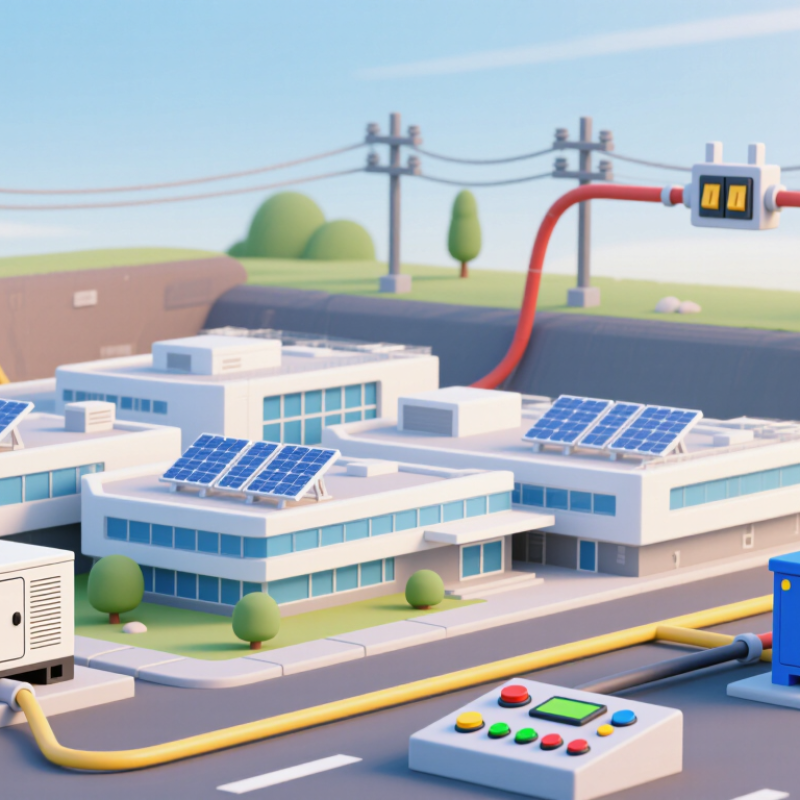
A microgrid solution is a locally managed energy system with a clear electrical boundary. Inside it, buildings or equipment draw power from coordinated sources, such as rooftop solar, batteries, and standby generators. A controller balances supply and demand, while meters and protective switches track conditions and isolate faults. The boundary matters: without it, “microgrid” can describe little more than a collection of devices.
A defining capability is controlled operation in two modes. When the utility grid is available, the microgrid can exchange power with it, subject to its design and interconnection settings. During an outage, a switch can separate the site and let selected loads continue operating. Not every load stays on. A clinic might prioritize refrigeration, lighting, and communications while pausing nonessential heating. This decision depends on generation, stored energy, and outage duration.
A complete solution includes more than hardware. It needs operating logic, protection, monitoring, maintenance, and a plan for restarting loads safely. These details shape how the system responds when clouds reduce solar output or a battery reaches its reserve limit. Real performance varies. Even a well-designed microgrid cannot promise uninterrupted power under every condition; fuel, weather, equipment condition, and operator decisions all matter. That uncertainty deserves honest attention during planning.
Which Energy Sources and Components Make Up a Microgrid
A microgrid is a local electricity system that can serve a building, campus, or remote community. Its energy sources may include rooftop solar panels, small wind turbines, or generators. Some systems also connect to the main utility grid. The right mix depends on local weather, energy demand, fuel access, and budget. There is no universal recipe.
The components work together to balance supply and demand. Solar panels produce direct-current electricity, while inverters convert it for common building use. Batteries store surplus power for cloudy hours or brief outages. A controller monitors output, battery levels, and demand, then directs power where it is needed. Switchgear helps isolate the microgrid from the utility during a disruption. That separation is not automatic; system design and safe controls matter.
Storage matters. A battery cannot cover every long outage, so planners must estimate loads carefully. That part is often harder than it looks.
Tips: Ask which loads must stay powered, such as refrigeration, pumps, or medical equipment. Check how many hours of backup the design supports, and what happens when renewable output falls. Keep the estimate realistic. Overlooking seasonal changes can leave a system short when demand peaks.
How Microgrid Controls Balance Electricity Supply and Demand
At 6:40 a.m., rooftop solar may be climbing while a building’s heating system starts up. A microgrid controller tracks both sides through meters, weather forecasts, and equipment signals. It adjusts generators, batteries, and flexible loads to keep supply close to demand. That is the loop. When solar output rises, the controller can charge batteries or delay a water-heating cycle. If clouds arrive, it can discharge stored energy or start a generator. Fast controls respond to changes in seconds; supervisory controls plan dispatch over longer intervals.
The need for coordination is growing. The IEA’s Renewables 2023 report forecasts 3,700 gigawatts of renewable capacity growth worldwide between 2023 and 2028. Its report Electricity Grids and Secure Energy Transitions says more than 80 million kilometres of grids must be added or refurbished by 2040. These figures describe a wider challenge: supply is changing, and infrastructure takes time to adapt. In island mode, a controller also balances voltage and frequency while protecting essential loads, such as a clinic’s refrigeration or a pump room. Battery charge limits matter; draining storage too early can leave little reserve for evening demand. Forecasts help, but they are not promises. A passing cloud can still upset a careful schedule, so operators need clear alarms and room for human judgment.
How Microgrid Controls Balance Electricity Supply and Demand
Illustrative 24-hour microgrid profile. The controller coordinates renewable generation, dispatchable generation, and battery output to match changing electricity demand.
Hourly values are illustrative, in kilowatts (kW). Stacked supply equals the demand line at each hour; actual microgrid profiles vary with weather, equipment, and operating conditions.
How a Microgrid Operates With or Without the Main Grid
A microgrid combines local electricity sources, storage, control equipment, and nearby loads. It may include solar panels, a generator, batteries, and buildings such as a clinic or campus. A controller monitors supply and demand, then adjusts how electricity flows. When the main grid is available, the microgrid can draw power from it or, if configured, send excess electricity back.
During an outage, a protective switch separates the microgrid from the utility network. This is called islanding. The controller then balances local generation, stored energy, and demand. Batteries can respond quickly, while a generator may provide longer support. Some systems reduce nonessential loads, such as hallway lighting, to preserve power for critical equipment. The transition is controlled, but it still depends on sound design and regular testing.
When the main grid returns, equipment checks that its voltage and frequency are stable before reconnecting. The microgrid must synchronize with the wider network; reconnecting too early can disrupt service. How long islanded operation lasts depends on battery capacity, fuel, weather, and the loads being served. A cloudy week or a poorly estimated demand can change the picture. Even a well-designed system needs its operating plan reviewed as buildings and energy use change.
Where Microgrids Are Used and How Their Designs Differ
Microgrids serve places where reliable power matters locally: hospitals, university campuses, industrial parks, remote villages, and island communities. A hospital system may prioritize uninterrupted power for operating rooms and refrigeration. A rural microgrid may instead combine solar panels, batteries, and a backup generator to reduce fuel deliveries. Its controller balances supply and demand, then can disconnect from the main grid during an outage. That is island mode.
Location shapes the design. Dense campuses often connect several buildings and use existing grid power alongside local generation. Remote systems may operate independently for long periods, so storage capacity and backup fuel become practical concerns. The International Energy Agency’s 2023 report, Electricity Grids and Secure Energy Transitions, estimates that 80 million kilometres of grids must be added or refurbished by 2040. That scale makes local solutions relevant, but it does not mean every site needs a microgrid.
Resilience needs are also site-specific. NOAA recorded 28 U.S. weather and climate disasters costing at least one billion dollars each in 2023. Such events can threaten local power, though a microgrid cannot prevent every outage or hazard. Designers must consider the site’s critical loads, weather exposure, fuel access, and ability to maintain equipment. A battery sized for a brief interruption may not cover several cloudy days. The trade-off is easy to underestimate.