Universal Pumping | High Pressure Pumps
High Pressure Pumps for Difficult to Pump Slurry, Sludge, and Food Waste.
Efficiently pumping water is critical for meeting global supply needs. As populations grow, demand for clean water intensifies. Many regions struggle with water scarcity, and efficient systems are essential. Pump water effectively to ensure resources reach those in need.
Innovative technologies play a vital role in enhancing water distribution. Solar-powered pumps can minimize energy costs, providing solutions in remote areas. However, initial setup costs can be prohibitive for some communities. This raises questions about accessibility and sustainability.
Moreover, water loss through leaks is a significant issue. Aging infrastructure often hampers efforts to pump water efficiently. Regular maintenance and upgrades are necessary but often overlooked. Balancing cost, efficiency, and equity is a complex challenge that requires ongoing reflection and improvement.
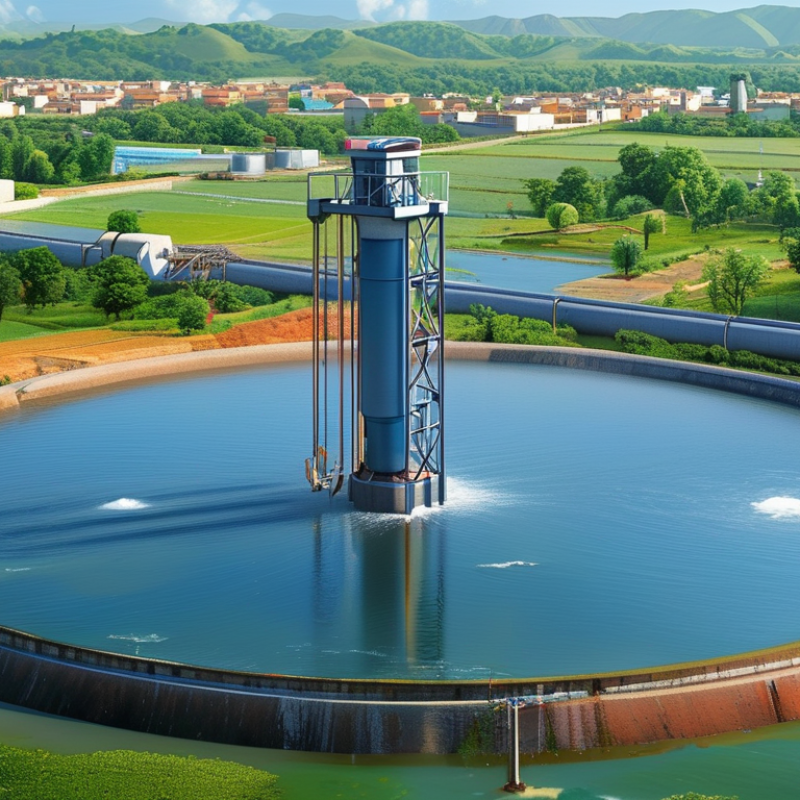
Water supply demands are increasing globally. More than 2 billion people face water scarcity. Climate change, population growth, and urbanization exacerbate these challenges. The gap between supply and demand is growing. Efficient water pumping is crucial in addressing these issues.
To meet global needs, we must improve infrastructure. Aging systems waste significant amounts of water. Proper maintenance and upgrading can enhance efficiency. Innovative technologies play a vital role. Solar and wind-powered pumps are promising. They can reduce reliance on traditional power sources.
However, not all methods are perfect. Implementing new technologies requires investment and training. Communities often struggle to adapt. Education on water conservation is essential. Simple practices, like rainwater harvesting, can complement larger systems. Sustainable solutions consider local needs and ecosystems.
Innovative technologies are transforming water pumping solutions, addressing global supply needs. Advanced pumps, like variable speed drives, enhance efficiency by adjusting flow rates. This adaptability reduces energy consumption and lowers operational costs. Smart sensors monitor water levels in real-time, ensuring optimal performance and minimizing waste.
Efficient water pumping isn’t without challenges. Old infrastructure can hinder new technologies. Retrofitting may require time and investment. Periodic maintenance is crucial in ensuring system reliability.
Consider implementing these strategies: Optimize pump sizing to match demand. Regularly inspect and maintain equipment. Invest in training for staff to leverage new technologies effectively. These practical steps can significantly improve water pumping efficiency while addressing global needs.
Sustainable water pumping systems are essential for meeting global supply needs. Efficient practices in these systems can significantly reduce energy consumption. Simple changes can lead to remarkable improvements. For instance, using variable speed drives allows pumps to adjust to demand. This adaptability prevents excessive energy use.
Monitoring water quality is vital for sustainability. Regular checks ensure that the equipment operates optimally. Smart technologies can help with real-time data collection. Such innovations provide insights into potential leaks or inefficiencies. However, relying solely on technology can be misleading; human oversight remains crucial.
Investing in training for operators improves maintenance practices. Knowledgeable staff can identify issues before they escalate. Yet, some organizations often overlook this aspect. Continued education is essential for fostering a culture of sustainability. Every small step contributes to a more efficient water supply system.
The increasing global demand for water necessitates more efficient pumping systems. Renewable energy has emerged as a critical factor in enhancing water pumping efficiency. According to a 2021 report by the International Renewable Energy Agency, leveraging solar and wind energy for pumping can reduce costs significantly. Solar-powered pumps can decrease operational costs by 30% to 50% compared to conventional diesel-fueled pumps.
However, the transition is not without its challenges. The initial setup costs for renewable energy systems can be high. In rural areas, limited infrastructure poses obstacles. A 2022 study from the World Bank indicated that 80% of developing countries still rely heavily on diesel for water supply. Expanding renewable energy sources in these regions is essential but requires careful planning and investment.
Innovative technologies, such as smart water management systems, offer solutions. These systems optimize water flow, reducing waste and improving energy efficiency. The potential for integrating IoT with green energy sources is promising. However, implementation can be hindered by the need for proper training and community buy-in. Addressing these hurdles is key to realizing the full potential of renewable energy in water pumping.
Pumping water efficiently is essential for meeting global supply needs. Around the world, various strategies have emerged, showcasing innovation and sustainability. One successful approach is found in the Netherlands, where innovative pumping stations manage water levels in low-lying areas. These stations use advanced sensors and automation, ensuring optimal water flow while reducing energy consumption.
Another effective method comes from India. In rural regions, solar-powered pumps are transforming access to water. These pumps harness renewable energy, minimizing operational costs. They reduce dependence on electricity and diesel, benefiting both the environment and local communities. However, challenges remain. Maintenance of solar infrastructure can be difficult in remote areas. Ensuring long-term functionality is crucial.
Efficiency can also improve with local community involvement. Engaging residents in maintenance fosters ownership and responsibility. People feel connected to the resources they manage. It's not perfect, as coordination can be inconsistent. Nevertheless, empowering communities is a viable path forward.
Focus on proper site selection. Understand the local geography before installation. Take the time to train operators. Regular training ensures that all personnel are prepared for routine checks. Monitoring water quality and usage patterns will highlight further areas for improvement.
| Region | Pumping Technology | Water Source | Annual Capacity (Million Liters) | Efficiency (%) | Year Implemented |
|---|---|---|---|---|---|
| North America | Solar-powered pumps | Groundwater | 750 | 85 | 2020 |
| Africa | Wind-driven pumps | Surface water | 600 | 78 | 2019 |
| Asia | Electric submersible pumps | River | 900 | 90 | 2018 |
| Europe | Centrifugal pumps | Aquifer | 1200 | 88 | 2021 |
| Oceania | Hybrid solar-diesel pumps | Desalination | 300 | 82 | 2022 |
Universal Pumping
625 Apache Trail
Woodstock, GA 30189
Mon - Fri | 9:00 AM - 5:00 PM
Universal Pumping is staffed with industry professionals with 20-45 years experience with high pressure pumping systems. We represent only the “elite producers” in pump manufacturing: Britain’s EMS and Germany’s EMMERICH. Our engineering and manufacturing approach is conservative, and we do not use “guess work” in the design or sales of our pumping and filtration equipment.