
What is a Sand Mixer Machine and How Does it Work?

The Sand Mixer Machine is essential in various industries, particularly in foundries. It blends sand, binder, and additives efficiently. This process ensures a consistent mixture, promoting better mold quality and improved casting outcomes.

Understanding how the Sand Mixer Machine operates is crucial. It employs mechanical mixing, which allows for rapid and uniform blending. Operators often require training to utilize it effectively. Mistakes in the mixing process can lead to defective products.

While the technology is beneficial, it demands careful consideration. The machine's efficiency can be impacted by maintenance issues. Moreover, operators must be aware of proper safety practices. Continuous learning and adaptation are key to maximizing the performance of a Sand Mixer Machine.
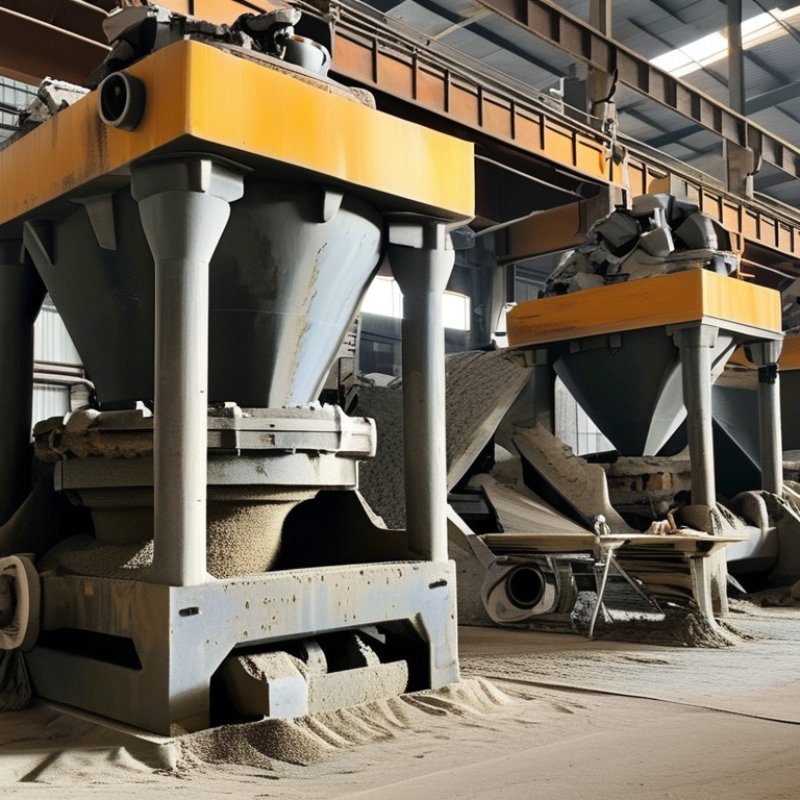
What is a Sand Mixer Machine and How Does it Work?

What is a Sand Mixer Machine?

A sand mixer machine plays a crucial role in the foundry industry. This equipment is designed to mix sand with bonding agents efficiently. The process ensures that the sand achieves uniform consistency and moisture content. According to a report by the International Journal of Cast Metals Research, well-mixed sand improves casting quality significantly.

In operation, the sand mixer machine combines dry sand with additives. These additives can include clay, water, and other binding materials. The mixing action is essential; it ensures that no clumps remain in the mixture. Some studies suggest that improper mixing can lead to defects in the final casting. These defects may include weak spots or surface imperfections.

While modern machines are efficient, maintaining them is crucial. Regular maintenance checks help in avoiding downtime. However, operators often overlook this aspect. Neglected machines may not perform at their optimal levels. According to industry data, a well-maintained mixer can increase productivity by up to 30%. This highlights the importance of both the machine and its upkeep in achieving desired results.

Key Components of a Sand Mixer Machine

A sand mixer machine is an essential tool in foundries and construction industries. It combines sand and other additives to create a uniform mixture for making molds and cores. Understanding its key components is crucial for operators and engineers.

One of the primary components is the mixing chamber. This chamber is designed to ensure thorough mixing. It often incorporates high-speed paddles or blades. These elements can achieve a blending efficiency of over 90%, significantly impacting mold quality. The efficiency is a key factor in production timelines.

Another critical component is the drive motor. This motor powers the mixing mechanism and is essential for the machine's performance. In many industrial settings, machines operate for hours daily. Therefore, the drive motor’s durability is vital. According to industry reports, a reliable motor can increase overall output by approximately 25% while reducing downtime.

Lastly, the discharge system allows for easy material transfer after mixing. A well-designed discharge system minimizes waste and enhances productivity. However, challenges with wear and maintenance can arise. Regular inspections are necessary to maintain optimal function and prevent costly repairs. Keeping the components in top shape is an ongoing responsibility for operators.

How Sand Mixer Machines Operate: A Step-by-Step Guide

A sand mixer machine plays a vital role in industries like foundries. The process begins with the loading of dry sand into the mixer. This sand typically helps in creating molds for casting metals. The machine uses specific blending mechanisms to ensure uniformity. It's essential for achieving consistent mixture properties, which affects the quality of final products.

Next, water and binders are added to the dry sand. These ingredients enhance the sand's cohesion, making it easier to form shapes. The machine's mixing action combines these materials thoroughly. This blending ensures that every grain of sand is coated. An improper mix can lead to defects in the castings. Operators must monitor the process closely for optimal results.

As the sand mixer operates, it faces challenges. The moisture content can fluctuate, altering the mixture. A skilled operator must adjust parameters accordingly. Additionally, cleaning the mixer is crucial to prevent contamination. Leftover materials can affect subsequent batches. Regular maintenance will help the machine run efficiently, but some issues may still arise. Identifying these flaws is necessary for ongoing improvement.

Sand Mixer Machine Operation Efficiency

This bar chart illustrates the operational efficiency of a sand mixer machine across different time intervals, showcasing the average mixing time (in minutes) required to achieve optimal sand consistency for various projects.

Applications of Sand Mixer Machines in Industry

Sand mixer machines are crucial in various industrial applications. They are primarily used in the foundry industry for sand preparation. These machines create a homogeneous mixture of sand, clay, and water. This mixture is essential for producing molds and cores used in metal casting. The quality of the sand mixture directly impacts the final product's strength and precision.

In addition to foundry applications, sand mixers find use in construction. They help prepare sand mixtures for concrete production. A consistent sand mix ensures the structural integrity of concrete. Many construction projects rely on this to meet engineering standards. Moreover, the environmental impact of waste sand recycling can be reduced by utilizing sand mixers. However, proper maintenance and operation are essential for optimal performance. Not all operators may achieve consistent results, leading to variable quality in the final product. This inconsistency can be a significant issue, highlighting the need for skilled personnel in managing these machines.

Advantages of Using Sand Mixer Machines in Sand Preparation

Sand mixer machines play a crucial role in sand preparation for foundries. They ensure a uniform mix of sand and additives, which is essential for producing high-quality molds. This consistency directly affects the final product's strength and surface finish. The efficient operation of these machines saves time and reduces labor costs.

One major advantage of using sand mixer machines is their ability to enhance productivity. By automating the mixing process, these machines minimize manual intervention. Operators can focus on other vital tasks. This leads to a smoother workflow and improved overall efficiency in the production line.

Tips: Always monitor the moisture content of the sand being mixed. Too much moisture can lead to clumping, while too little can cause poor mold integrity.

Another benefit is the reduction in material waste. Sand mixer machines utilize a precise mixing technique, ensuring that every grain of sand is optimally utilized. This not only saves costs but also contributes to a more sustainable operation. Regular maintenance of these machines is essential for optimum performance.

Tips: Schedule routine checks and lubrication for your sand mixer machine. This helps in preventing unexpected breakdowns and extends the machine's lifespan.

Company Info

Universal Pumping

625 Apache Trail
Woodstock, GA 30189

Mon - Fri | 9:00 AM - 5:00 PM

Connect With Us

About Universal Pumping

Universal Pumping is staffed with industry professionals with 20-45 years experience with high pressure pumping systems. We represent only the “elite producers” in pump manufacturing: Britain’s EMS and Germany’s EMMERICH. Our engineering and manufacturing approach is conservative, and we do not use “guess work” in the design or sales of our pumping and filtration equipment.