What is a Sludge Filter and How Does It Work?

When discussing wastewater treatment, the role of a sludge filter is paramount. Experts like Dr. Emily Johnson, a renowned environmental engineer, emphasize its importance. She states, "A well-designed sludge filter can significantly enhance the efficiency of water purification processes."

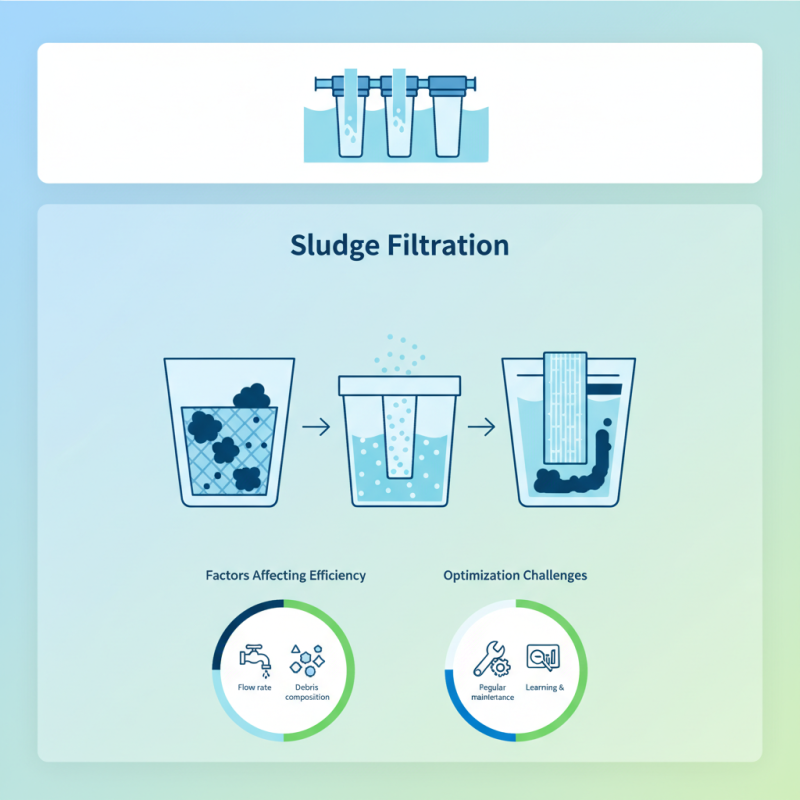
Sludge filters work by removing solids from water, ensuring cleaner effluent. Their design often includes multiple stages, which capture varying particle sizes. However, the effectiveness of a sludge filter can vary based on factors like flow rate and debris composition. The challenge lies in maintaining optimal conditions for operation.

In practice, many facilities struggle to keep filters running efficiently. Regular maintenance is crucial, yet often overlooked. Hence, facilities must learn from their experiences to optimize filtration processes. Finding the right balance can lead to better performance and sustainability.
What is a Sludge Filter and How Does It Work?

Overview of Sludge Filters: Definition and Purpose

A sludge filter is an essential tool in waste management. It plays a crucial role in separating solid waste from liquids. This separation process helps reduce the volume of waste before disposal or treatment. By filtering out impurities, sludge filters improve water quality. This makes them valuable in various industries, including wastewater treatment and food processing.

Understanding the purpose of sludge filters is important. They not only enhance environmental protection but also promote sustainability. These devices ensure that harmful substances do not enter natural water bodies. However, the effectiveness of a sludge filter can depend on its design and maintenance. An improperly maintained filter can lead to clogs and reduced efficiency. Regular checks and cleaning are necessary to ensure optimal performance.

While sludge filters are useful, they are not a catch-all solution. Mistakes can happen during operation. Sometimes, inadequate filtration leads to residual sludge. Users need to stay vigilant and aware of potential issues. Addressing these challenges requires continuous learning and improvement. By reflecting on their experiences, users can optimize their sludge filtration systems.
Types of Sludge Filters: Mechanical, Biological, and Chemical Processes

What is a Sludge Filter and How Does It Work?

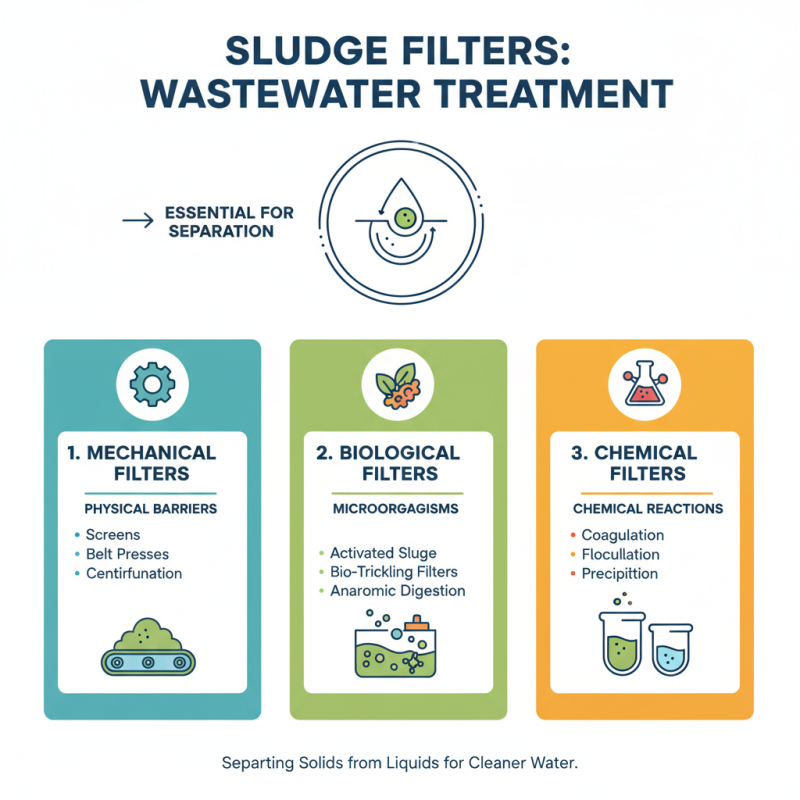
Sludge filters are essential in wastewater treatment. They help separate solid waste from liquids. Three main types of sludge filters exist: mechanical, biological, and chemical processes.

Mechanical filters use physical barriers to remove solids. These systems often involve screen or mesh filters. According to industry data, mechanical processes can remove up to 95% of large particles. However, they may struggle with smaller solids. This limitation can lead to inefficiency in certain settings. Some filters get clogged quickly, requiring frequent maintenance.

Biological processes, on the other hand, utilize microorganisms. These tiny organisms consume organic matter in sludge. A study indicates that biological methods can achieve a reduction of 80% in biodegradable solids. This process demands careful monitoring of conditions. Encourage optimal growth by managing pH and temperature. Neglecting these factors can reduce efficiency. Chemical processes involve adding agents to destabilize particles. They frequently remove contaminants by coagulation. Yet, the chemical approach may lead to secondary pollution, which raises environmental concerns. Balancing effectiveness and safety in these methods remains a challenge.

Working Principles: How Sludge Filters Operate Effectively

Sludge filters play a crucial role in water treatment processes. Their primary function is to separate solid particles from liquids. This process is vital for maintaining clean water in various industries. According to a recent report by the Environmental Protection Agency (EPA), about 70% of industrial water treatments use some form of filtration technology.

The operation of sludge filters relies on gravity and pressure. Liquid flows through a medium, leaving solid particles behind. This simple mechanism enhances the efficiency of water recycling. However, the effectiveness of a sludge filter can vary widely based on design and application. Many plants report fluctuating results, raising concerns in operational reliability.

Maintenance is another crucial factor. Without regular checks, filters can clog. A study found that clogged filters can reduce filtration rates by up to 40%. This inefficiency leads to more waste and increased costs. It's clear that while sludge filters are effective, their performance can deteriorate without proper attention. Thus, understanding both their operation and maintenance needs is essential for optimal performance.

What is a Sludge Filter and How Does It Work?

Parameter Description Typical Values
Filtration Method Processes used to separate solids from liquids in wastewater. Gravity settling, membrane filtration, and media filtration.
Common Applications Used in wastewater treatment plants, industrial processes, and stormwater management. Municipal & Industrial wastewater treatment.
Types of Sludge Different classifications based on composition and source. Primary sludge, secondary sludge, and mixed sludge.
Key Benefits Enhances water quality, reduces sludge volume, and recovers materials. Improved effluent quality and reduced disposal costs.
Maintenance Requirements Regular cleaning and monitoring to ensure effective operation. Weekly cleaning and quarterly overhauls.

Key Industry Applications: Wastewater Treatment and Beyond

What is a Sludge Filter and How Does It Work?

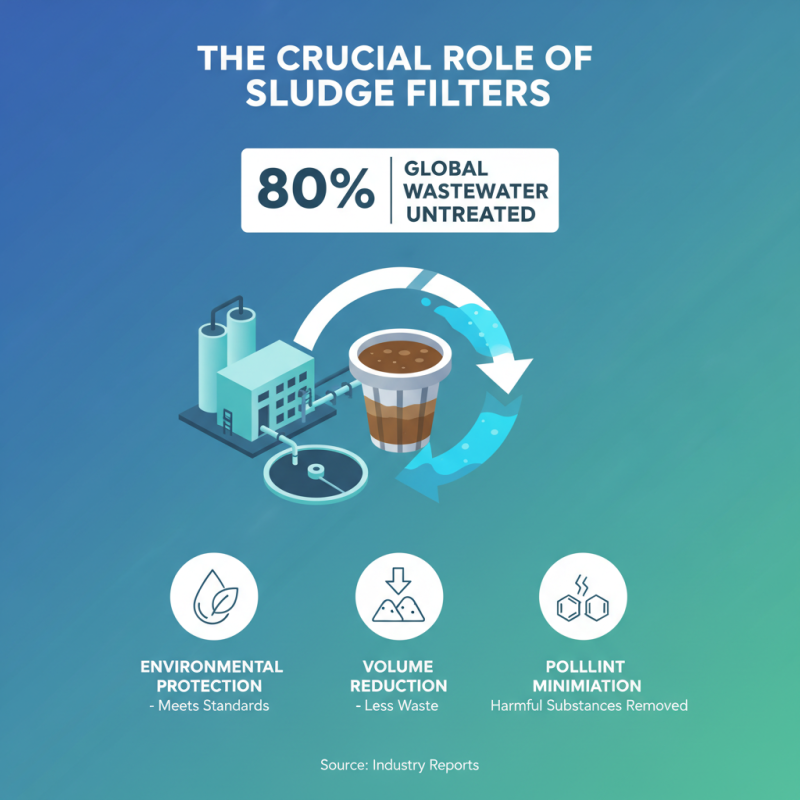
Sludge filters play a crucial role in various industries, particularly in wastewater treatment. According to industry reports, around 80% of the world's wastewater is discharged untreated. This alarming statistic underscores the importance of effective filtration systems. Sludge filters help to separate solid materials from liquids, ensuring that the effluent meets environmental standards. They are essential in reducing the volume of waste and minimizing harmful pollutants.

In addition to wastewater treatment, sludge filters are utilized in industries like food processing and petrochemicals. For example, in the food industry, they help clarify liquids during production and reduce contaminants. In petrochemical processes, they purify and recycle water, which is vital for sustainability. Studies indicate that countries with advanced filtration methods can decrease pollution by up to 60%. However, challenges remain in ensuring these systems operate optimally and are well-maintained.

Tips: Regular maintenance of sludge filters is key. Dirty filters can lead to system failures. Monitor pressure drops closely. Frequent cleaning schedules can prevent costly breakdowns. Consider using automated monitoring systems for efficiency. Always keep an eye on waste disposal methods to ensure compliance with regulations. Ignoring these aspects can result in legal and operational issues down the line.

Advantages and Limitations of Using Sludge Filters in Treatment Systems

Sludge filters are essential components in many treatment systems. They help remove suspended solids from liquids. Their application can greatly enhance waste management. However, like any technology, they come with advantages and limitations.

One major advantage is efficiency. Sludge filters can significantly reduce the amount of solids in treated water. This results in cleaner water and improved environmental compliance. They also minimize the footprint of treatment systems. But not everything is perfect. There can be issues with clogging. Maintaining the filter can require time and resources.

Tip: Regular maintenance checks are crucial. Clean the filters periodically to avoid clogging.

Another limitation is the initial cost. Investing in sludge filtrations may strain a tight budget. Additionally, they may not perform well with certain types of sludge. It is essential to choose the right filter for the specific application. Not all filters suit every situation.

Tip: Conduct thorough research before purchasing. Ensure compatibility with your treatment needs.

Company Info

Universal Pumping

625 Apache Trail
Woodstock, GA 30189

Mon - Fri | 9:00 AM - 5:00 PM

Connect With Us

About Universal Pumping

Universal Pumping is staffed with industry professionals with 20-45 years experience with high pressure pumping systems. We represent only the “elite producers” in pump manufacturing: Britain’s EMS and Germany’s EMMERICH. Our engineering and manufacturing approach is conservative, and we do not use “guess work” in the design or sales of our pumping and filtration equipment.