

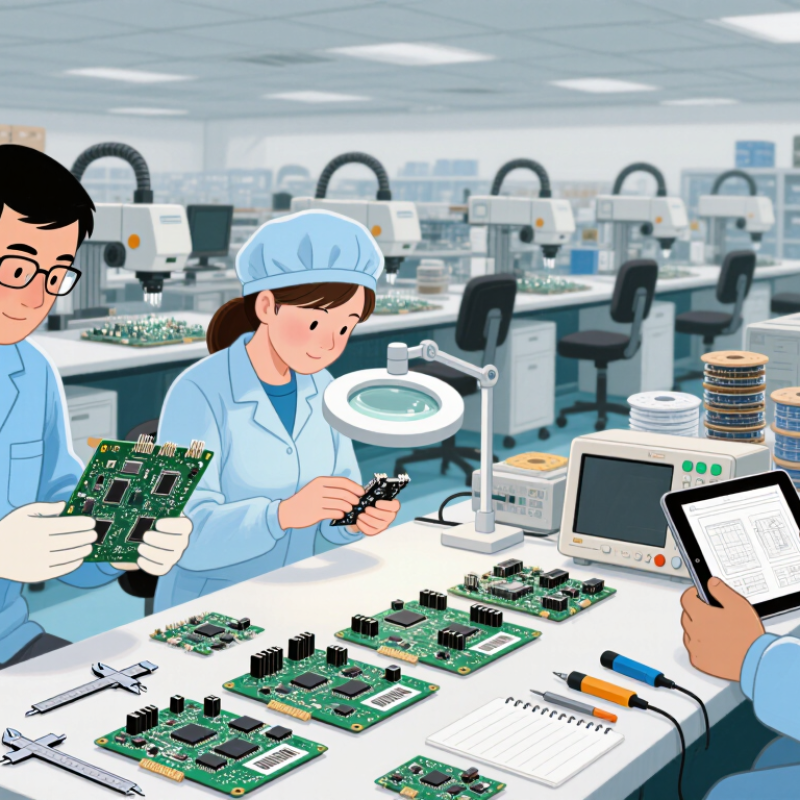
Global buyers should define the board before requesting prices. “Board electronics” may mean a bare PCB, assembled board, or complete tested module. These are different sourcing projects. Document voltage ranges, operating temperature, dimensions, layer count, component lifecycles, and annual demand. Add connector types, protection requirements, firmware ownership, and test coverage. Small omissions become expensive during qualification or customs clearance. They often do.
The Semiconductor Industry Association reported global semiconductor sales of 627.6 billion dollars in 2024, up 19.1% year over year. That growth can tighten allocation for popular controllers and memory devices. The World Semiconductor Trade Statistics forecast placed 2025 sales near 697 billion dollars. These figures support one practical requirement: specify approved alternatives before production starts. A responsible specification names electrical limits, not only one preferred part number. Substitutions should require documented engineering approval.
Compliance must be written into the request. Ask for material declarations, traceability, safety tests, export classification, and regional documentation. IPC guidance supports workmanship and acceptance criteria, but the required class must match product risk. Medical, industrial, and consumer boards cannot share identical assumptions. In practical sourcing reviews, teams often overfocus on unit price while ignoring re-test labor and long-distance returns. That measure is incomplete. Include sample quantities, inspection points, packaging, and failure-response times. Leave room for review. Requirements change when field data exposes heat, vibration, or connector wear.


