Universal Pumping | High Pressure Pumps
High Pressure Pumps for Difficult to Pump Slurry, Sludge, and Food Waste.
Choosing the right food transfer pump is crucial in food processing. According to Dr. Emily Hart, an expert in industrial food systems, "A well-selected pump ensures quality and safety." Her insight emphasizes the importance of making informed decisions in this area.
When selecting a food transfer pump, consider various factors. The size of the pump should match your operation's needs. Pumps that are too small may lead to inefficiencies. Conversely, a pump too large can waste energy and increase costs. Material compatibility is also key. Some pumps may corrode or react negatively with certain foods.
Additionally, think about maintenance requirements. A pump that is easy to clean and inspect promotes safety. If maintenance is a hassle, it can lead to neglect. This situation could compromise food safety standards. Take time to reflect on these elements carefully. Your choice of a food transfer pump can significantly impact your operations and the final product's quality.
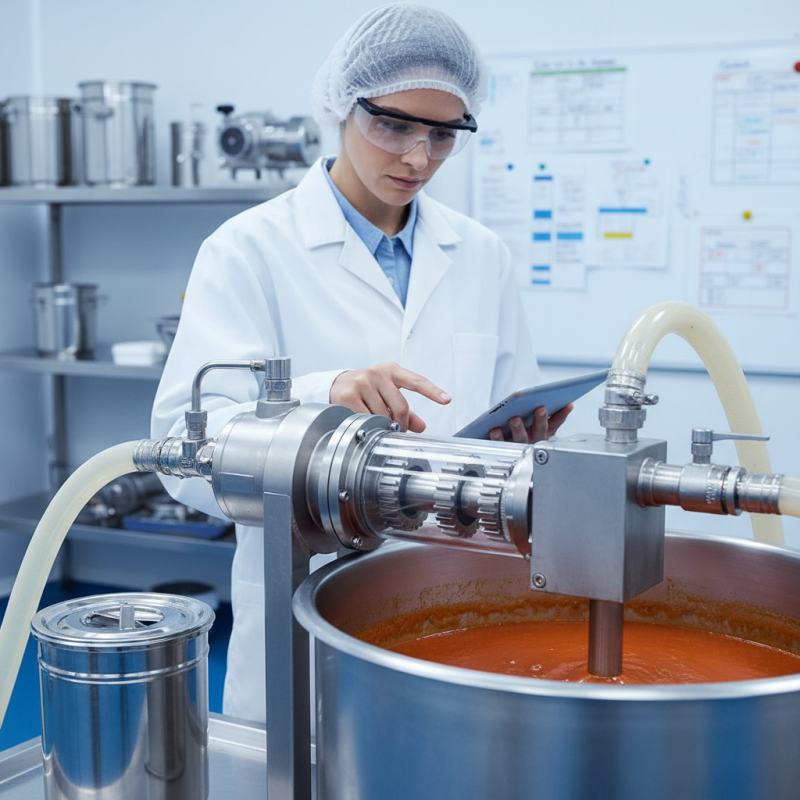
When choosing a food transfer pump, understanding the differences between
diaphragm
and
centrifugal pumps
is crucial.
Diaphragm pumps are great for handling viscous liquids.
They work by creating a vacuum that draws liquid in and pushes it out.
This mechanism allows for precise control, making them ideal for sensitive food products.
However, they may require more maintenance due to their more complex design.
On the other hand,
centrifugal pumps
operate using a rotating impeller.
This design makes them ideal for transferring low-viscosity liquids quickly.
They are generally easier to maintain and can handle larger volumes.
Yet, they might not perform as well with thicker substances.
Users must consider their specific needs when selecting a pump.
Overestimating the pump's capacities
can lead to inefficient operations.
Balancing speed with the type of food is key.
Proper assessment can prevent costly mistakes.
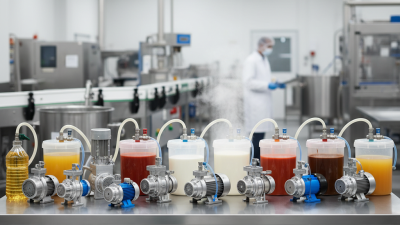
When selecting a food transfer pump, material compatibility is critical. Different food products have unique properties that interact with various materials. For example, acidic foods can corrode certain metals. This can lead to contamination and spoilage. Understanding the chemical composition of your products is essential.
Consider the type of food you will be pumping. Dairy products require pumps made from food-grade stainless steel. This helps prevent bacterial growth. In contrast, sugar solutions may interact poorly with rubber seals. Many overlook this detail, which could result in pump failure.
Also, think about temperature variations. High temperatures can degrade materials over time. Some plastics may deform under heat, causing leaks. It’s vital to assess the temperature range of your intended use. Regular maintenance and inspection can help identify issues before they become serious. Always remain vigilant about the pump’s performance to ensure reliable operation.
When selecting a food transfer pump, understanding the flow rate is crucial. The flow rate determines how quickly products can be moved from one location to another. According to industry reports, optimal flow rates typically range from 10 to 60 gallons per minute, depending on the nature of the liquid. For thicker substances, lower flow rates are often necessary to maintain efficiency.
In practical terms, if too much liquid is transferred simultaneously, it can lead to spillage or contamination. This risk highlights the importance of careful calculation. Each facility's needs may differ, and flow rates should be tailored to fit those specific requirements. For example, a small bakery might only need a pump with a lower flow rate, while a larger processing plant may require a pump that can handle higher volumes.
Adjustments often need to be made. If the flow rate is too high, it may damage sensitive ingredients. Conversely, a pump that is too slow can lead to inefficiencies and increased costs. Understanding the necessary flow rates can guide you in making informed choices, ensuring smooth operations in food handling. Accurate planning and analysis often reveal hidden needs, emphasizing the importance of adaptability in this process.
The following bar chart illustrates the flow rates of various food transfer pump types, giving you an insight into their efficiency for different tasks.
When selecting a food transfer pump, sanitation and hygiene standards are crucial. Contamination can lead to serious health risks. A clean pump ensures quality food transfer. It prevents bacteria growth and protects product integrity. Regular cleaning routines are essential. Routine sanitization should be non-negotiable.
Consider the material of the pump. Stainless steel is a top choice due to its non-porous surface. It prevents food particles from getting trapped. However, not all stainless steel is equal. Check for proper certifications to ensure it meets health standards.
Remember to evaluate the design. A pump that is easy to disassemble and clean is vital. Complicated designs may increase the risk of hidden contaminants. Inspect seals and gaskets too. Old or worn components can harbor pathogens. Hygiene is not just a checklist; it’s a daily commitment.
| Criteria | Importance | Hygiene Standards | Material Considerations |
|---|---|---|---|
| Pump Type | Ensures efficiency in transferring various food products. | Must comply with FDA standards for food contact. | Stainless steel is preferred for its non-reactive properties. |
| Flow Rate | Critical for production speed and efficiency. | Ensure that the flow does not compromise safety. | Ensure proper cleaning and maintenance protocols. |
| Ease of Cleaning | Facilitates sanitation and prevents contamination. | Ability to disassemble for thorough cleaning. | Smooth surfaces reduce bacteria buildup. |
| Durability | Long-term reliability under various conditions. | Must withstand regular cleaning materials. | Corrosion-resistant materials extend lifespan. |
| Energy Efficiency | Reduces operational costs and environmental impact. | Lower energy consumption promotes compliance. | Innovative designs optimize performance. |
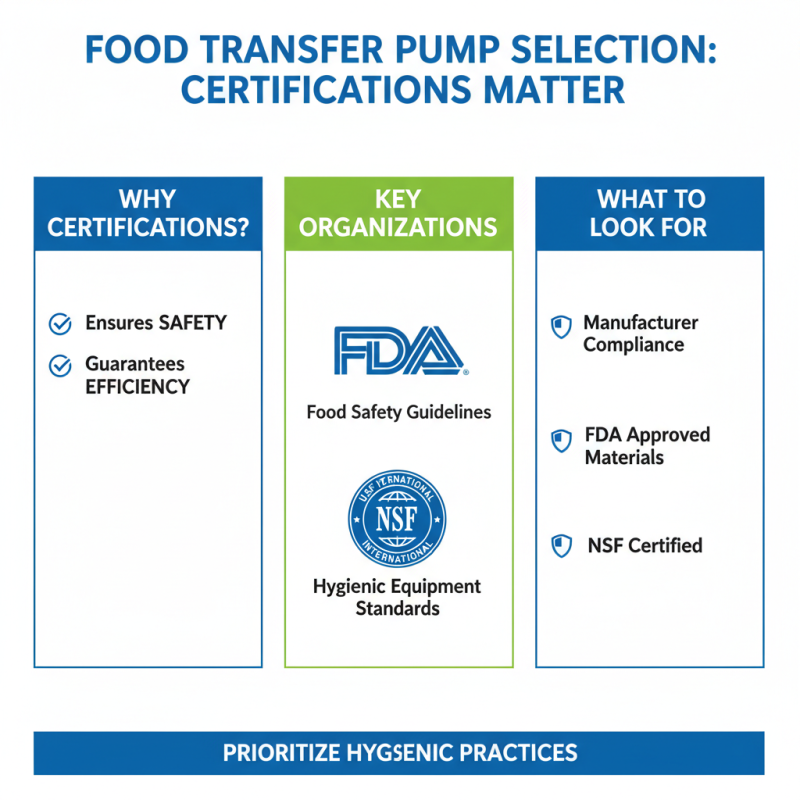
When selecting a food transfer pump, reviewing manufacturer certifications is crucial. According to industry standards, pumps must meet specific criteria to ensure safety and efficiency. Organizations like the FDA and NSF outline guidelines for food-safe equipment. Ensure the manufacturer complies with these standards. Look for certifications that demonstrate adherence to hygienic practices.
Industry reports indicate that approximately 25% of food safety issues stem from equipment failures. Using pumps that lack appropriate certifications can lead to contamination risks. It's vital to check if the manufacturer has certifications relevant to your specific food processing requirements. For example, a pump certified for dairy should meet different standards than one for liquids or syrups.
Consider how certifications reflect a manufacturer's quality control processes. Regular audits and third-party inspections can ensure ongoing compliance. However, some manufacturers may seek shortcuts, leading to potential pitfalls. Research the track record of the manufacturers. Explore reviews and feedback from other users. This step can provide insights into reliability and performance, allowing you to make informed decisions.
Universal Pumping
625 Apache Trail
Woodstock, GA 30189
Mon - Fri | 9:00 AM - 5:00 PM
Universal Pumping is staffed with industry professionals with 20-45 years experience with high pressure pumping systems. We represent only the “elite producers” in pump manufacturing: Britain’s EMS and Germany’s EMMERICH. Our engineering and manufacturing approach is conservative, and we do not use “guess work” in the design or sales of our pumping and filtration equipment.