
What Are the Top Auto Phone Holder Types in 2026?

In 2026, an Auto Phone Holder is more than a small cabin accessory. It must keep a phone steady on rough roads, remain easy to reach, and avoid blocking the driver’s view. The best choice depends on the vehicle, phone size, and daily routine. A compact sedan has different needs from a work truck. Small details matter.

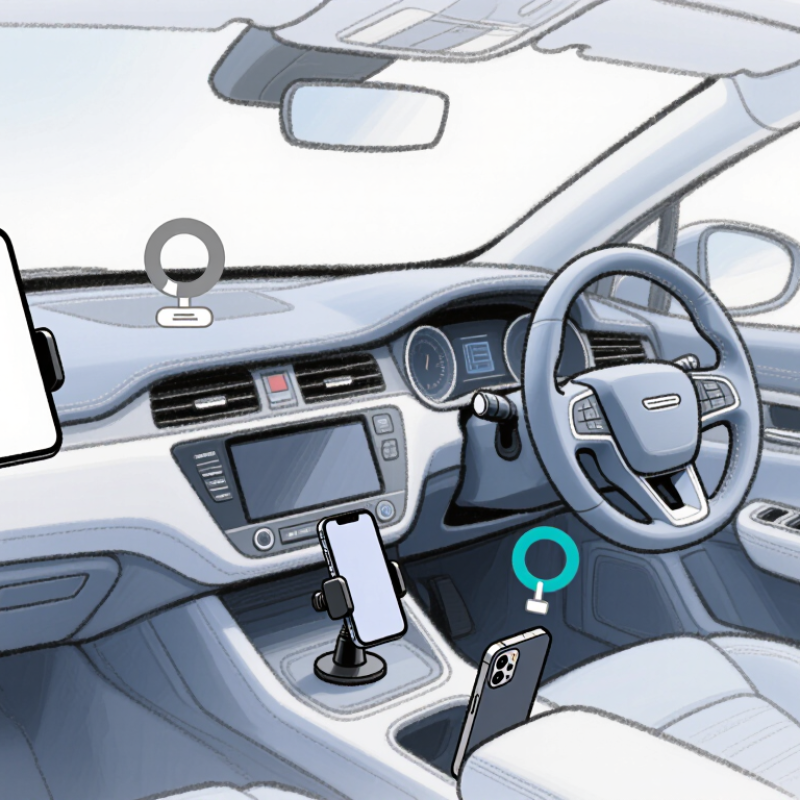
This overview compares the main types: dashboard and windshield mounts, vent clips, cup-holder stands, CD-slot holders, and magnetic or wireless-charging models. Each has trade-offs. A vent clip may sit close to eye level, but can interfere with airflow. A suction mount offers flexible placement, though heat can weaken its grip. Wireless charging reduces cable clutter. It can also add bulk. There is no perfect fit.

Auto-accessory design consultant Evan Cole is a fictional composite expert created for this introduction, not a source of verified industry research. His illustrative viewpoint captures a useful principle: “A good holder keeps the phone visible, stable, and out of the driver’s way.” That is the right test, even if it sounds obvious. Real cabins are messy; vents differ, dashboards curve, and cables snag. Before choosing, check the holder’s fit, adjustability, and charging needs. This guide will help readers compare options without treating popularity as proof of quality. The practical winner is the one that works securely in your own car.
What Are the Top Auto Phone Holder Types in 2026?

What an Auto Phone Holder Is and How It Works

What Are the Top Auto Phone Holder Types in 2026?

An auto phone holder is a small support that keeps a phone visible and reachable inside a vehicle. It attaches to a vent, dashboard, windshield, cup holder, or another suitable surface. The holder reduces the need to pick up a phone while driving, but it does not replace careful attention to the road. Most designs use a spring clamp, adjustable cradle, or magnetic plate to keep the device in place. Simple idea. Fit matters.

The holder’s base grips or adheres to the vehicle, while its cradle or magnet secures the phone. Ball joints and swivel arms let drivers adjust the viewing angle before setting off. A mount can feel firm while parked but shift over bumps, especially if its surface is dusty or its arm is extended too far. Check that the phone stays stable and that the mount does not block the driver’s view, controls, or airbag areas. Compatibility varies: some holders need a particular phone case or a metal plate, while clamp styles fit a wider range of devices.

Tips: Clean the mounting surface before installation, then test the holder with the phone in place. Keep the screen within easy sight without staring at it. Recheck the grip after temperature changes or rough trips. A setup that works in one car may not fit another, and that can be annoying.

The Main Auto Phone Holder Types in 2026

The Main Auto Phone Holder Types in 2026

The main auto phone holder types in 2026 include vent-mounted, dashboard-mounted, windshield-mounted, cup-holder, and magnetic designs. Each suits a different cabin layout. Vent clips are compact and easy to install, but they may block airflow or fit poorly on thick, angled vents. Dashboard and windshield mounts offer flexible positioning. Their suction pads need a clean, smooth surface to stay secure, especially in hot weather.

Cup-holder mounts use a weighted or adjustable base and often provide a steady view without attaching to the dash. They can, however, occupy a useful compartment or sit too low for quick glances. Magnetic holders are slim and simple to adjust, but they require a compatible phone or metal plate. Check that the magnet and case hold the device firmly over bumps. Small detail, big difference.

Some mounts also include wireless charging or an adjustable charging arm. These features can reduce cable clutter, though they may add bulk and cost. Before choosing, check your vent shape, dashboard material, phone size, and preferred viewing position. Keep the screen within easy reach, but avoid placing it where it obstructs your view. There is no perfect fit for every car; even a sturdy holder can wobble on a rough road. I would check the joint tightness and phone grip before relying on it for daily drives.

How Mounting Methods and Grip Systems Differ

In 2026, auto phone holders mainly differ by where they attach and how they secure a phone. Windshield suction mounts offer flexible positioning, but heat, dust, or a curved surface can weaken their hold. Dashboard adhesive mounts sit lower and feel steady, though removal may leave residue. Vent clips install quickly, but heavy phones can make some vents sag. Cup-holder mounts avoid the glass and vents, yet may sit too low for an easy glance.

Grip systems bring different trade-offs. Spring-loaded arms fit varied phone widths and can be opened by hand. Magnetic mounts allow quick placement, but need a compatible plate or case and careful alignment. Motorized clamps close around the phone automatically; useful, perhaps, but another mechanism can fail. NHTSA’s 2022 crash data recorded 3,308 deaths involving distracted driving. A secure mount cannot prevent distraction, but it can keep a phone from sliding across the cabin. That matters.

Tips: Test the mount on a short, stationary check before driving. Make sure the screen stays visible without blocking your forward view. Press the phone into the grip and gently tug it. If the vent bends or the base shifts, choose another mounting point. Even a popular design may not suit your car.

Top Auto Phone Holder Types in 2026: Mounting Methods and Grip Systems

A feature comparison of representative holder configurations—not market-share or popularity data. A value of 1 means the feature is part of that configuration; 0 means it is not.

Vent clips, suction cups, adhesive bases, cup-holder bases, and CD-slot mounts attach to different parts of a vehicle. Clamps grip a phone mechanically, while magnetic holders retain a phone using a magnet and a compatible phone or case.

Benefits and Limitations of Each Holder Type

What Are the Top Auto Phone Holder Types in 2026?
Benefits and Limitations of Each Holder Type

Vent-mounted holders keep a phone close to eye level and leave the windshield clear. They are quick to install and usually easy to adjust. But heavy phones can make some vents sag, and airflow may heat or chill the device. Check that the clip fits your vent before buying.

Dashboard and windshield mounts offer flexible positioning, often using a suction cup or adhesive base. They can hold larger phones steadily, though heat, dust, and textured surfaces may weaken attachment. A cup-holder mount avoids adhesive and vent issues, but its tall arm can wobble on rough roads or crowd nearby controls. Convenient, but bulky.

Magnetic holders make one-handed docking simple, while clamp-style holders grip a wider range of phone shapes. Magnetic systems may require a compatible plate or case, and clamps can cover side buttons if positioned poorly. Wireless-charging models reduce cable clutter, but charging can slow when the phone runs hot or sits off-center. Before driving, test the grip, adjust the viewing angle, and make sure the mount does not block your view or essential controls. Small detail, big difference.

What Are the Top Auto Phone Holder Types in 2026? - Benefits and Limitations of Each Holder Type

Holder Type Typical Mounting Point Main Benefits Limitations Best Suited For
Vent-Clip Mount Clips onto an air-conditioning vent Usually quick to install and remove; keeps the phone within easy reach; does not require adhesive. May block or redirect airflow; compatibility depends on vent shape and strength; heavier phones can cause some vents to tilt or sag. Drivers who want a simple, removable mount and have sturdy, compatible vents.
Dashboard Adhesive Mount Attaches to a flat area of the dashboard with an adhesive pad or base Offers flexible placement; can provide a stable viewing position when installed on a suitable surface; leaves vents unobstructed. Adhesion may be reduced by textured, curved, dusty, or very hot surfaces; removal can leave residue or affect some finishes; placement is less easily changed. Drivers with a suitable flat dashboard area who prefer not to use a vent or windshield mount.
Windshield Suction-Cup Mount Attaches to the windshield with a suction cup, sometimes on a short extension arm Can be repositioned without dashboard adhesive; often provides a clear, adjustable viewing angle; installation is generally straightforward. Heat, dust, glass texture, and an imperfect seal can weaken suction; the mount may obstruct part of the view if positioned poorly; local rules may restrict windshield placement. Drivers whose vehicle layout makes a safe, unobstructed windshield position practical and lawful.
Cup-Holder Mount Fits into a vehicle cup holder, often with an adjustable base and extension arm Avoids attaching anything to the dashboard, vents, or glass; can be useful in vehicles with limited mounting surfaces; many designs allow height and angle adjustments. Uses a cup holder; a long arm can wobble on rough roads; the phone may sit lower or farther from the driver than with other mount types. Vehicles with an available cup holder positioned within comfortable, safe reach.
CD-Slot Mount Secures in an unused CD-player slot Can provide a central, reachable position; does not rely on adhesive or vent clips; may offer a firm fit in compatible vehicles. Not suitable if the CD slot is absent, occupied, or poorly positioned; may obstruct access to the player; fit varies by slot design. Vehicles with an unused CD slot in a convenient location.
Magnetic Mount Uses a magnet and a compatible phone case or metal plate; the base may attach to a vent, dashboard, or windshield Allows quick one-handed attachment and removal; has a compact design; can make phone positioning simple when the phone and mount are compatible. Requires a compatible magnetic setup; some cases or accessories can interfere with attachment or wireless charging; strength and stability depend on the magnet, base, and phone weight. Drivers who prioritize fast phone access and are comfortable using a compatible case or mounting plate.
Wireless-Charging Mount Usually attaches to a vent, dashboard, or windshield and holds the phone near a charging coil Can hold the phone and charge it at the same time; reduces the need to connect a charging cable for each trip; some models automatically align or clamp the phone. Requires a compatible phone and power connection; charging performance can vary with alignment, case thickness, temperature, and power supply; typically costs more than a basic holder. Drivers who want charging during navigation and have a compatible phone and suitable vehicle power source.

How to Choose a Holder for Your Vehicle and Phone

Choosing an auto phone holder starts with your phone, including its case. Measure the full width and check the holder’s stated size range. A thick case or pop-out grip can make a compatible-looking cradle unusable. Small detail. Also check whether the design uses a clamp, magnetic plate, or adjustable arms, and whether your phone supports that setup.

Your vehicle’s interior matters just as much. Vent-mounted holders are compact, but heavy phones may strain weak or unusually shaped vent slats. Dashboard mounts need a flat, clean surface; textured trim can weaken the adhesive. Windshield and cup-holder mounts offer other positions, though their reach and stability vary. Test the location while parked. Keep the screen within easy sight without blocking your view, controls, or airbag areas.

Look for a joint that stays put on bumpy roads and adjusts without forcing the phone. If you want charging, confirm the holder supports your phone’s charging method and leaves its port accessible. Check cable reach before routing anything. I would not judge a mount by a quick showroom fit alone; heat, rough roads, and a bulky case can change how securely it holds. Start with a parked fit test, then reassess after a short drive.

Company Info

Universal Pumping

625 Apache Trail
Woodstock, GA 30189

Mon - Fri | 9:00 AM - 5:00 PM

Connect With Us

About Universal Pumping

Universal Pumping is staffed with industry professionals with 20-45 years experience with high pressure pumping systems. We represent only the “elite producers” in pump manufacturing: Britain’s EMS and Germany’s EMMERICH. Our engineering and manufacturing approach is conservative, and we do not use “guess work” in the design or sales of our pumping and filtration equipment.