Universal Pumping | High Pressure Pumps
High Pressure Pumps for Difficult to Pump Slurry, Sludge, and Food Waste.
Diaphragm transfer pumps play a crucial role in various industries, facilitating efficient fluid transfer. According to a recent market report by Grand View Research, the global diaphragm pump market is projected to reach $3.5 billion by 2027, growing at a CAGR of 5.3%. This trend indicates increasing reliance on diaphragm transfer pumps for their reliability and versatility.
In sectors such as chemical processing, food and beverage, and wastewater management, diaphragm transfer pumps excel. Their design minimizes leakage and allows for precise flow control. Many facilities are moving toward diaphragm pumps for transferring corrosive fluids and sludges, emphasizing the need for reliable equipment.
However, users should reflect on pump selection and maintenance. Not all diaphragm transfer pumps are equal, and incorrect choices can lead to inefficiencies. Taking the time to understand flow rates, materials, and applications can significantly improve operational success.
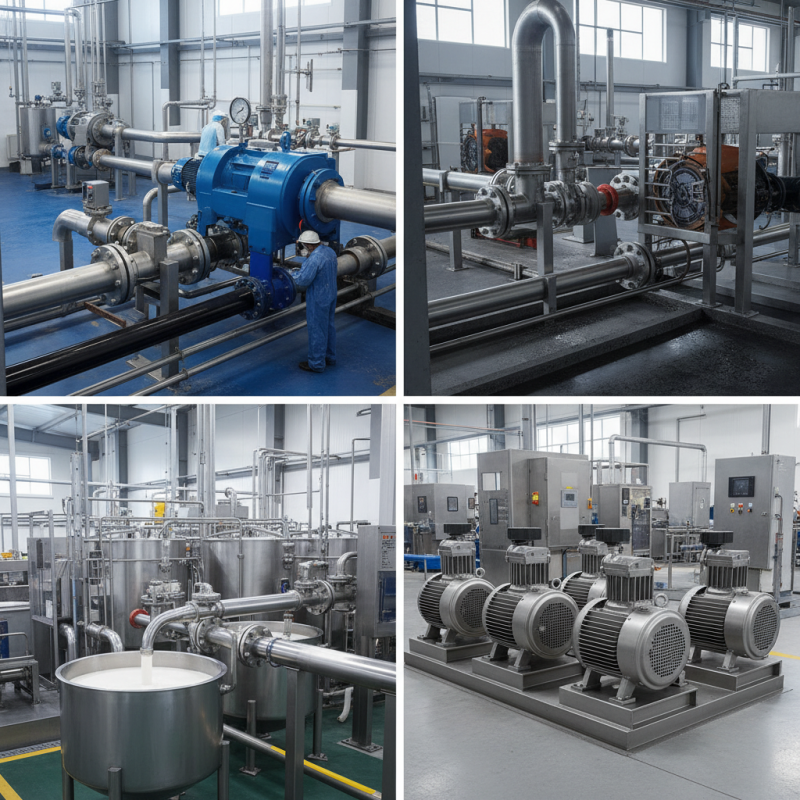
Diaphragm transfer pumps are vital for fluid efficiency across various industries. Their design allows for controlled fluid movement, ensuring minimal spillage and maximum transfer rates. According to a report by the Fluid Power Journal, these pumps can achieve flow rates of up to 50 gallons per minute, making them suitable for diverse applications. Key characteristics include their ability to handle corrosive and viscous liquids, which traditional pumps may struggle with.
Another important factor is their energy efficiency. A study by the International Journal of Energy Engineering reveals that diaphragm pumps can reduce energy consumption by up to 30% compared to standard centrifugal pumps. This efficiency is largely due to their positive displacement mechanism, which conserves energy during operation. However, maintenance can be a challenge. Over time, diaphragms may wear out, leading to potential leaks and reduced performance. Regular inspections are crucial to ensure optimal operation.
Moreover, diaphragm transfer pumps are versatile. They can be used in both wet and dry conditions, making them adaptable to various settings. Despite their advantages, users must consider the specific applications carefully. Choosing the wrong pump for a given task can lead to inefficiencies and higher operational costs. Finding the right balance is essential for achieving long-term goals.
| Model | Max Flow Rate (GPH) | Max Pressure (PSI) | Material Compatibility | Weight (lbs) | Power Source |
|---|---|---|---|---|---|
| Model A | 300 | 50 | Chemical, Water | 15 | Electric |
| Model B | 250 | 60 | Food Grade | 20 | Pneumatic |
| Model C | 400 | 70 | Water, Oil | 25 | Electric |
| Model D | 350 | 55 | Chemical | 18 | Pneumatic |
| Model E | 200 | 45 | Water | 12 | Electric |
| Model F | 450 | 80 | Biofuel | 30 | Pneumatic |
| Model G | 275 | 65 | Chemical, Water | 22 | Electric |
| Model H | 320 | 75 | Water, Oil | 28 | Pneumatic |
| Model I | 390 | 90 | Food Grade, Chemical | 35 | Electric |
| Model J | 260 | 50 | Chemical | 10 | Pneumatic |
When it comes to fluid transfer, diaphragm pumps stand out for their efficiency. This comparative analysis highlights key flow rates in various diaphragm pump models. Understanding these rates is crucial for selecting the right pump for your needs. High flow rates often correlate with effective moving of fluids, leading to smooth operations.
While investigating flow rates, you might find some models perform admirably while others lag behind. Performance can vary based on factors such as fluid viscosity and pump design. A pump might excel in one scenario but struggle in another. Assessing these variables is essential when making a choice.
Tips: Always match the pump's specifications with your fluid's characteristics. This ensures optimal performance and extends the pump’s lifespan. Do not overlook maintenance. Regular checks can prevent unexpected failures and maintain efficiency. Also, consider the environment where the pump operates. Different settings may require unique features from the pump.
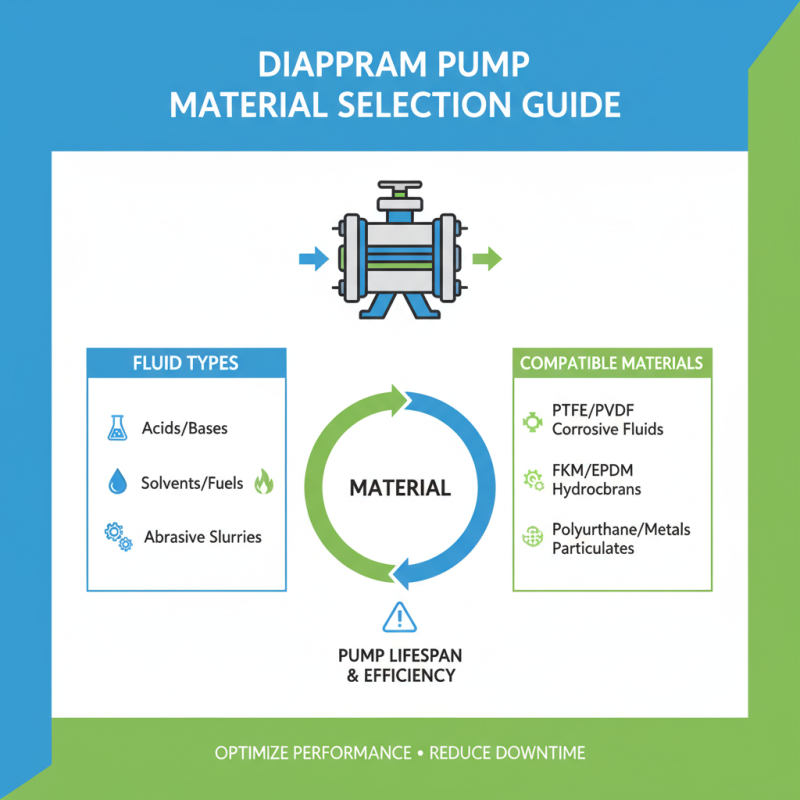
Diaphragm pumps have gained popularity for fluid transfer due to their efficiency. However, choosing the right material for these pumps is crucial. Different fluids can react with materials in a diaphragm pump. This compatibility affects the pump's lifespan and performance.
When selecting a diaphragm pump, consider the fluid's chemical nature. Corrosive liquids require tough materials. In contrast, non-corrosive fluids allow for more flexibility in material choices. Often, users overlook the importance of this aspect. Using incompatible materials can lead to failures. Such failures result in costly downtime and potential spills.
Durability often comes down to the diaphragm material. Some are made from rubber, while others use thermoplastic. Each option has its pros and cons. Rubber can withstand certain chemicals well but might degrade quickly in others. Thermoplastic might offer an excellent balance but could be less durable in harsh conditions. Carefully assessing the intended application is essential, as a small oversight can lead to inefficiencies.
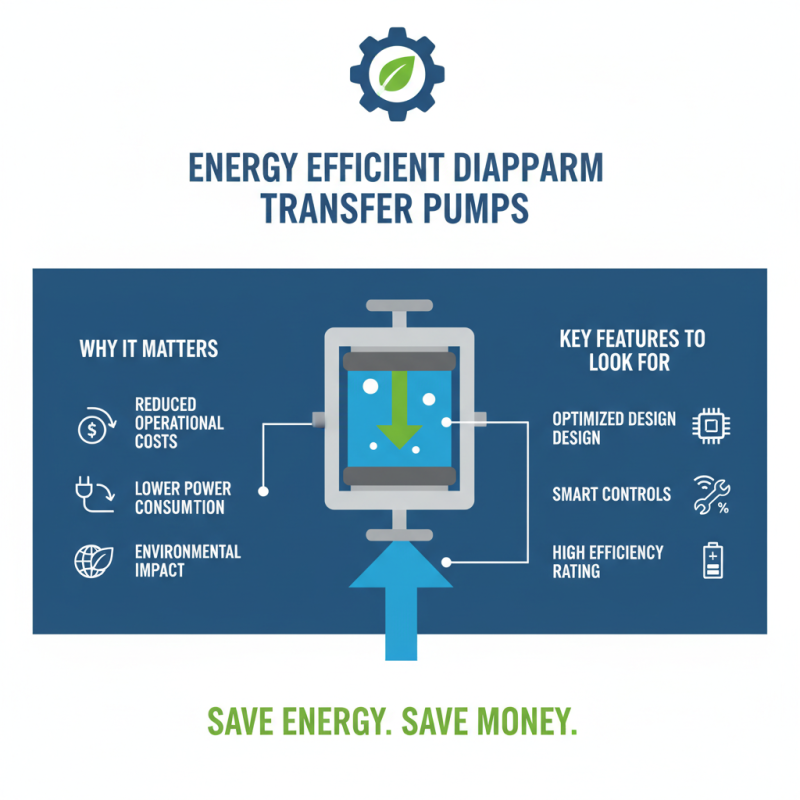
When choosing a diaphragm transfer pump, energy efficiency is key. A pump’s efficiency rating illustrates how much power it consumes in relation to its performance. Look for models designed with energy-saving features. Such pumps can reduce operational costs significantly over time.
Consider the application before selecting a pump. Some efficient designs may not suit all types of fluids. Always check the compatibility with your specific liquid. Neglecting this can lead to inefficiencies and increased wear and tear.
Tips for optimal performance: Regular maintenance is crucial. Clean filters and inspect for leaks often. Ensuring seals are tight can avoid energy loss. In many cases, users overlook the importance of nozzle sizes. The wrong nozzle can drastically affect flow rates and efficiency. Always consult the specifications for best results.
Diaphragm transfer pumps are crucial in various industries. These pumps excel in handling different fluids, from chemicals to food products. Their versatility can be seen in manufacturing, where they transfer fluids safely. In food production, they ensure cleanliness and prevent contamination. This is vital for compliance with health regulations.
Another important application is in wastewater treatment. Diaphragm pumps manage sludge and other waste materials effectively. They help in maintaining proper flow rates, which can be challenging in demanding environments. However, operators must be attentive, as pump wear can lead to inefficiencies. Regular maintenance is essential to avoid costly breakdowns.
In the pharmaceutical sector, these pumps play a critical role. Accurate fluid transfer is necessary for consistency and quality. Any deviations can lead to major issues, affecting product batches. This highlights the importance of choosing the right pump for specific applications. Even the best systems require constant evaluation and improvement. Proper training of personnel is crucial to maximize efficiency.
Universal Pumping
625 Apache Trail
Woodstock, GA 30189
Mon - Fri | 9:00 AM - 5:00 PM
Universal Pumping is staffed with industry professionals with 20-45 years experience with high pressure pumping systems. We represent only the “elite producers” in pump manufacturing: Britain’s EMS and Germany’s EMMERICH. Our engineering and manufacturing approach is conservative, and we do not use “guess work” in the design or sales of our pumping and filtration equipment.