
Top Flotation Equipment for Global Buyers in 2026?

As the global market evolves, the demand for advanced Flotation Equipment grows. This technology is essential for various industries, especially in mining and recycling. Its effectiveness in separating materials makes it invaluable. However, choosing the right equipment can be challenging for buyers.

In 2026, the landscape for Flotation Equipment is expected to shift. New innovations will emerge, but not all will meet buyers' needs. Thus, understanding the specifications and capabilities of available options is crucial. Many buyers often struggle with compatibility and efficiency. It's vital to research and identify the right features that align with operational goals.

Moreover, buyers must seek information from reliable sources. Equipment reviews and expert consultations can provide critical insights. The future market will also bring a wave of sustainability concerns. Evaluating the environmental impact of Flotation Equipment will be necessary. As we approach 2026, the importance of making informed decisions cannot be overstated. Knowing what is truly valuable can significantly influence operational success.
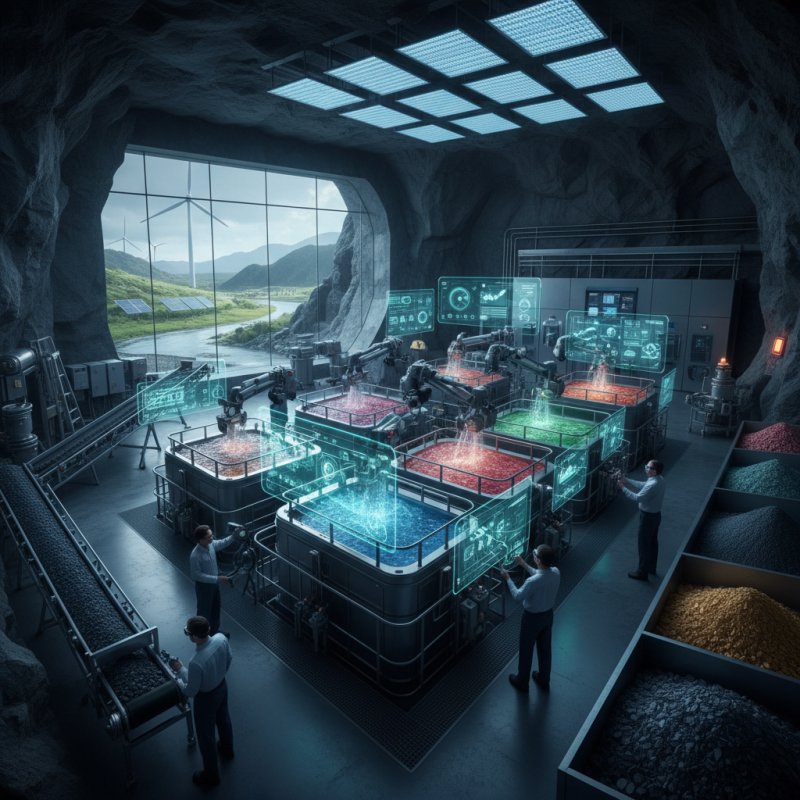
Top Flotation Equipment for Global Buyers in 2026?

Overview of Flotation Equipment Market Trends in 2026

The flotation equipment market is set to experience notable trends in 2026. According to a recent industry report by Grand View Research, the global flotation equipment market could exceed $3 billion by 2026. This growth is driven by the increasing demand in the mining, recycling, and wastewater treatment sectors. Companies are now prioritizing eco-friendly technologies and cost-effective solutions.

One of the prominent trends is the shift towards automation in flotation processes. Research indicates that automated systems can enhance efficiency by 10-15%. However, integrating such systems poses challenges for many operators due to high initial costs. Additionally, there’s a growing concern about the maintenance of these advanced systems. In many regions, insufficient technical knowledge can hinder the proper use of automated flotation technologies.

Furthermore, the demand for customization is on the rise. Operators seek equipment that can be tailored to specific mineral characteristics. Nevertheless, achieving this balance between customization and standardized solutions is tricky. Many manufacturers are struggling to meet diverse market needs while ensuring consistent quality. The industry's future relies on addressing these complexities to enhance operational efficiency and customer satisfaction.

Key Features and Innovations in Flotation Equipment for 2026

The flotation equipment market is evolving rapidly. By 2026, new features will enhance efficiency and recovery rates. Innovative designs focus on improving air dispersion and reducing energy consumption. Enhanced materials will increase durability, making equipment more reliable in harsh conditions.

Another key feature will be automation in flotation processes. Smart technology will enable real-time monitoring and adjustments. This reduces human error and improves operational efficiency. However, reliance on technology may raise concerns about over-dependence and potential system failures.

Sustainability remains a priority. Eco-friendly materials and processes are being integrated. Companies must balance innovation with environmental responsibility. This adds complexity to product design but is necessary for long-term success. The challenge lies in ensuring that advancements do not sacrifice performance.

Top Manufacturers and Suppliers of Flotation Equipment in 2026

In 2026, the flotation equipment industry will see significant advancements. Global buyers will seek reliable manufacturers and suppliers who offer innovative solutions. Companies that prioritize research and development will lead the market. They will focus on enhancing efficiency and sustainability in flotation processes. These aspects are crucial for industries like mining and wastewater treatment.

The top manufacturers will have a track record of delivering quality products. They will also ensure their equipment meets international standards. Prospective buyers will look for detailed specifications and proven performance metrics. This information is vital for making informed purchasing decisions. Manufacturers must also provide excellent customer support and maintenance services.

However, not all suppliers will meet these expectations. Buyers may encounter issues with product consistency or reliability. Assessing suppliers' reputations and track records will be necessary. Interested buyers should compare multiple options. Seeking feedback from industry peers can provide valuable insights. Transparent communication with suppliers is essential to address any concerns.

Top Flotation Equipment Market Share by Type in 2026

Cost Considerations for Buyers of Flotation Equipment in 2026

When considering flotation equipment in 2026, cost plays a crucial role. Buyers need to evaluate both upfront costs and long-term operational expenses. Prices can vary significantly based on technology and capacity. Selecting the right equipment may involve trade-offs between quality and price. Low-cost options can lead to higher maintenance expenses.

Beyond the initial investment, understanding operational efficiency is key. Inefficient equipment increases energy consumption, leading to higher bills over time. Price negotiations can be complex. Buyers often overlook hidden costs, such as installation and training. These can inflate the budget unexpectedly.

Investing in high-quality flotation systems can offer better longevity and performance. Nevertheless, not all high-end equipment guarantees a return on investment. It’s essential for buyers to conduct thorough assessments, exploring both costs and performance metrics. This reflection can prevent poor purchasing decisions.

Regulatory and Environmental Factors Influencing Flotation Equipment in 2026

In 2026, the flotation equipment sector will face significant regulatory and environmental challenges. New standards aim to reduce emissions and improve energy efficiency. The recent report from the International Maritime Organization (IMO) highlights a 30% reduction target for greenhouse gases by 2030. Such regulations will push manufacturers to innovate. Enhancing flotation technology to comply with these standards will be crucial.

Water quality regulations are also becoming stricter. For instance, a study by the Environmental Protection Agency (EPA) indicates that industries must minimize effluent discharge. Many regions now require technologies that support water recycling and waste reduction. This trend places pressure on flotation equipment providers to develop sustainable solutions.

Innovative designs like closed-loop systems are gaining traction. These systems allow for better management of both water and chemicals. However, transitioning to new technologies can be a challenge. There’s skepticism in the industry regarding implementation costs and effectiveness. Some companies may struggle with operational changes needed to adhere to these regulations. As the landscape evolves, businesses must balance compliance with profitability.

Top Flotation Equipment for Global Buyers in 2026

Flotation Equipment Type Application Regulatory Compliance Environmental Impact Market Growth Rate (%)
Mechanical Flotation Cells Mineral Processing ISO 9001 Certified Low Noise Emission 5.5%
Column Flotation Cells Chemical Processing REACH Compliant Minimal Waste Emissions 6.2%
Dissolved Air Flotation (DAF) Wastewater Treatment EPA 40 CFR Compliance High Efficiency Water Recovery 7.0%
Froth Flotation Systems Coal Beneficiation NSF Certified Reduced Carbon Footprint 4.8%
Microbubble Flotation Industrial Waste Treatment ISO 14001 Certified Improved Energy Efficiency 6.0%

Company Info

Universal Pumping

625 Apache Trail
Woodstock, GA 30189

Mon - Fri | 9:00 AM - 5:00 PM

Connect With Us

About Universal Pumping

Universal Pumping is staffed with industry professionals with 20-45 years experience with high pressure pumping systems. We represent only the “elite producers” in pump manufacturing: Britain’s EMS and Germany’s EMMERICH. Our engineering and manufacturing approach is conservative, and we do not use “guess work” in the design or sales of our pumping and filtration equipment.