China Top High Pressure Transfer Pump Suppliers

Choosing a high pressure transfer pump supplier in China involves more than comparing prices or catalog photos. Buyers need to match pump design with the fluid, operating pressure, flow rate, temperature, and duty cycle. A pump handling clean water may not suit viscous oil, abrasive slurry, or corrosive process fluids. Small details matter. Seal material, wetted components, motor configuration, and connection size can shape service life and maintenance needs. A capable supplier should explain these choices clearly and provide current product data, drawings, and test information. Claims deserve verification.

When evaluating China Top High Pressure Transfer Pump Suppliers, compare manufacturing experience, inspection procedures, customization options, and technical support. Ask how a pump performs at the required pressure and flow, not only at its stated maximum. Request details about materials, seals, spare parts, lead times, and maintenance access. Where relevant, confirm certifications and test records directly, since requirements depend on the application and destination. Clear communication is useful. An engineer asking about viscosity, solids, start-stop frequency, and installation conditions can make a more suitable recommendation. Price still matters, but a low quotation may omit commissioning help or essential accessories. That deserves a second look. Supplier replies can be incomplete, and specifications may need independent review. Use this guide to compare suppliers methodically and shortlist partners whose evidence matches your operating needs.
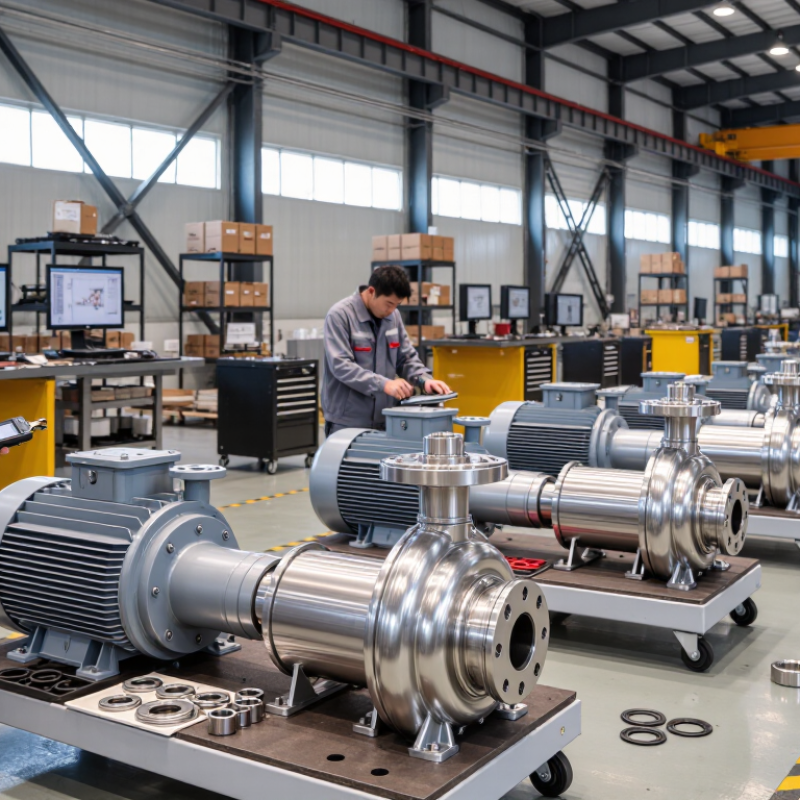
China Top High Pressure Transfer Pump Suppliers

What High-Pressure Transfer Pumps Are and Where They Are Used

China Top High Pressure Transfer Pump Suppliers
What High-Pressure Transfer Pumps Are and Where They Are Used

High-pressure transfer pumps move liquids through a system when the required discharge pressure is higher than a standard transfer pump can provide. Depending on the job, they may use a positive-displacement design or multiple centrifugal stages. The right choice depends on flow rate, liquid properties, and operating pressure—not pressure alone. A pump can deliver pressure but still be poorly matched to the process.

These pumps are used in industrial water supply, reverse-osmosis systems, equipment cleaning, irrigation, and some process lines. For example, a plant may use one to push water through fine filtration, while a wash station needs steady flow at a higher pressure. Viscous liquids, abrasive particles, and temperature changes can affect performance and seal life. Small details matter. I would check the actual operating conditions rather than rely only on a pump’s maximum-pressure rating.

Tips: Confirm the required flow and pressure at the same time. Check fluid compatibility, inlet conditions, and seal materials. Watch for vibration or unusual noise; these can signal poor suction conditions or cavitation.
China Top High Pressure Transfer Pump Suppliers — What High-Pressure Transfer Pumps Are and Where They Are Used

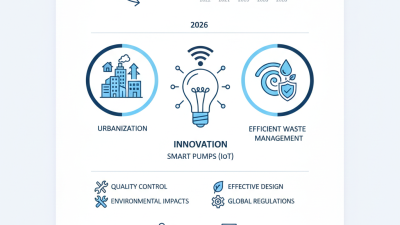
High-pressure transfer pumps move liquids through systems that require elevated pressure. The chart shows indicative operating-pressure ranges in selected applications; actual requirements vary with system design and process conditions.

Pressure ranges are approximate industry examples, not universal specifications. Always check the requirements of the specific application and equipment.

How China’s High-Pressure Pump Supplier Market Is Organized

China’s high-pressure pump supply market is layered rather than uniform. At the top are pump manufacturers, which design and assemble plunger, piston, or multistage units. Component workshops supply seals, valves, castings, and precision-machined parts. System integrators then combine pumps with motors, controls, pipes, and safety devices. Regional distributors handle stock, delivery, and routine service. The chain can feel fragmented.

Grand View Research’s Industrial Pumps Market report estimated global industrial-pump revenue at about USD 66.7 billion in 2023, with a projected 4.9% compound annual growth rate from 2024 to 2030. This broad category includes many pump types, not just high-pressure models. It signals a sizable industrial market, but cannot be used as a direct measure of China’s high-pressure pump sales.

For buyers, supplier roles matter as much as factory capacity. A manufacturer may build the pump but rely on an integrator to size piping and select controls. Ask for pressure-flow curves, wetted-material details, and test records for the exact configuration. Check whether service staff can diagnose seal leakage or vibration onsite. A catalogue rating is not the same as sustained performance. That distinction is easy to miss. China’s supplier directories and trade statistics also group products broadly, so verifying pressure range and application experience remains essential.

China Top High Pressure Transfer Pump Suppliers - How China’s High-Pressure Pump Supplier Market Is Organized
Supplier Segment Typical Pump Technologies Common Applications Typical Supply Scope Key Evaluation Checks
Specialist pump manufacturers Positive-displacement pumps, including plunger, piston, and diaphragm designs; some also manufacture multistage centrifugal pumps. High-pressure liquid transfer, process dosing, cleaning systems, and industrial fluid handling. Pump units, selected drive options, materials and seal configurations, and technical documentation. Confirm the pressure and flow duty point, fluid compatibility, allowable operating range, performance curve, and factory test records.
Industrial pump manufacturers with broader product ranges Multistage centrifugal and other centrifugal pump configurations; product availability depends on the manufacturer’s range. Water supply, boiler-feed duties, industrial circulation, and transfer of suitable low-viscosity liquids. Standardized pump models, motors, baseplates, and optional accessories or control equipment. Check whether the selected model can meet the required discharge pressure and flow together, and verify the operating point against the pump curve.
OEM and contract manufacturers Designs or pump assemblies produced to a purchaser’s specification, which may use positive-displacement or centrifugal technology. Private-label product programs, equipment packages, and application-specific projects. Manufacturing, assembly, inspection, packaging, and documentation to agreed requirements. Review design ownership, component traceability, quality-control procedures, change management, and sample-testing arrangements.
System integrators and package builders Pump-and-motor packages incorporating suitable pump types, piping, valves, instruments, and controls. Skid-mounted process systems, pressure boosting, test rigs, and packaged industrial equipment. Integrated skids or systems, commissioning support, control panels, and project documentation. Define system boundaries, control and safety requirements, interface responsibilities, commissioning scope, and acceptance tests.
Distributors and sourcing companies Products sourced from one or more manufacturers; available technologies and specifications vary by supplier. Replacement purchases, regional project supply, and procurement requiring local coordination. Equipment sourcing, quotation coordination, logistics, and sometimes installation or after-sales support. Verify the actual manufacturer, model and origin, warranty provider, spare-parts route, and whether technical support is provided directly or through a third party.
Application-specific engineering suppliers Configurations selected for fluid properties and duty, such as metering or plunger pumps for controlled high-pressure delivery. Chemical dosing, water treatment, oil and gas services, and other process duties where fluid compatibility is critical. Application review, materials selection, seal selection, and customized pump or package configurations. Provide fluid composition, viscosity, temperature, solids content, required flow, pressure, and suction conditions before final selection.
Market structure is described by supplier role rather than by company ranking. High-pressure capability is application- and model-specific; buyers should confirm the required pressure, flow, fluid compatibility, operating conditions, and test documentation for each proposed pump.

Key Pump Types and Technologies Offered by Chinese Suppliers

China Top High Pressure Transfer Pump Suppliers

Key Pump Types and Technologies Offered by Chinese Suppliers

Chinese suppliers commonly manufacture multistage centrifugal, reciprocating plunger, and diaphragm pumps for high-pressure transfer. Multistage models suit steady flows, such as feeding a boiler or moving process water through long pipes. Plunger pumps deliver higher pressure at lower flow rates. Diaphragm designs help isolate fluid from moving parts. The right choice depends on viscosity, temperature, solids, and required flow—not pressure alone.

Technology details matter. Variable-frequency drives can adjust motor speed as demand changes, while mechanical seals and corrosion-resistant wetted parts help manage leaks and fluid compatibility. The U.S. Department of Energy’s Improving Pumping System Performance sourcebook reports that pumping systems account for nearly 20% of global electricity demand. That figure makes efficiency worth checking, though actual savings depend on the full system. A higher pressure rating is not automatically better. Oversizing may increase energy use and wear.

How to Assess Leading Chinese High-Pressure Transfer Pump Suppliers

Assessing Chinese high-pressure transfer pump suppliers requires more than comparing quoted prices. Ask for a pump curve matching your fluid, target flow, and discharge pressure. Confirm whether the stated duty point is continuous or occasional. That distinction matters. Compare the curve with your actual operating conditions, not just the pump’s maximum pressure.

Review materials and test records carefully. Request details on wetted components, seal options, motor specifications, and inspection procedures. If the fluid is hot, abrasive, or chemically active, describe it clearly and ask how the proposed configuration addresses those conditions. Check whether performance tests record pressure, flow, and operating duration. A polished brochure is not proof. Ask for a sample test report and clarify what was measured.

Supplier communication is another practical test. Send the same technical questions to each candidate and compare how directly they answer. Ask about spare-part lead times, troubleshooting support, and what happens if a delivered unit misses the agreed performance range. References from similar applications can help, though they should not replace technical review. A spreadsheet helps organize comparisons, but it can hide assumptions. Recheck the figures with an engineer before placing an order.

How to Choose a Supplier for Your Application and Service Needs

Choosing a high-pressure transfer pump supplier in China starts with your operating conditions, not a catalogue headline. Share the fluid type, viscosity, temperature, required flow, discharge pressure, and duty cycle. Include pipe length and elevation changes, since both affect pressure loss. Ask the supplier to confirm materials, seals, motor rating, and a performance curve for your stated conditions. The curve should match your operating point, not just the pump’s maximum rating.

Tips: Request a written quotation covering the model, materials, test scope, lead time, spare parts, and warranty. Ask how pressure and leakage are checked before shipment. If possible, provide a fluid sample or technical data. Keep answers in writing. Small gaps matter.

Service quality matters after installation. Check whether technical staff can review commissioning data and troubleshoot remotely, and whether common seals or bearings are readily available. Confirm response hours and language support before ordering. Ask for references from similar applications, then verify the details rather than relying on polished photos. A low price can still be a poor fit if test conditions differ from yours. Compare technically aligned offers and clarify each assumption. No checklist catches everything; a site trial may be sensible for sensitive processes.

Company Info

Universal Pumping

625 Apache Trail
Woodstock, GA 30189

Mon - Fri | 9:00 AM - 5:00 PM

Connect With Us

About Universal Pumping

Universal Pumping is staffed with industry professionals with 20-45 years experience with high pressure pumping systems. We represent only the “elite producers” in pump manufacturing: Britain’s EMS and Germany’s EMMERICH. Our engineering and manufacturing approach is conservative, and we do not use “guess work” in the design or sales of our pumping and filtration equipment.