Universal Pumping | High Pressure Pumps
High Pressure Pumps for Difficult to Pump Slurry, Sludge, and Food Waste.
Sludge pumps play a crucial role in wastewater management. They are designed to handle thick, viscous materials found in waste processes. In 2026, several top sludge pumps are expected to dominate the market. These pumps offer reliable performance and energy efficiency, which is essential for sustainable operations.
Choosing the right sludge pump can be challenging. Factors such as pump design, capacity, and maintenance requirements must be considered. Each pump has its strengths and weaknesses. For example, some pumps excel in high-temperature environments, while others may struggle. Understanding these nuances is key for effective wastewater treatment.
As regulations around wastewater management tighten, the demand for efficient sludge pumps increases. Facilities must invest in technology that minimizes environmental impact. Not all pumps meet these standards. A thorough evaluation of available options is necessary to ensure compliance and efficiency. This guide will explore the top sludge pumps of 2026, highlighting their features and applications.
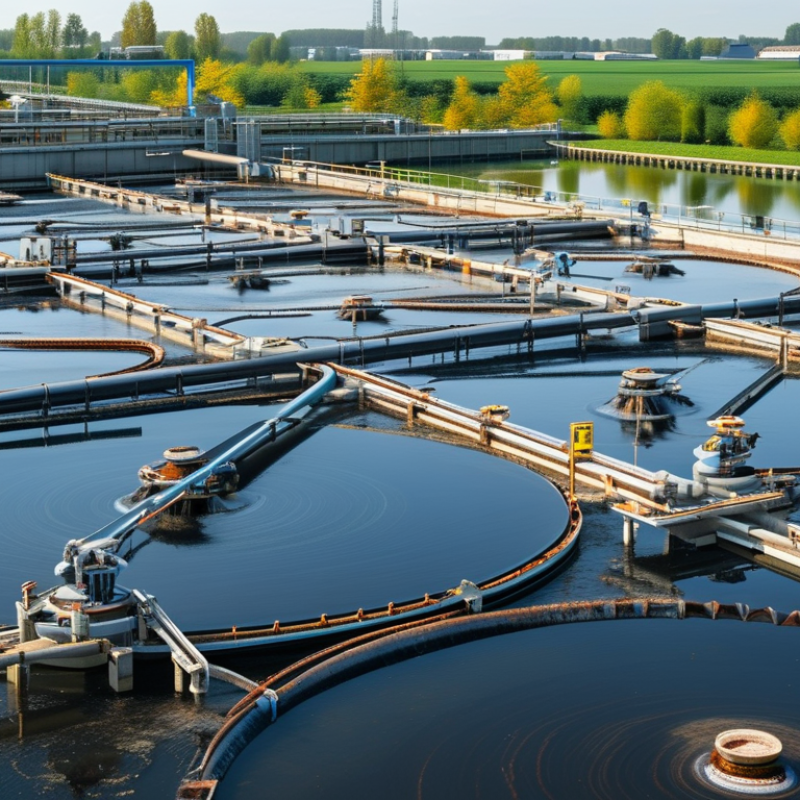
Sludge pumps play a vital role in wastewater management, efficiently transporting thick, viscous materials. These pumps handle the heavy-duty tasks involved in sewage treatment, often dealing with solids that can be abrasive and corrosive. According to a report by the Water Environment Federation, approximately 50% of operational costs in wastewater treatment are linked to pumping systems. This highlights the significance of selecting the right pump for operational efficiency.
When assessing sludge pumps, consider the pump design and materials. Many modern pumps incorporate high-chromium alloys to enhance durability. This choice significantly reduces wear and tear, prolonging the lifespan of the pump. Efficiency is also a crucial factor, as more efficient pumps can reduce energy consumption. A well-chosen pump may result in up to 30% savings on energy costs.
**Tips:** Regular maintenance is essential. Check for blockages periodically. Ensure seals and wear parts are replaced promptly. Monitor the pump's performance to avoid unexpected failures, which can lead to costly downtimes. Staying informed about newer technologies can further enhance your wastewater management strategies.
| Model | Flow Rate (m³/h) | Max Solid Size (mm) | Power (kW) | Weight (kg) | Material |
|---|---|---|---|---|---|
| Pump A | 40 | 50 | 5.5 | 150 | Stainless Steel |
| Pump B | 60 | 40 | 7.5 | 180 | Cast Iron |
| Pump C | 50 | 25 | 4 | 120 | Plastic |
| Pump D | 70 | 60 | 10 | 200 | Aluminum |
| Pump E | 80 | 30 | 8 | 170 | Rubber |
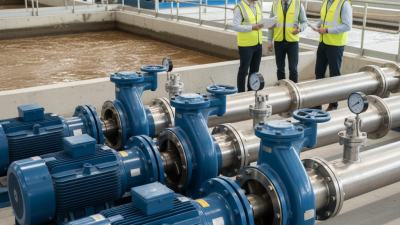
When selecting the ideal sludge pump for wastewater management, it is crucial to consider several key features. One important aspect is the pump's capacity to handle solid content. Look for a pump that can efficiently process sludges with varying viscosity. Pumps designed for high solid content provide better reliability in challenging environments.
Another feature to explore is the materials used in construction. Durable materials resist corrosion and wear, extending the pump's lifespan. Stainless steel and high-quality polymers are often good choices for harsh conditions. These materials ensure robust performance, even in extreme temperatures or chemical exposure.
Tip: Evaluate the pump's energy efficiency. A more efficient pump can significantly reduce operational costs. Check for the certifications of energy-saving technologies used.
Additionally, ensure the pump's design allows for easy maintenance. Accessibility for cleaning and repairs can save time and resources. Frequent maintenance also helps in maintaining optimal performance, which can often be overlooked.
Tip: Ask about the pump's warranty and support services. Reliable support can be a lifesaver during unexpected issues.
When selecting sludge pumps for wastewater management in 2026, several key factors come into play. Efficiency tops the list, ensuring that pumps can handle thick, viscous materials. The design of the impeller is crucial. Some pumps use vortex technology to minimize clogging. Others focus on self-cleaning features, which can be a game-changer.
Durability is another vital aspect. Pumps should withstand harsh environments and continuous operation. Corrosion-resistant materials can help here. Manufacturers are increasingly focusing on reducing maintenance frequency, which saves users time and money. However, a reliable maintenance schedule is still essential.
Furthermore, noise levels are often overlooked. Silent operation can enhance a facility's work environment. Energy efficiency should not be ignored either. Pumps with variable speed drives can adapt better to changing demand, reducing energy costs. Investing in these features may look expensive upfront. But over time, they often prove to be more economical. Continuous assessment of your pumping needs and technology advancements can guide better decisions.
Proper maintenance of sludge pumps is crucial for optimal performance in wastewater management. Regular inspections can help identify signs of wear and tear. Check for leaks and unusual noises. These could signal deeper issues. Keeping an eye on the seals and bearings is essential, as these components often wear out first.
Routine cleaning is another vital aspect. Remove any clogs that may affect pump efficiency. Clear debris from the intake area to avoid blockages. Over time, sediment build-up can slow down the pump's performance. Monitoring the pump's voltage and current can provide insights into its operating condition. Changes in electrical readings may indicate problems that need addressing.
Operator training is sometimes overlooked. Ensuring that staff understand the pump’s operation can prevent mistakes. Mistakes can lead to resource wastage and increased maintenance costs. Encourage operators to report any irregularities immediately. Ignoring small issues can result in larger, more expensive repairs down the line. Keeping thorough maintenance records can also help identify patterns that affect efficiency.
The future of sludge pump technology is rapidly evolving. Data from industry reports indicate that the global sludge pump market is expected to reach $3.2 billion by 2026. This growth reflects rising demands for efficient wastewater management solutions. New technologies are focusing on energy efficiency and operational reliability.
One emerging trend is the integration of smart technologies. IoT-enabled sludge pumps can monitor performance in real-time. Reports show that these systems can optimize maintenance schedules, potentially reducing downtime by over 20%. Moreover, predictive analytics can enhance operational efficiency. However, these innovative tools come with challenges. Not all facilities have the resources to implement such advanced solutions.
The shift towards sustainable practices is another vital trend. According to recent studies, over 45% of wastewater facilities are investing in eco-friendly solutions. However, not all initiatives yield positive results. Many facilities struggle with the initial costs of upgrading equipment. This highlights the need for careful planning and evaluation of new technologies in wastewater management. As the industry progresses, addressing these challenges will be crucial for effective implementation.
The following chart illustrates the projected efficiency and capacity of different sludge pumps in use for wastewater management by 2026. The data reflects advancements in technology, such as improved energy efficiency and handling capacity.
Universal Pumping
625 Apache Trail
Woodstock, GA 30189
Mon - Fri | 9:00 AM - 5:00 PM
Universal Pumping is staffed with industry professionals with 20-45 years experience with high pressure pumping systems. We represent only the “elite producers” in pump manufacturing: Britain’s EMS and Germany’s EMMERICH. Our engineering and manufacturing approach is conservative, and we do not use “guess work” in the design or sales of our pumping and filtration equipment.