What Are the Top Valve Cover Seals to Buy?
Choosing the right Valve Cover Seals can prevent oil leaks, burnt-oil smells, and expensive engine repairs. This guide examines the top options for different engines, driving conditions, and repair budgets. A reliable seal should match the valve cover design, cylinder-head surface, and manufacturer specifications. Material quality matters too. Silicone, rubber, and molded composite seals respond differently to heat, pressure, and repeated tightening.
Real-world inspection remains important. A seal may look perfect in its package but fail after months of engine heat cycles. I have seen small installation mistakes, such as reusing hardened bolts or applying excessive sealant, create fresh leaks within days. Careful cleaning helps. The mating surfaces should be dry, smooth, and free from old gasket fragments. Always check the service manual before selecting a replacement.
Not every premium-priced product is automatically better. Some affordable seals perform well when produced by a reputable manufacturer. However, unclear fitment information should raise concerns. The best choice balances accurate dimensions, heat resistance, compression recovery, and proven compatibility. It is also worth checking warranty terms and independent user feedback. Reviews can be useful, but they are not laboratory testing.
This comparison has limits. Engine age, cover condition, and installation quality can change the result. A damaged valve cover may defeat even the best seal. With those factors in mind, the following sections compare popular Valve Cover Seals and explain which products deserve serious consideration.
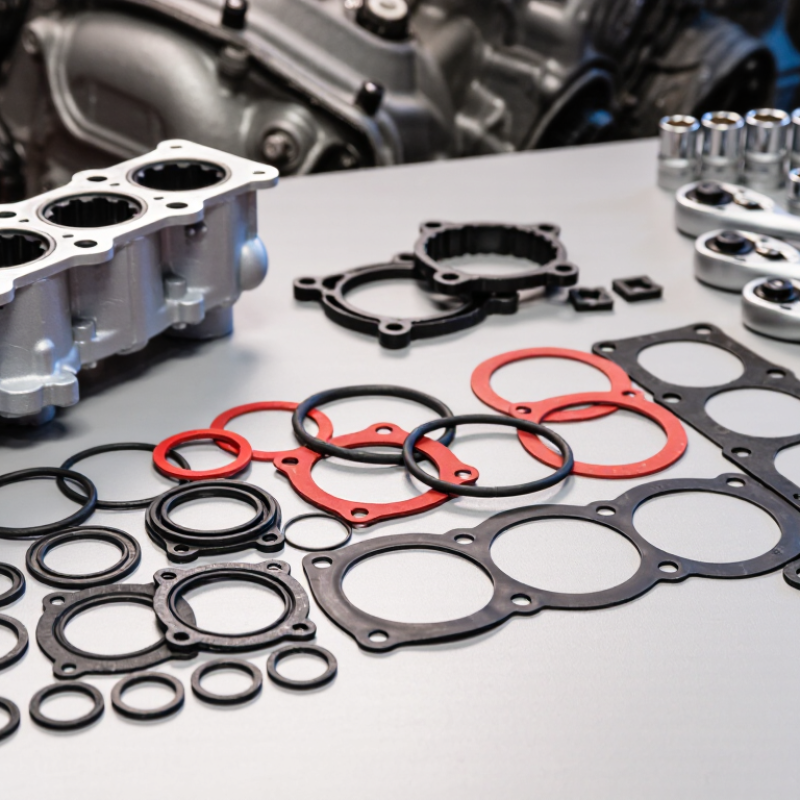
Valve Cover Seals: Purpose, Design, and Common Materials
What Are the Top Valve Cover Seals to Buy?
Valve cover seals prevent engine oil from escaping around the cylinder-head cover. They also block moisture, dust, and unmetered air from entering sensitive areas. A good seal must tolerate heat, oil exposure, vibration, and repeated bolt pressure. That sounds simple. It is not.
Most modern engines use molded rubber seals, often made from nitrile rubber, silicone, or fluoroelastomer. Nitrile handles petroleum oil well, while silicone remains flexible across wide temperature changes. Fluoroelastomer usually offers stronger resistance to heat and aggressive fluids. ASTM D2000 classifies elastomers by measurable resistance to heat, oil, and compression. This standard helps buyers compare materials instead of trusting appearance alone. A rigid cork-rubber seal may suit older covers, but it can crush unevenly when installation torque is inconsistent.
Design matters as much as material. One-piece molded seals with bolt-hole sleeves spread pressure more evenly and reduce leakage points. Metal carriers can improve shape retention on long covers. According to Grand View Research’s 2024 automotive gaskets analysis, the automotive gasket market is projected to grow at a mid-single-digit CAGR through 2030. That growth reflects continued demand for durable sealing materials, not a guarantee of quality. In workshop practice, incorrect tightening remains a common failure cause. I once assumed a thicker seal was better. It was not. Surface flatness, groove cleanliness, and torque sequence mattered more. Check the cover for warping, and replace hardened fastener grommets when necessary.
How to Compare Valve Cover Seal Types and Compatibility
What Are the Top Valve Cover Seals to Buy?
How to Compare Valve Cover Seal Types and Compatibility
The best valve cover seal is not always the most expensive one. It must match the engine, cover material, and operating temperature. Molded rubber seals usually fit modern covers precisely and resist repeated heat cycles. Cork-rubber seals can work well on older engines, but they may compress unevenly if the bolts are overtightened. Silicone seals offer flexibility, though flexibility alone does not guarantee a good seal.
Check the engine code before comparing prices. Then inspect the cover’s groove, bolt-hole layout, and sealing surface. A seal that looks similar may have a different thickness or corner shape. Those small differences can create oil leaks near the timing side. I also check whether the kit includes spark-plug tube seals, bolt grommets, or half-moon pieces. Missing parts can make a complete-looking repair incomplete.
Material matters.
Use the vehicle service information to confirm torque values and tightening order. Clean the cover and cylinder-head surfaces carefully, but avoid aggressive scraping that can scratch soft metal. In workshop repairs, I have seen leaks caused by warped covers rather than poor seals. I once trusted a visual match and missed a slight groove difference. That mistake changed my view: measurements and application data deserve more trust than appearance. Replacement quality still depends on correct installation, surface condition, and realistic maintenance expectations.
Top Valve Cover Seal Options for Different Engine Needs
What Are the Top Valve Cover Seals to Buy?
Top Valve Cover Seal Options for Different Engine Needs
A molded rubber valve cover seal suits most modern daily drivers. It compresses evenly and handles ordinary engine temperatures well. Choose one with precise bolt-hole alignment and a firm, flexible edge. A cork-rubber seal can work better on older engines with simple covers. It conforms gently to minor surface irregularities. However, it may shrink or harden sooner under repeated heat cycles.
High-temperature silicone seals suit engines exposed to sustained heat or demanding driving. They remain flexible longer when the cover and cylinder head are properly prepared. Some applications require separate half-moon seals or small sealant dabs at sharp corners. Follow the service manual closely. More sealant is not better. Excess material can break away and enter oil passages.
Tips: Clean both mating surfaces completely. Inspect the cover for bends around bolt holes. Tighten bolts in the specified sequence and use a torque wrench. I have seen leaks return because bolts were overtightened. That mistake feels harmless, but it can distort the cover. Check the crankcase ventilation system too. Excess pressure may push oil past a new seal. If the engine uses an unusual cover material, verify compatibility before installation. A careful fit usually matters more than choosing the most expensive option.
Installation Steps for a Reliable Valve Cover Seal
A reliable valve cover seal begins with careful preparation, not the seal alone. The Auto Care Association’s 2024 Factbook reports that the average U.S. vehicle is about 12.6 years old. Aging rubber can harden, shrink, or crack around bolt holes. Remove the cover only after the engine cools. Label hoses and ignition connections before disconnecting them. This small step prevents frustrating reassembly mistakes.
Clean both mating surfaces with a plastic scraper and a residue-free solvent. Avoid gouging the aluminum head. Check the cover for warping, especially near bolt openings. Fit the new seal evenly into its groove, then apply sealant only where the service manual specifies, usually at sharp corners or joint lines. Reinstall the cover by hand. Tighten bolts in a crisscross pattern, using the manufacturer’s torque figure. Industry repair guidance consistently warns against overtightening, because compressed rubber can leak sooner. I have seen “tight enough” become too tight. It is an easy mistake.
Tips: Replace damaged bolt grommets. Keep oil away from dry sealing surfaces. Start the engine and inspect for fresh oil after the sealant’s required curing time. A 2023 professional vehicle-service training report from the National Institute for Automotive Service Excellence emphasizes following manufacturer procedures and torque specifications. Do not guess. Recheck the area after a short drive, when the engine is warm but safely accessible.
Maintenance Tips and Warning Signs of Seal Failure
What Are the Top Valve Cover Seals to Buy?
A reliable valve cover seal should match the engine’s original dimensions and material requirements. Molded rubber seals suit many modern engines, while fluoroelastomer compounds offer stronger resistance to heat and oil. Avoid universal strips that require excessive trimming. They often create uneven compression. A complete kit with bolt grommets is usually safer than buying only the main gasket. S&P Global Mobility reported an average U.S. vehicle age of 12.6 years in 2024, so aging seals deserve closer inspection during routine servicing.
Watch for fresh oil around the valve cover edge, spark-plug wells, or ignition coils. A burnt-oil smell after driving can indicate oil reaching hot exhaust parts. Rough idling, repeated misfires, or a warning light may follow. The seal is not always the culprit. A warped cover, blocked breather, or loose fastener can produce similar symptoms. Check the manufacturer’s torque sequence, clean both mating surfaces, and tighten gradually with a calibrated torque wrench. Do not smear excess sealant around the entire gasket. Use it only where the service procedure specifies. I once treated a small seep as harmless; it later contaminated an ignition component. That mistake was avoidable. AAA has estimated that 64 million U.S. drivers face unexpected vehicle repairs annually, making early inspection financially sensible.
What Are the Top Valve Cover Seals to Buy?
Material choice affects heat resistance and service life. Molded silicone and fluorosilicone seals generally tolerate higher continuous temperatures than cork-rubber and nitrile-rubber designs, but the correct profile and fit for the engine remain essential.
Maintenance Tips and Warning Signs of Seal Failure
- Inspect for fresh oil around the valve cover, spark-plug wells, and cylinder-head joint.
- Replace the seal if it becomes hard, cracked, swollen, or permanently flattened.
- Use the vehicle manufacturer’s tightening sequence and torque specification.
- Do not reuse a damaged gasket or apply excess sealant that could enter the engine.