How to Use a Food Pump for Perfect Meal Prep?

Meal preparation can be a time-consuming task. However, with the right tools, it becomes easier and more efficient. One such tool is the food pump. It allows you to portion and pack meals with precision. Using a food pump can help you control servings and reduce waste.

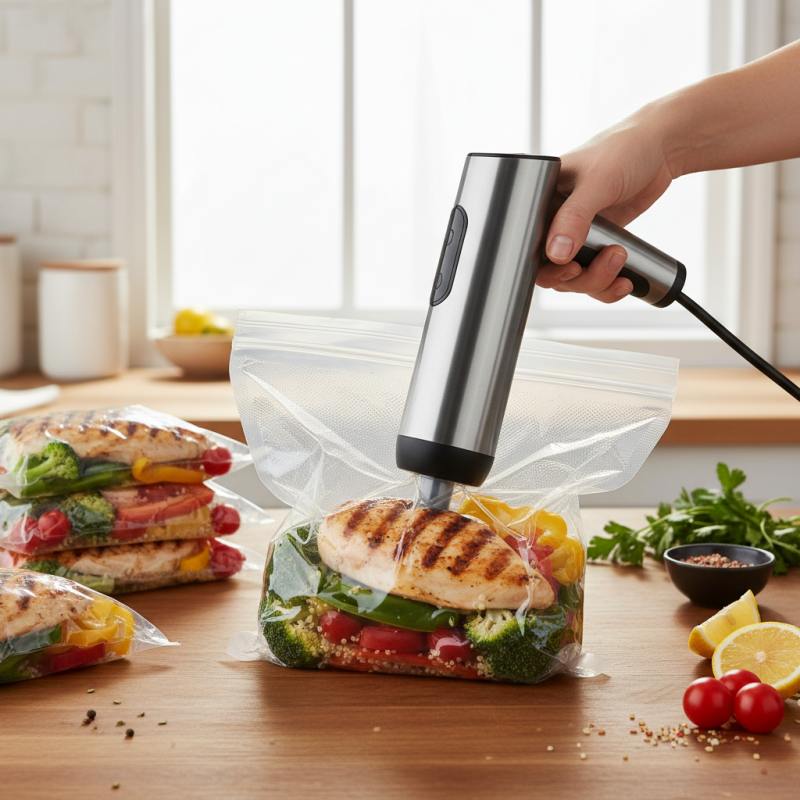
Imagine sealing fresh ingredients in vacuum bags. This process locks in flavors and keeps food fresh longer. You can streamline your weekly meal prep routine. Have you ever struggled with food storage? Using a food pump might eliminate that hassle. Yet, it is important to practice and learn the best techniques. Not everyone gets it right on the first try.

Sometimes, meals might come out too tightly packed. Other times, they may need more seasoning. That’s part of the learning curve. Embracing mistakes can lead to better meals in the future. With a food pump, you can discover new ways to enjoy healthy food while minimizing effort in the kitchen.
How to Use a Food Pump for Perfect Meal Prep?

Understanding the Basics of Food Pumps for Meal Prep

How to Use a Food Pump for Perfect Meal Prep?

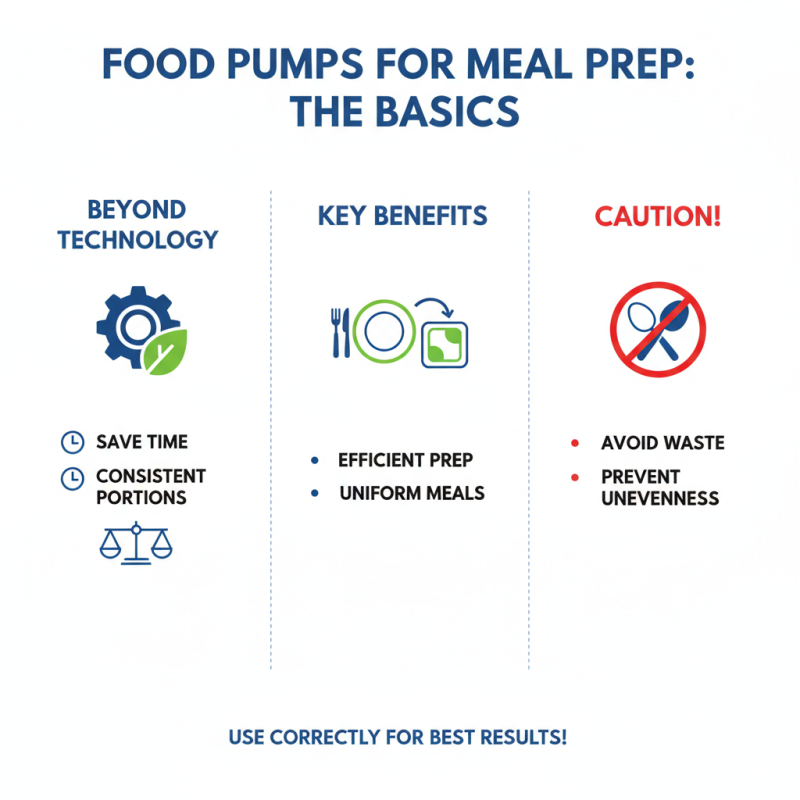
Understanding the basics of food pumps for meal prep requires going beyond the technology. Food pumps can help save time. They assist in achieving consistent portions. But using them incorrectly can lead to waste or uneven meals.

For instance, a recent report indicates that improperly stored food can lose up to 30% of its nutrients. This is especially true when vacuum sealing is not applied correctly. It’s essential to grasp how a food pump works. It removes air to extend shelf life. Yet, if food isn't sealed properly, bacteria can thrive.

Think about the setups. Pumps should be clean and well-maintained. A dirty pump can contaminate food. This can lead to foodborne illness, which affects millions each year. A lack of regular cleaning poses significant risks. Mistakes here are common and reflect a lack of understanding. Recognizing these pitfalls can make your meal prep more effective. Embrace the technology, but respect it with knowledge and care.

Choosing the Right Food Pump for Your Needs

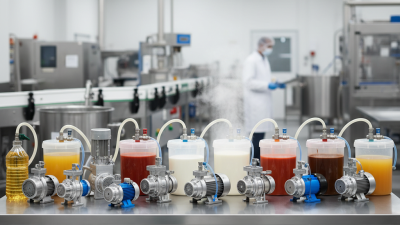
Choosing the right food pump can make meal prep much easier. There are various types available, each with unique features. Some are designed for liquids, while others work better for solids. Determine what you plan to pump most often. This step is vital for effective meal prep.

Consider the capacity of the food pump. A larger pump may seem appealing, but it can be cumbersome. A smaller option might require more frequent refilling. Think about your kitchen space. You want a pump that fits well into your routine without taking up too much room.

Look for ease of cleaning, too. Some pumps have complex parts that are hard to maintain. That can lead to food residue buildup, which is unsanitary. Check for materials that are dishwasher-safe. Investing time in upkeep matters. Inadequate care can turn a useful tool into a hassle.

How to Use a Food Pump for Perfect Meal Prep? - Choosing the Right Food Pump for Your Needs

Food Pump Type Capacity (Liters) Material Features Price Range (USD)
Handheld Vacuum Pump 1.5 Plastic Portable, Lightweight 15 - 30
Electric Food Pump 3.0 Stainless Steel Automated, LED Indicator 50 - 100
Manual Food Pump 2.0 Glass Durable, Eco-Friendly 20 - 40
Commercial Food Pump 10.0 Heavy-Duty Metal High Capacity, Fast Operation 200 - 500
Silicone Food Pump 0.5 Silicone Flexible, Easy to Clean 10 - 25

Step-by-Step Guide to Using a Food Pump Effectively

Using a food pump can simplify your meal prep. The process involves removing air from containers to maintain freshness. This step is crucial; according to a study by the USDA, vacuum-sealed foods can last 3-5 times longer than those exposed to air. Proper use of a food pump ensures you maximize this benefit.

Start by selecting appropriate containers. Use sturdy, airtight options. Load in your prepped meals, ensuring no extra air remains. Attach the food pump nozzle to the container and activate. Watch for any air pockets. Occasionally, you might find small leaks, which can compromise freshness. Adjust the sealing process accordingly.

Food safety is vital. A study revealed that 30% of meal preppers report issues with spoiled food. Regularly inspect seals on containers. If meals spoil, revisit your sealing techniques and take notes on any adjustments needed. This trial-and-error approach can enhance your meal prep skills over time.

Food Pump Usage for Meal Prep Efficiency

This bar chart illustrates the effectiveness of using a food pump in meal preparation across various meal types, measured by the time saved in hours per week.

Tips for Storing Prepared Meals with a Food Pump

Storing prepared meals properly is essential for meal prep success. A food pump can help extend the freshness of your meals significantly. According to the USDA, vacuum-sealed foods can last up to 5 times longer than traditional storage methods. However, the application of this technology requires some knowledge.

Using a food pump can make meal prep efficient. After cooking, pour your dishes into sealable bags. Ensure that you don't overfill them. Leave some space for the sealing process. This allows for better vacuum sealing. Studies show that food stored in vacuum conditions retains more nutrients. It can also minimize freezer burn, which affects taste and texture.

Despite the benefits, some challenges arise. Not all foods seal well. Foods with liquids can create messes. This may lead to ineffective sealing. It's essential to experiment with your food pump settings. Understand which items work best. Take time to refine your technique. Remember, even small mistakes can affect meal quality. Adjust your method as you learn. With trial and error, optimal food storage is achievable.

Common Mistakes to Avoid When Using a Food Pump

How to Use a Food Pump for Perfect Meal Prep?

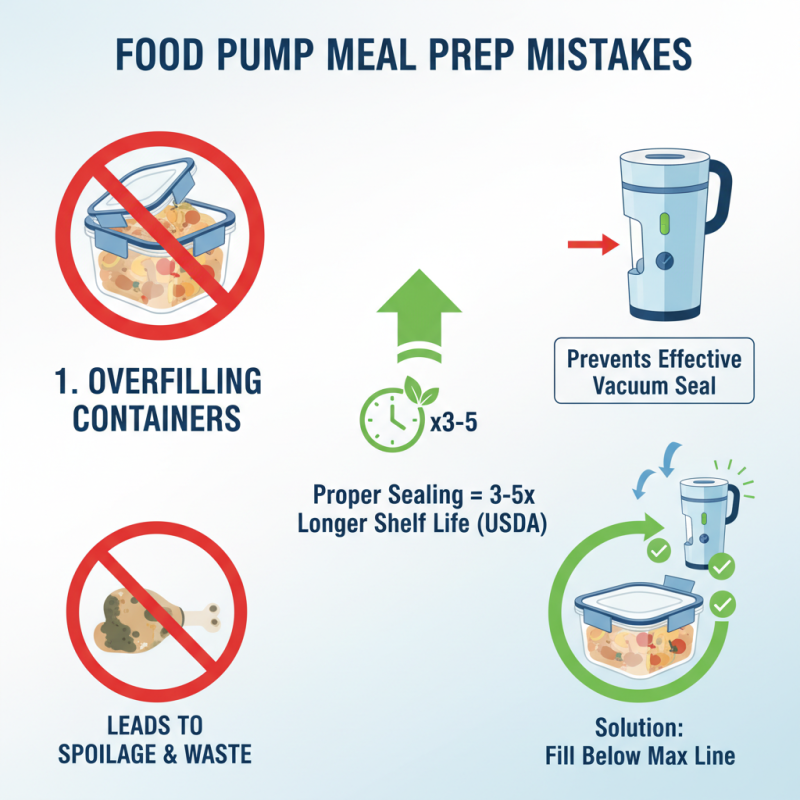
When using a food pump for meal prep, many make recurring mistakes. One common issue is overfilling the containers. The USDA states that proper vacuum sealing can extend the shelf life of food by 3-5 times. However, overstuffing prevents the pump from creating an effective seal. This leads to spoilage and waste.

Another frequent error is neglecting to clean the pump properly. Residual food particles can harbor bacteria. According to the CDC, more than 48 million people get sick annually from foodborne illnesses. Regular cleaning ensures your food remains safe. Also, always test the pump's effectiveness on dry and moist foods to find the right balance.

Overlooking the importance of using suitable materials can also be detrimental. Not all bags are compatible with food pumps. Some materials may not withstand vacuum sealing. This could result in leaks or broken seals. Remember, a perfect meal prep requires attention to detail. Learn from past mishaps and refine your process.

Company Info

Universal Pumping

625 Apache Trail
Woodstock, GA 30189

Mon - Fri | 9:00 AM - 5:00 PM

Connect With Us

About Universal Pumping

Universal Pumping is staffed with industry professionals with 20-45 years experience with high pressure pumping systems. We represent only the “elite producers” in pump manufacturing: Britain’s EMS and Germany’s EMMERICH. Our engineering and manufacturing approach is conservative, and we do not use “guess work” in the design or sales of our pumping and filtration equipment.