Why Choose a Slurry Pump for Your Industrial Applications?

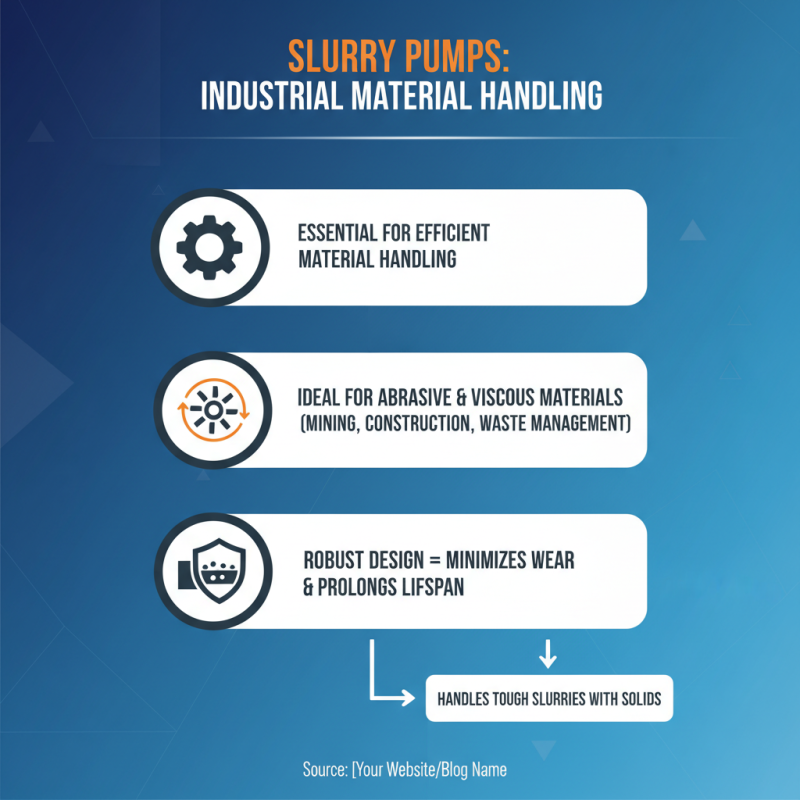
When considering industrial applications, choosing the right equipment is crucial. Slurry pumps are designed to handle tough materials efficiently. These pumps move mixtures of solids and liquids effectively, making them essential in various industries.

Slurry pumps are known for their durability and reliability. They can manage abrasive materials often found in mining and chemical processes. Unlike standard pumps, slurry pumps are built to withstand challenging conditions. This capacity reduces the risk of downtime and enhances productivity.

However, selecting a slurry pump requires careful thought. Not every pump suits every application. It's important to analyze specific needs and challenges. The wrong choice may lead to inefficiencies and higher costs. Thus, understanding the unique advantages of slurry pumps is vital for optimal performance.
Why Choose a Slurry Pump for Your Industrial Applications?

Understanding the Basics of Slurry Pumps in Industrial Settings

Why Choose a Slurry Pump for Your Industrial Applications?

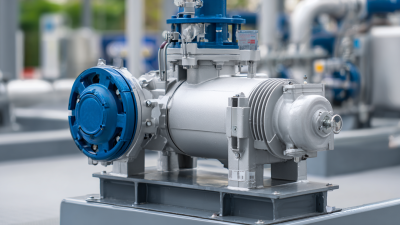
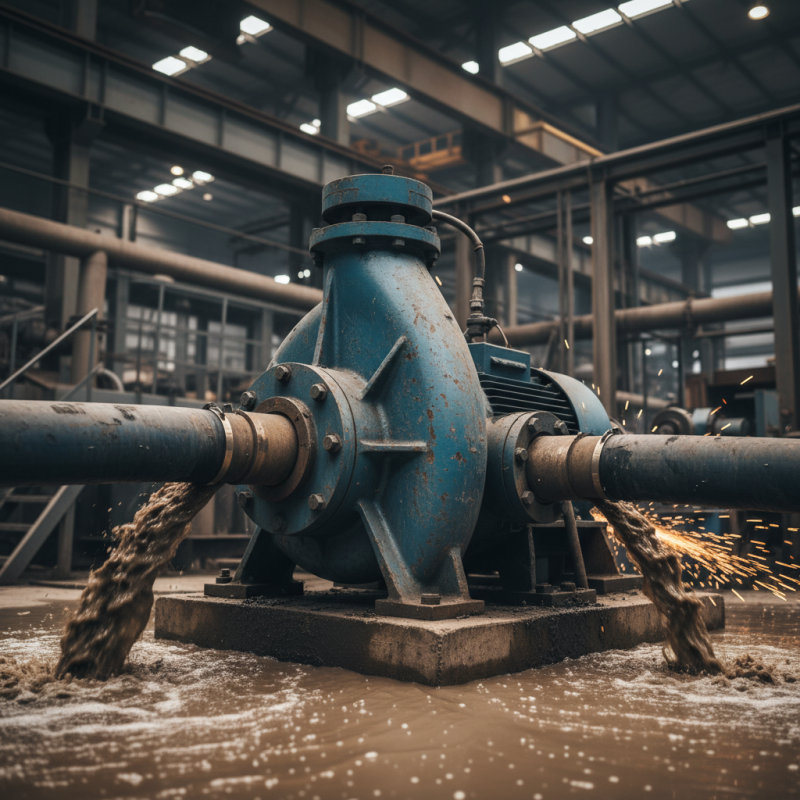
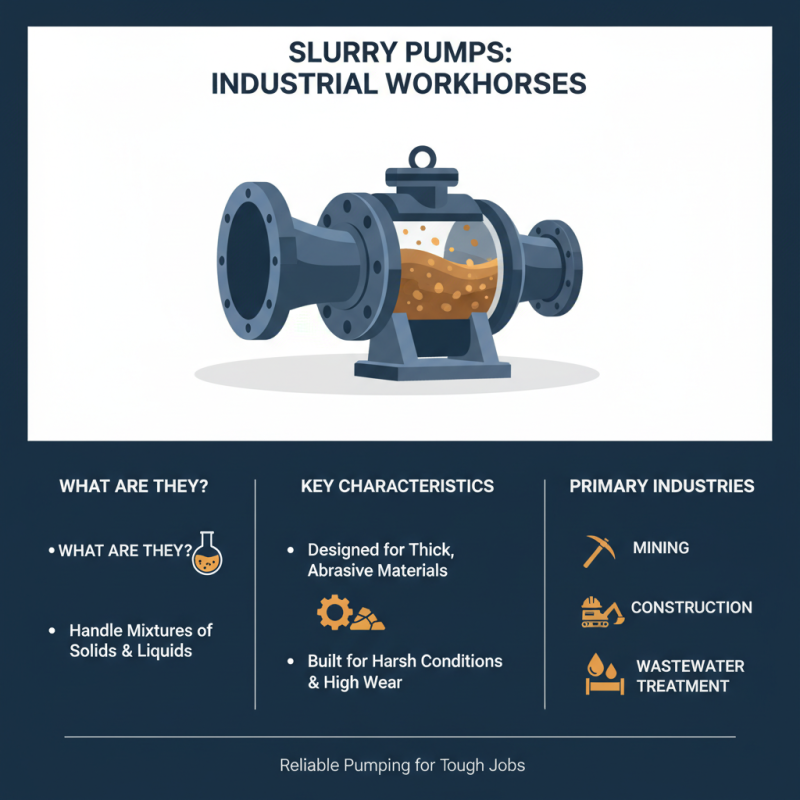
When considering industrial applications, slurry pumps play a crucial role. These pumps are specifically designed to handle mixtures of solids and liquids. They manage thick, abrasive materials that standard pumps cannot process efficiently. Slurry pumps are essential in industries like mining, construction, and wastewater treatment. They are built to withstand harsh conditions and high wear rates.

Understanding the basics of slurry pumps is important. They come in different designs, such as centrifugal and peristaltic pumps. Each has its specific applications and advantages. For instance, centrifugal pumps are commonly used for their efficiency in transporting slurry over long distances. However, they may struggle with very thick slurries. On the other hand, peristaltic pumps can handle high-viscosity mixtures but may require more maintenance.

In many cases, the choice of a slurry pump impacts productivity significantly. Selecting the right pump requires a careful assessment of your specific needs. Often, companies overlook factors like the slurry's density and particle size. Ensuring compatibility with the materials being moved is essential to avoid costly downtime. Overall, a thoughtful approach will lead to better performance in industrial settings.
Key Advantages of Using Slurry Pumps for Material Handling

Why Choose a Slurry Pump for Your Industrial Applications?

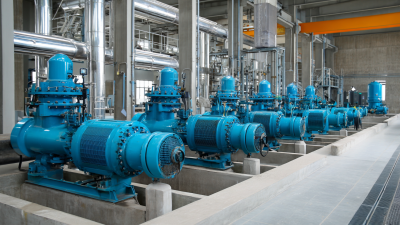
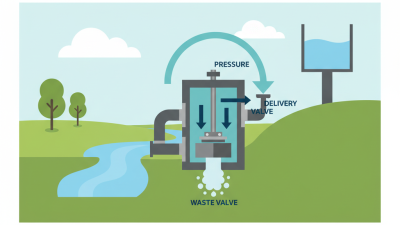
Slurry pumps are essential for efficient material handling in various industrial applications. They excel in moving abrasive, viscous materials, making them ideal for mining, construction, and waste management. Their robust design allows them to handle tough slurries filled with solids. This capability minimizes wear and prolongs the life of the pump.

When choosing a slurry pump, consider the type of material you will be transporting. Different slurries require different pump designs. For example, a pump suited for sand will not perform well with thicker sludge. Be cautious about overloading the pump as it can lead to frequent repairs. Regular maintenance is crucial for optimal performance. Pay attention to wear parts and replace them as needed.

Tip: Always test the pump’s performance with small batches before large-scale operations. Monitor the pressure and flow rates regularly to avoid unforeseen issues. This proactive approach can save time and resources. Additionally, keep an eye on the operating environment. High temperatures or corrosive materials can impact the pump's efficiency. Adjustments may be necessary to maintain productivity.

Operational Efficiency: How Slurry Pumps Improve Process Reliability

Slurry pumps are essential in various industrial processes. They handle materials that are thick and abrasive. This capability greatly enhances operational efficiency. These pumps reduce downtime by ensuring a steady flow of materials through the system.

They also offer significant reliability. A well-functioning slurry pump minimizes leaks and reduces the risk of spills. This not only helps in maintaining a clean workspace but also lowers maintenance costs. However, it’s crucial to choose the right pump for specific materials.

In some cases, these pumps can unexpectedly fail. Over time, wear and tear can occur, affecting reliability. Regular maintenance is necessary to avoid unexpected breakdowns. Industry professionals sometimes overlook this, risking operational efficiency. Therefore, investing in quality parts is vital for sustaining long-term performance.

Applications of Slurry Pumps Across Various Industries

Slurry pumps play a crucial role across various industries. They efficiently transport mixtures of solids and liquids. Mining is a primary field using these pumps. They handle abrasive materials like coal and ore with ease. In wastewater treatment, slurry pumps transport sludge. This helps maintain clean water systems. Construction also benefits. Slurry pumps manage cement and soil mixtures effectively.

Here are some tips when using slurry pumps. Always consider the pump's material. The wrong choice can lead to wear and tear. Regular maintenance is essential. Check seals and bearings frequently to prevent breakdowns. Understanding the specific slurry composition is vital. Too many solids can cause clogs.

Another reflection is on pump size. An oversized pump can waste resources. It might also lead to inefficient transport. An undersized pump might struggle and fail. Striking the right balance is important for optimal performance. Remember to inquire about the flow rates and pressure requirements relevant to your needs.

Selecting the Right Slurry Pump for Your specific Needs

When selecting a slurry pump, it's crucial to know your specific needs. Different applications require different designs. Consider the type of materials you'll be handling. Are they abrasive or corrosive? The pump's material should match the slurry composition. This ensures longevity and efficiency.

Another factor is the pump's capacity. How much slurry will you move? Too small a pump will create bottlenecks. Too large may lead to energy waste. You must consider the pump's power and flow rates. The right specifications can significantly affect your operation's effectiveness.

Think about maintenance. Some pumps require frequent upkeep. Others are more forgiving. Opt for a model that balances performance and ease of maintenance. Reflect on your team's technical expertise. It may dictate your choice. By examining these details, you can make a more informed decision.

Company Info

Universal Pumping

625 Apache Trail
Woodstock, GA 30189

Mon - Fri | 9:00 AM - 5:00 PM

Connect With Us

About Universal Pumping

Universal Pumping is staffed with industry professionals with 20-45 years experience with high pressure pumping systems. We represent only the “elite producers” in pump manufacturing: Britain’s EMS and Germany’s EMMERICH. Our engineering and manufacturing approach is conservative, and we do not use “guess work” in the design or sales of our pumping and filtration equipment.