
Why Choose a PIR Sensor Switch for Global Buyers?

Global buyers are looking for lighting controls that balance energy efficiency, installation simplicity, and dependable performance. A Pir Sensor Switch addresses these needs by detecting changes in infrared radiation from moving people. It can switch lights on in a hallway, storage room, office, or entrance without requiring constant manual control.

“Good sensing begins with understanding the space, not just the sensor,” says Dr. Peter R. Boyce, a respected lighting researcher and author in human-centered lighting design. His observation reflects a practical truth. A Pir Sensor Switch performs best when installers consider room size, mounting height, walking direction, temperature, and expected activity. A sensor placed behind a cabinet may miss movement. A unit facing a sunny window may react inconsistently.

The value is visible in daily use. Lights can remain off in an empty washroom. They can activate when a worker carries boxes through a warehouse aisle. Many models also include adjustable delay times, sensitivity settings, and ambient-light thresholds. These details matter to importers, contractors, and facility managers across different markets.

However, no product fits every building. PIR technology may struggle with very slow movement, blocked views, or extreme temperature changes. That limitation deserves honest attention. Buyers should review detection range, voltage compatibility, switching capacity, certifications, warranty terms, and supplier testing records before ordering.

A lower purchase price is not always a lower total cost. Reliable sensing, clear documentation, and responsive technical support can reduce returns and installation delays. For global buyers, the strongest choice is not simply the cheapest Pir Sensor Switch. It is the model that performs predictably in its intended environment.
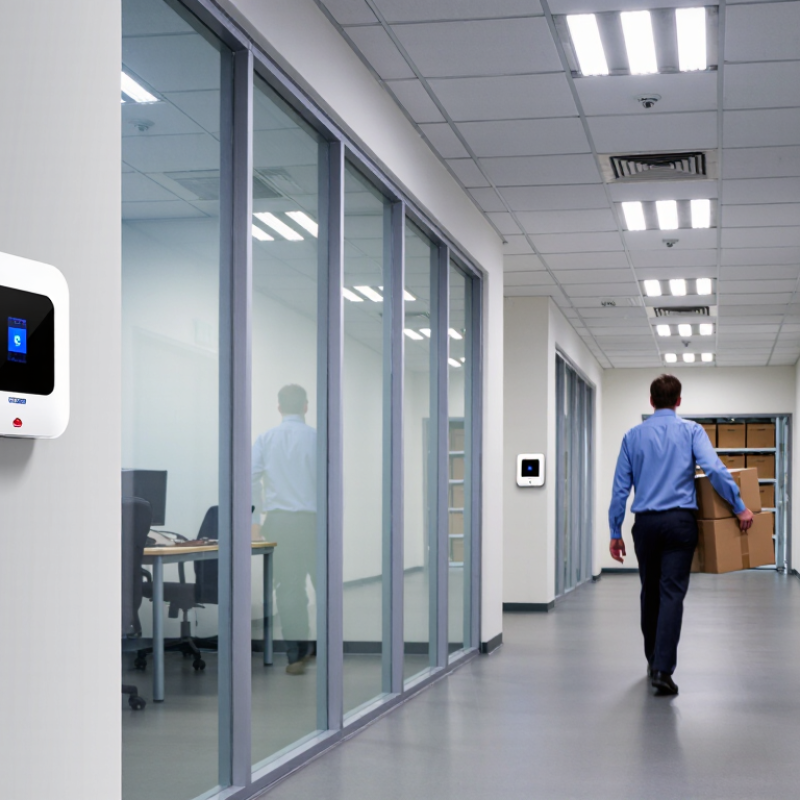
Why Choose a PIR Sensor Switch for Global Buyers?

What Is a PIR Sensor Switch and How Does It Work?

Why Choose a PIR Sensor Switch for Global Buyers?

What Is a PIR Sensor Switch and How Does It Work?

A PIR sensor switch detects changes in infrared energy from warm bodies, such as people moving through a room. PIR means passive infrared, because the sensor does not transmit signals. It only receives heat radiation. A small Fresnel lens focuses infrared changes onto a pyroelectric element. When movement crosses its detection zones, the electrical signal changes. An internal circuit then activates a relay or electronic switch, turning lights or equipment on.

The sensor usually includes time delay, sensitivity, and ambient-light controls. A timer may keep a hallway light on for thirty seconds or several minutes. A light sensor can prevent activation during bright daytime conditions. However, PIR detection is not perfect. A person standing still may become unnoticed, while warm airflow or direct sunlight can cause unwanted switching. Installation height, detection angle, room temperature, and lens position all affect performance. Testing the actual site remains important.

Tips: Check the local voltage, switching load, mounting method, and environmental rating before purchase. For humid areas, choose suitable protection. Avoid placing the sensor near heaters, vents, or strong sunlight. Buyers should also review applicable safety certifications and installation requirements in the target market. Small details matter.

Why PIR Sensor Switches Matter to Global Buyers

Global buyers increasingly treat PIR sensor switches as energy-management components, not simple wall accessories. A PIR device detects infrared changes from moving bodies and switches lighting when a space is occupied. This matters in corridors, washrooms, stairwells, warehouses, and hotel service areas. The International Energy Agency reports that buildings consume about 30% of global final energy. Lighting controls cannot solve that burden alone. They can reduce many hours of empty-room lighting.

The 2023 UNEP Global Status Report for Buildings and Construction links buildings with roughly 26% of global energy-related emissions. A U.S. Department of Energy guide estimates occupancy controls can reduce lighting energy use by 10% to 90%, depending on room type and user behavior. The range is wide. Global purchasers should therefore assess payback using real occupancy patterns, not attractive laboratory figures. Installation cost, wiring access, maintenance time, and local electricity prices also influence the result.

Practical details matter. Buyers should check detection range, mounting height, switching capacity, adjustable delay time, and performance across regional voltage conditions. PIR sensing may miss a seated worker. Strong heat sources can also create false triggers. That weakness deserves attention. Field installers often find that one sensitivity setting cannot suit every building. Clear test procedures, electrical safety documentation, and electromagnetic compatibility evidence improve purchasing reliability. A carefully selected switch should respond quietly at a stairwell entrance, then turn lights off after the last person leaves.

Key Benefits for Energy Efficiency, Safety, and Convenience

PIR sensors detect changes in infrared energy from moving people or animals. They can switch lights on only when an area is occupied. This simple action reduces unnecessary energy use in corridors, stairwells, storage rooms, and washrooms. In practical installations, lights may remain off for hours when nobody needs them. That saving becomes meaningful across offices, hotels, and residential buildings.

Safety also improves when lighting responds quickly to movement. A dark stairway can become visible within seconds. This helps reduce trips, especially for older users or people carrying boxes. PIR control can also limit contact with switches in shared spaces. However, no sensor is perfect. Poor placement may create blind spots, while sunlight, heaters, or moving curtains can cause false activation.

Convenience is another strong reason for global buyers to consider PIR technology. Users do not need to search for a switch with full hands or in low light. For international projects, buyers should verify voltage range, load type, detection distance, mounting height, and adjustable delay settings. Climate matters too. Outdoor applications may require suitable protection against moisture and dust. Installation instructions should be clear, and local electrical requirements must be checked by qualified personnel. A lower purchase price is not always a lower total cost. Testing one room first can reveal problems before wider installation.

Why Choose a PIR Sensor Switch for Global Buyers? - Key Benefits for Energy Efficiency, Safety, and Convenience

Evaluation Dimension Typical PIR Sensor Switch Data Practical Benefit Buyer Consideration
Detection Technology Passive infrared detection identifies changes in heat radiation caused by moving people or animals. Provides automatic, hands-free lighting control without transmitting radio signals. Performance depends on movement, sensor placement, temperature, and the surrounding environment.
Typical Detection Range Approximately 5–12 m for many indoor wall- or ceiling-mounted products. Covers common areas such as corridors, entrances, stairways, storage rooms, and washrooms. Verify the rated range at the intended mounting height and installation angle.
Detection Coverage Common viewing angles are about 100°–120° for wall-mounted units; ceiling models may provide wider coverage. Reduces blind spots when the sensor is positioned correctly. Select wall or ceiling mounting according to the room layout and traffic direction.
Adjustable Time Delay Common adjustment range: approximately 10 seconds to 30 minutes. Keeps lights on during short periods of movement and switches them off after the area is vacant. Use a shorter delay in low-traffic areas and a longer delay where occupants remain still.
Ambient-Light Control Many models include an adjustable light-level threshold, often expressed in lux. Prevents unnecessary switching when sufficient daylight is available. The correct lux setting varies with window size, room use, and required illumination.
Standby Power Low-power electronic designs commonly specify standby consumption below 0.5 W; always confirm the product datasheet. Maintains automatic detection with limited background energy use. Compare both standby power and switched-load efficiency before purchase.
Potential Lighting-Energy Reduction Savings are site-dependent; intermittent-use spaces can often achieve meaningful reductions by avoiding lights being left on. Reduces operating hours in unoccupied areas and supports energy-management targets. Actual savings depend on occupancy, existing user behavior, lamp wattage, delay setting, and daylight availability.
Illustrative Energy Example A 20 W LED used 10 hours per day consumes 73 kWh per year; at 3 hours per day, it consumes 21.9 kWh per year. Reducing operating time from 10 to 3 hours per day saves about 51.1 kWh per year per light, before standby consumption. Calculation assumes 365 operating days and should be adjusted for the actual installation.
Safety and Security Automatic illumination can activate when movement is detected in entrances, corridors, stairways, and external access areas. Improves visibility and helps reduce the risk of trips, slips, and collisions caused by dark areas. Lighting control does not replace emergency lighting, security systems, or required safety procedures.
Convenience and Accessibility Hands-free operation is suitable for users carrying items or entering with limited visibility. Reduces the need to locate and touch a wall switch. Avoid installation where frequent movement is not expected or where manual override is essential.
Load Compatibility Compatibility varies by model and may include LED, incandescent, fluorescent, or low-voltage loads. Allows integration with different lighting systems when the electrical rating is suitable. Check rated voltage, maximum LED load, minimum load, inrush current, and neutral-wire requirements.
Environmental Protection Indoor products may have basic enclosures; outdoor products commonly require a suitable IP-rated enclosure. Supports reliable operation in environments exposed to dust or moisture when correctly specified. Choose the IP rating, operating temperature range, and UV resistance according to the installation site.
Global Installation Readiness Available configurations may support different supply voltages, frequencies, wall boxes, and wiring methods. Makes the technology adaptable to residential, commercial, and light-industrial applications across markets. Confirm local electrical standards, certification requirements, wiring practice, and installation regulations.

Note: Specification ranges are typical industry values rather than universal limits. Final performance depends on the selected model, installation conditions, connected load, occupancy pattern, and local electrical requirements.

How to Evaluate Performance, Compatibility, and Product Quality

For global buyers, a PIR sensor switch should be judged beyond its detection range. The International Energy Agency reports that buildings consume about 30% of global final energy. This makes reliable occupancy control commercially important. Evaluate detection distance, sensing angle, response time, and false-trigger resistance. A 6–10 meter range may suit a corridor, but not every room. Furniture, glass partitions, heat sources, and airflow can change real performance. PIR sensors also miss people who remain still. That limitation is easy to overlook.

Compatibility requires careful technical checking. Confirm the voltage, frequency, load type, minimum load, and wiring method before ordering. Some LED lamps create high inrush currents, even when their rated wattage seems low. Check whether the switch uses a relay or electronic output. Review electromagnetic compatibility test evidence, including relevant IEC 61000 test methods. The IEC 60669-2-1 framework is also useful when assessing electronic switching devices. Product quality depends on more than a polished housing. Request detection-range test records, temperature data, switching-cycle results, and clear installation instructions. Independent laboratory reports provide stronger evidence than supplier claims alone.

Tips: Test a sample in the actual room. Walk slowly across the detection zone, then sit still for ten minutes. Check false triggers near windows, fans, and heaters. Compare standby power, timer accuracy, and LED compatibility. A lower-cost unit may pass a short demonstration but fail after repeated switching. I have found that “wide coverage” often hides poor edge detection. That deserves a second test.

What Global Buyers Should Consider Before Purchasing

Why Choose a PIR Sensor Switch for Global Buyers?

Before purchasing, global buyers should match the PIR switch to the installation environment. The International Energy Agency reports that buildings use about 30% of global final energy. Lighting controls can reduce unnecessary consumption, but savings depend heavily on occupancy patterns. U.S. Department of Energy guidance indicates occupancy sensors may reduce lighting energy use by 10% to 90%, depending on the application.

Check voltage, frequency, switching capacity, detection range, and installation depth. A 230-volt model may not suit a 120-volt project. Confirm whether the switch supports LED drivers, because inrush current can exceed the printed wattage. Look for compliance evidence against relevant IEC requirements, plus testing documents for the destination market. A certificate alone is not enough.

PIR technology detects movement through heat changes. It may miss a person sitting quietly at a desk. That matters in offices, classrooms, and hotel rooms. Adjustable time delays, sensitivity, and ambient-light thresholds help reduce false activation. Outdoor buyers should also check IP protection, operating temperature, and resistance to humidity. Dust, sunlight, and warm air can trigger unwanted switching. Real projects are less tidy than catalog tests. I would request sample units and test them with the actual lamps, wall boxes, and room layout before ordering in volume. The extra week may prevent expensive returns.

Why Choose a PIR Sensor Switch? Detection Range by Installation Type

Representative detection-distance ranges commonly specified for general-purpose PIR sensor switches.

PIR sensor switches are widely used because they detect changes in infrared radiation from moving people without transmitting radio signals. Wall-mounted models commonly cover about 8–12 meters, while ceiling-mounted and high-bay designs may use shorter or longer detection zones depending on lens design and mounting height. Before purchasing, global buyers should verify supply voltage, detection angle, time-delay adjustment, ambient-light settings, IP protection, operating temperature, and the required safety certifications for the destination market.

The ranges shown are typical market reference values rather than a specification for a particular product. Always confirm the manufacturer’s datasheet for the intended installation.

Company Info

Universal Pumping

625 Apache Trail
Woodstock, GA 30189

Mon - Fri | 9:00 AM - 5:00 PM

Connect With Us

About Universal Pumping

Universal Pumping is staffed with industry professionals with 20-45 years experience with high pressure pumping systems. We represent only the “elite producers” in pump manufacturing: Britain’s EMS and Germany’s EMMERICH. Our engineering and manufacturing approach is conservative, and we do not use “guess work” in the design or sales of our pumping and filtration equipment.