Universal Pumping | High Pressure Pumps
High Pressure Pumps for Difficult to Pump Slurry, Sludge, and Food Waste.
Why Choose a Vertical Pump for Global Applications?
Across factories, water facilities, and coastal terminals, pump selection affects energy, maintenance, and reliability. A vertical pump places its motor above the liquid, while its bowl assembly operates below the surface. This arrangement can reduce suction-lift problems and support compact installations. It also suits deep wells, cooling-water systems, irrigation networks, and process applications with limited floor space.
The U.S. Department of Energy reports that pumping systems may consume 25% to 50% of industrial electricity in some facilities. The International Energy Agency also identifies motor-driven systems as major global electricity users. These figures make hydraulic efficiency important, not cosmetic. A correctly selected vertical pump can reduce throttling losses, simplify wet-well layouts, and maintain flow where horizontal equipment may require more space. However, installation depth, alignment, corrosion, vibration, and access must be checked carefully. No configuration wins everywhere.
Dr. Igor J. Karassik, a respected pump engineer and author, wrote, “A pump is a machine that imparts energy to a fluid.” That principle remains practical today. Energy must reach the fluid efficiently, not disappear through poor design. Field experience shows that small errors matter: a misaligned shaft, an undersized column, or an overlooked seasonal water level can create expensive downtime. Perhaps the vertical pump is not always the obvious answer. That deserves reflection. Global applications demand local engineering, verified standards, and operating data before procurement.
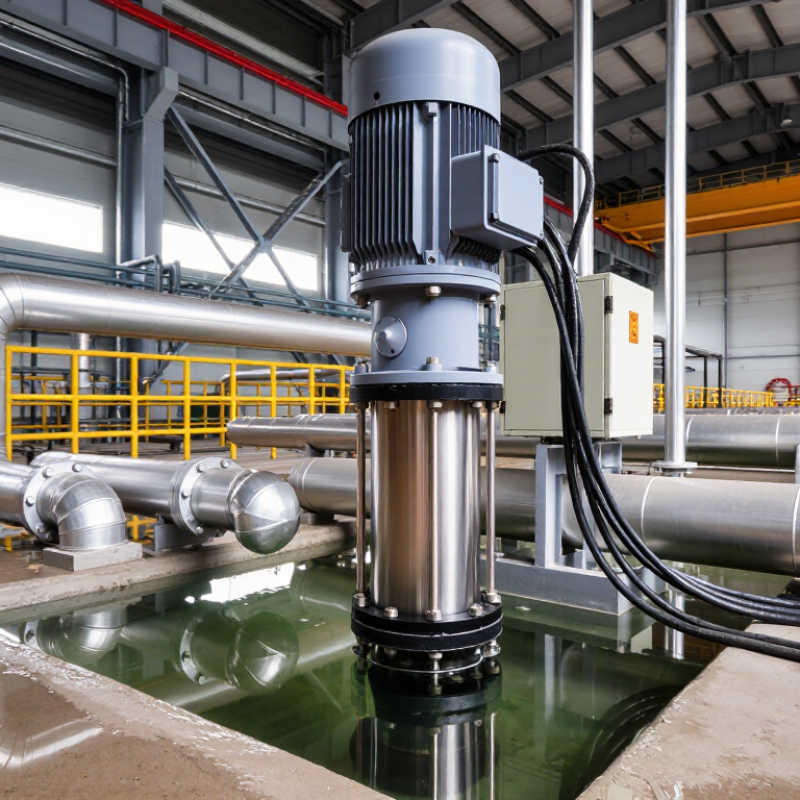
A vertical pump places its motor above the liquid while the shaft drives submerged impellers below. This arrangement saves floor space and suits deep wells, tanks, and intake structures. The pump bowl guides fluid through each stage. The impeller adds velocity, and the diffuser converts much of that velocity into pressure. Simple in theory. Field conditions are less forgiving.
Pump selection begins with flow rate, total head, liquid temperature, solids content, and available submergence. Engineers also check suction conditions carefully. Insufficient submergence can create air entrainment and unstable operation. NPSH is not just a catalogue value. It changes with elevation, temperature, and operating point. A practical review should include seasonal water levels and realistic pipe losses.
During installation, shaft alignment, column straightness, and foundation stiffness deserve close attention. Small errors may produce vibration, seal wear, or uneven bearing loads. The motor must match the local electrical supply and starting method. Protection against corrosion may also change between coastal, desert, and cold environments. In my experience, commissioning teams sometimes trust design data too quickly. Actual noise, vibration, and discharge pressure should be recorded after startup. A clean calculation can still miss a blocked screen, a damaged coupling, or a changing liquid level. Maintainability matters. Technicians need safe access to bearings, couplings, and inspection points.
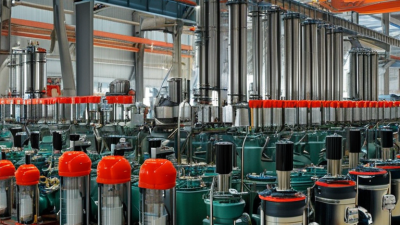
Vertical pumps provide practical advantages across water, cooling, irrigation, and industrial processes. Their vertical shafts save valuable floor space, especially in crowded treatment plants. The motor remains above flood levels, reducing exposure to standing water and sediment. This arrangement can also support deep wet wells and reservoirs without building long horizontal suction lines.
25% to 50%
The U.S. Department of Energy’s Improving Pumping System Performance sourcebook reports that pumping systems can consume 25% to 50% of industrial facility electricity. That figure makes hydraulic efficiency more than a design preference. It becomes an operating cost issue. Proper impeller sizing, variable-speed control, and regular alignment checks can reduce wasted energy. Small improvements matter.
Water access adds another dimension. The UNESCO World Water Development Report 2024 states that agriculture accounts for roughly 70% of global freshwater withdrawals. Vertical pumps can serve wells, canals, and intake stations in regions with limited infrastructure. Their compact footprint helps, too. However, installation depth, corrosion, local power quality, and maintenance skills require careful review. A vertical design is not universally superior. Field teams may also find shaft alignment difficult after poor installation. That risk deserves honest attention. Keep specifications practical.
Why Choose a Vertical Pump for Global Applications?
Matching pump design to site requirements starts with the liquid and installation area. A vertical pump can suit deep wells, wet pits, tanks, and compact process rooms. Its motor stays above the liquid, reducing exposure to flooding and some corrosive conditions. That arrangement also saves floor space. However, the shaft length must match the liquid level carefully. Excessive length can increase vibration, deflection, and maintenance difficulty.
Site measurements should guide the selection. Engineers need verified flow, total head, liquid temperature, viscosity, solids content, and corrosion data. Suction submergence matters greatly. Poor submergence may create vortices and unstable operation. A vertical turbine design may fit clean water, while a solids-handling configuration may better suit wastewater or mineral-rich liquids. Material selection should reflect actual chemistry, not general assumptions. Small data gaps can become expensive failures.
Access deserves equal attention. Operators need lifting clearance, safe platforms, drainage, and practical seal or bearing inspection points. In remote locations, simple maintenance can outweigh a slightly higher purchase price. Local electrical standards, climate, altitude, and transport limits also influence the final design. A useful field lesson is this: the most efficient pump on paper may be unsuitable on site. Designers sometimes focus too heavily on rated efficiency. Real reliability depends on alignment, installation quality, operating range, and trained technicians. Rechecking those details is not wasted effort.
A vertical pump can save floor space in crowded facilities. Its configuration also supports deep sumps and tanks. Installation still demands careful planning. The foundation must remain rigid, level, and suitable for the pump’s weight. Check shaft alignment after securing the motor and discharge piping. Pipe strain can create vibration, noise, and premature bearing wear. Never allow the pump to run without adequate liquid.
Site conditions vary widely across global applications. Water chemistry, temperature, altitude, and seasonal demand can change performance. Confirm the operating point against the actual system curve, not an outdated design sheet. Local electrical requirements and safety procedures also need verification. A qualified engineer should review lifting arrangements and access around the equipment.
Maintenance access is often underestimated. Leave enough clearance to inspect seals, couplings, bearings, and motor connections safely. Record vibration, temperature, pressure, and current readings during normal operation. Small changes can reveal developing faults. Inspect corrosion protection more often in coastal or chemically aggressive environments. Keep critical spare parts available, especially where delivery times are uncertain.
Training should match local language and working practices. Clear isolation procedures matter during every inspection. In practice, no checklist fits every site perfectly. That is worth admitting. Operators may notice unusual sounds before instruments show an alarm. Their observations belong in the maintenance record. A reliable vertical pump depends on sound installation, disciplined monitoring, and practical decisions made at the site.
Vertical pumps support global projects where space, standards, and operating conditions vary. Their compact footprint suits narrow pump rooms, deep wells, and industrial intake stations. In many installations, the vertical arrangement keeps the pump near the liquid source. This can improve suction conditions and reduce complicated pipe routing. It is not a universal answer. Site data still matters.
Global standards guide safer and more consistent selection. Engineers should check applicable ISO, IEC, API, and local requirements before approving a design. Materials must match temperature, pressure, corrosion risks, and water quality. A pump built for a clean-water system may struggle with abrasive process fluid. Field experience shows that small details matter. Shaft alignment, foundation stiffness, and vibration access deserve early review.
Sustainability extends beyond electricity consumption. A correctly sized pump can reduce throttling losses and unnecessary maintenance. High-efficiency motors, variable-speed control, and clear performance curves support responsible operation. However, controls can add complexity. Operators need training, spare parts, and practical service access. Lifecycle value includes energy, inspections, seals, bearings, downtime, and eventual replacement. A lower purchase price may become expensive after years of unstable operation. Regular monitoring of vibration, flow, pressure, and motor load provides useful evidence. Data helps, but judgment remains necessary.
Global standards, sustainability, and lifecycle value are closely connected. Higher-efficiency motors can reduce operating energy demand over the service life of a vertical pump, while internationally recognized efficiency classes support consistent specification across markets.
Minimum motor efficiency values shown for selected four-pole, 50 Hz motors under IEC 60034-30-1 efficiency-class requirements. Actual pump-system energy use also depends on hydraulic duty, operating hours, control strategy, installation, and maintenance.
Source: IEC 60034-30-1, Rotating electrical machines — Efficiency classes of line operated AC motors.
Universal Pumping
625 Apache Trail
Woodstock, GA 30189
Mon - Fri | 9:00 AM - 5:00 PM
Universal Pumping is staffed with industry professionals with 20-45 years experience with high pressure pumping systems. We represent only the “elite producers” in pump manufacturing: Britain’s EMS and Germany’s EMMERICH. Our engineering and manufacturing approach is conservative, and we do not use “guess work” in the design or sales of our pumping and filtration equipment.