Universal Pumping | High Pressure Pumps
High Pressure Pumps for Difficult to Pump Slurry, Sludge, and Food Waste.
China Best Ram Pump Supplier for Global Buyers? The question deserves more than a low-price comparison. A reliable ram pump supplier must demonstrate hydraulic performance, material quality, factory controls, and field support. The technology uses flowing water and pressure cycles, rather than fuel or grid electricity. However, it only works when the site provides suitable flow, elevation difference, and delivery distance.
Global water pressure is increasing. The WHO and UNICEF Joint Monitoring Programme reported that 2.2 billion people lacked safely managed drinking water services in 2022. The World Bank also identifies agriculture as responsible for about 70% of global freshwater withdrawals. These figures explain why practical, low-energy pumping systems remain important for rural communities, farms, and livestock projects. A ram pump can reduce operating costs, but it is not a universal solution. Poor intake design, insufficient drive head, or neglected valves can quickly reduce performance.
Experience matters here. A capable Chinese supplier should provide verified flow curves, tested operating ranges, material certificates, installation drawings, and spare-parts guidance. Buyers should request real project evidence, not only polished product photographs. The FAO’s AQUASTAT platform shows how strongly water conditions vary between regions, so one pump model cannot fit every location. That distinction matters. Factory inspection, sample testing, and clear warranty terms can improve purchasing confidence. Still, supplier claims need independent checking. Even experienced buyers can overlook maintenance access or seasonal flow changes. The best choice is therefore not simply the cheapest ram pump, but the supplier that connects engineering data with dependable, local-use experience.
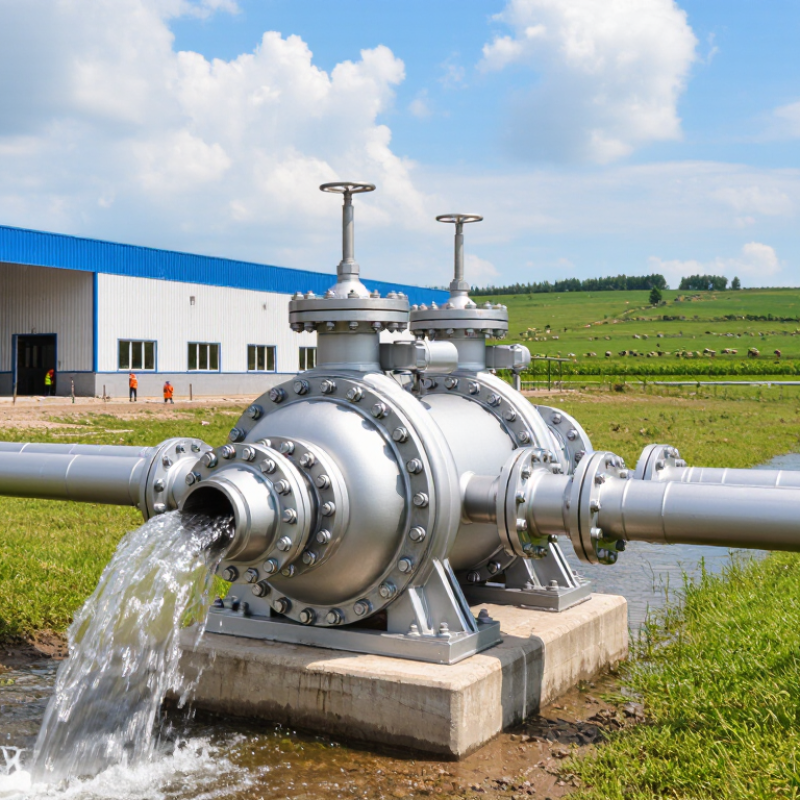
A hydraulic ram pump moves water without fuel, electricity, or a motor. It uses flowing water and a small elevation drop to create pressure. The pump has a drive valve, delivery valve, air chamber, and pressure pipe. Water enters through the drive pipe and gains speed. Then the drive valve closes suddenly. This water hammer sends a pressure pulse through the pump. Simple, but not gentle.
The pressure pulse opens the delivery valve and pushes part of the water uphill. The air chamber cushions the shock and smooths flow into the delivery pipe. When pressure falls, the delivery valve closes, and the drive valve reopens. The cycle repeats many times each minute. A working site needs a continuous water source, enough fall, a clean intake, and a stable discharge route. In field tests, even a small blockage can change the rhythm. Installation matters as much as pump size.
A ram pump wastes much of the incoming water through the waste valve, so it cannot lift all water. Output depends on flow, drive head, delivery head, pipe length, and valve adjustment. I would not select equipment from catalog capacity alone. Measure seasonal flow and elevation on site. Check pipe joints after startup. Some systems run for years, yet poor alignment causes noise, vibration, and early wear. The honest lesson is this: simple mechanics reduce energy needs, not maintenance judgment.
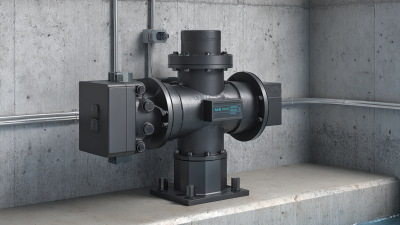
This chart shows an illustrative hydraulic ram pump operating profile using a 60 L/min drive-water flow, a 2 m drive head, and an assumed overall efficiency of 60%. Delivery flow is estimated with the relationship: Qdelivery ≈ η × Qdrive × Hdrive ÷ Hdelivery. As the delivery head increases, the available delivery flow decreases. A ram pump uses water-hammer pressure from a small amount of flowing water to lift another portion of the water without electricity or fuel.
China Best Ram Pump Supplier for Global Buyers?
China’s advantage is practical, not mysterious. UNIDO’s 2024 Industrial Development Report places China at roughly one-third of global manufacturing value added. That scale supports casting, machining, rubber molding, pressure testing, and export packaging in one sourcing region. For ram pumps, this matters because small tolerance errors can cause valve leakage or unstable delivery. Experienced buyers should request pump curves, drive-head requirements, material certificates, and test videos under measured conditions. Cheap steel is not a saving.
Global water pressure also creates demand for simple hydraulic equipment. The WHO/UNICEF Joint Monitoring Programme reported that 2.2 billion people lacked safely managed drinking water in 2022. UN-Water’s 2024 World Water Development Report says agriculture represents about 72% of global freshwater withdrawals. A ram pump can lift water without grid electricity or fuel, but only where a reliable flowing source and sufficient drive head exist. In field checks, inlet protection, air chambers, and accessible waste valves often decide service life.
No electricity is needed.
China’s supply depth helps buyers compare cast iron, stainless steel, and engineered polymer components. It also supports custom inlet sizes and export-ready packing. Yet the market is not automatically reliable. Some listings hide delivery losses or omit head-to-flow data. Polished test videos can mislead. That is the uncomfortable part. Pre-shipment inspection and independent hydraulic trials remain worthwhile. Ask for spare valve seats, written tolerances, and measured performance. Supplier claims need evidence, not confidence.
China Best Ram Pump Supplier for Global Buyers?
How to Evaluate Chinese Ram Pump Manufacturers
Selecting a Chinese ram pump manufacturer requires more than comparing catalog prices. A reliable supplier should explain water source conditions, delivery head, drive head, flow rate, and pipe dimensions. These details determine whether a pump will work on your site. During supplier evaluations, ask for technical drawings, material specifications, pressure-test records, and clear production lead times. Request a sample or a controlled factory inspection when possible. Photos help, but they are not proof.
Check how the manufacturer handles quality control. Stainless steel, cast iron, seals, and valve components should match the stated application. Ask whether each unit is tested before shipment. A useful supplier will discuss limitations instead of promising unlimited performance. That honesty matters. One common mistake is trusting a laboratory test without checking field conditions. Mud, uneven water flow, and poor pipe installation can reduce output sharply. I would also compare warranty terms, spare-part availability, packaging, and technical support after delivery.
Tips: Ask for a site-specific performance calculation, not a generic chart. Confirm testing methods and tolerances in writing. Speak with previous export customers if references are available. Start with a small order before scaling. A perfect evaluation is unlikely, so record unanswered questions and revisit them before signing.
China Best Ram Pump Supplier for Global Buyers?
Global buyers should evaluate a ram pump by operating conditions, not catalogue output alone. A hydraulic ram pump needs a continuous water source, a measurable drive head, and a delivery route with manageable friction. The Practical Action technical brief notes that typical systems may deliver about 5–20% of incoming water, depending on head ratios and installation quality. This makes drive-water availability a critical specification.
Key specifications include drive head, delivery head, delivery flow, inlet diameter, waste-valve adjustment, and construction materials. Buyers should request tested performance at their actual head ratio, not a single laboratory figure. For example, a farm with a 2-meter drive head and a 20-meter lift faces different losses from a village system with shorter piping. Pipe length, bends, air chambers, and seasonal flow can change results. Small details matter.
Material selection also affects service life. Corrosion-resistant metal, replaceable valve seats, and standard pipe connections simplify maintenance in remote areas. The WHO and UNICEF Joint Monitoring Programme reported that 2.2 billion people lacked safely managed drinking water in 2022, showing why dependable rural equipment matters. FAO water data also indicates that agriculture accounts for roughly 70% of global freshwater withdrawals. However, not every site suits ram pumping. Buyers should verify dry-season flow, water quality, spare-part access, and installation support. A cheaper unit may become expensive when one small valve is difficult to replace.
| Specification Category | Typical Specification or Range | Why It Matters to Global Buyers | Recommended Verification Before Purchase |
|---|---|---|---|
| Operating Principle | Water-hammer-driven pump using a small portion of flowing water to lift the remaining water without electricity or fuel. | Suitable for off-grid farms, rural water systems, livestock watering and remote irrigation locations. | Request a hydraulic diagram and a description of the waste-valve and delivery-valve operating cycle. |
| Drive Head | Commonly about 0.5–3 m of vertical water head, depending on pump design and site conditions. | The drive head provides the energy needed to create the water-hammer effect. | Confirm the minimum and optimum drive head stated for the selected model. |
| Delivery Head | Approximately 10–100 m for many standard installations; actual performance depends on drive head, pipe length and flow rate. | Determines whether the pump can reach a storage tank, elevated field or distribution point. | Ask for a performance curve showing delivery head versus output flow. |
| Delivery-to-Drive Head Ratio | Often around 5:1 to 20:1 in practical installations. | A higher ratio generally reduces delivered flow and may require careful pipe sizing. | Evaluate the ratio using the actual elevation difference at the installation site. |
| Delivery Flow Rate | Typically about 5–10% of the available drive-water flow, with actual results varying by design and installation. | Helps estimate daily water production and storage-tank capacity. | Request tested flow data under the planned drive head and delivery head. |
| Drive-Water Requirement | Usually several times greater than the delivered water volume; excess water exits through the waste valve. | The source must provide continuous flow, even when the delivery tank is full. | Compare the source flow rate with the pump's required operating flow and seasonal minimum flow. |
| Drive Pipe Length | Commonly about 5–10 times the vertical drive head, subject to design and site layout. | A properly sized drive pipe helps produce a stable pressure pulse and efficient operation. | Confirm the recommended length, diameter, slope and support method for the selected model. |
| Drive Pipe Diameter | Often approximately 25–100 mm, depending on pump size and required flow. | The drive pipe carries the high-frequency pressure pulses and strongly affects performance. | Check whether pipe diameter specifications refer to nominal size, inside diameter or outside diameter. |
| Delivery Pipe Diameter | Commonly approximately 15–75 mm for small and medium installations. | Larger delivery pipes reduce friction losses, especially on long uphill runs. | Calculate friction loss based on total pipe length, elevation and required delivery flow. |
| Operating Cycle | Typically about 20–120 cycles per minute, depending on valve settings, water head and pipe dimensions. | A stable cycle indicates that the pump is correctly adjusted for the available water supply. | Request the recommended cycle range and adjustment procedure for the waste valve. |
| Hydraulic Efficiency | Commonly around 50–70% under suitable operating conditions; field results vary. | Efficiency affects the amount of source water required for a target delivery flow. | Ask for test conditions, including drive flow, drive head, delivery head and measured output. |
| Pressure Rating | Selected components may be rated from approximately 1.0 to 2.5 MPa, depending on the system design. | Pressure surges can exceed normal static pressure, so every component must be suitably rated. | Verify the pressure rating of the pump body, air chamber, valves, fittings and delivery pipe. |
| Air Chamber | Commonly made from steel or cast metal and fitted with an air-cushion arrangement to smooth pulsating flow. | The air chamber helps protect the delivery line and improves flow regularity. | Confirm chamber volume, wall thickness, drain arrangement and safe maximum working pressure. |
| Pump Body Material | Typical options include cast iron, ductile iron, carbon steel or stainless steel. | Material selection affects corrosion resistance, impact resistance, weight and service life. | Request material specifications and coating details rather than relying only on appearance. |
| Valve Materials | Common components include stainless steel, brass, bronze, EPDM, NBR or polyurethane sealing parts. | Valve and seal materials must match the water chemistry and expected operating pressure. | Confirm wetted materials and seal compatibility for potable water, irrigation water or abrasive water. |
| Water Quality | Best suited to relatively clean water; suspended solids should be controlled with intake screening or filtration. | Sand, gravel and organic debris can accelerate wear or obstruct the valves. | Specify the permitted particle size and include an intake strainer where necessary. |
| Water Temperature | Often suitable for ambient water conditions, commonly around 5–40°C when standard seals are used. | Temperature affects seal life, viscosity and material compatibility. | Confirm the allowable temperature range for the actual seal and valve materials. |
| Installation Orientation | Normally installed on a firm foundation with the pump body level and the drive pipe continuously sloping toward the pump. | Correct alignment reduces vibration, air pockets and unstable valve operation. | Request an installation drawing showing foundation dimensions, pipe slope and valve access clearance. |
| Noise and Vibration | Produces a repetitive clicking or knocking sound because the waste valve closes and opens during operation. | Noise and vibration should be considered near homes, livestock areas and public facilities. | Confirm the recommended foundation, pipe supports and minimum clearance from occupied buildings. |
| Maintenance Requirements | Periodic inspection of the waste valve, delivery valve, seals, air chamber and intake screen is normally required. | Simple maintenance helps preserve output and prevents unexpected downtime. | Request a maintenance schedule, spare-parts list and valve replacement instructions. |
| Spare Parts | Common replacement items include valve discs, springs, gaskets, seals, fasteners and air-chamber components. | Availability of standard spare parts is important for remote installations and export projects. | Confirm spare-part interchangeability, packaging, lead time and technical drawings. |
| Water Source Suitability | Requires a continuous flowing source such as a spring, stream, irrigation channel or elevated reservoir outlet. | A ram pump cannot operate effectively from a static tank without sufficient continuous flow and head. | Measure minimum dry-season flow, available elevation and source-water quality before selection. |
| Energy Requirement | No external electricity or fuel is required during normal operation. | Operating costs can be low where a suitable water source is available. | Calculate total project cost, including civil works, pipes, foundation, intake protection and storage. |
| Export Documentation | Typical documents may include a commercial invoice, packing list, installation manual, test report and certificate of origin. | Complete documentation supports customs clearance and local installation approval. | Confirm destination-country requirements, product labeling, HS classification and electrical exemption status. |
| Buyer Acceptance Data | Should include drive head, drive flow, delivery head, delivery flow, cycle rate, pressure rating and test date. | Standardized test data makes supplier comparisons more reliable. | Require measured values under defined conditions instead of comparing catalogue figures alone. |
Choosing the best China ram pump supplier for global buyers requires more than comparing unit prices. Export experience should appear in practical details, such as accurate commercial invoices, secure wooden cases, clear packing lists, and destination-specific shipping documents. A reliable supplier should explain material grades, pump capacity, delivery limits, and water-source requirements before accepting an order. Small misunderstandings can cause expensive delays.
Quality begins with repeatable inspection, not attractive product photos. Ask for pressure testing records, valve and diaphragm inspection details, dimensional checks, and photographs before shipment. Castings should be clean, threads should fit correctly, and moving parts should operate without abnormal resistance. The supplier should also identify applicable standards for your market, because requirements differ between countries. A certificate alone is not enough.
After-sales service often reveals the supplier’s real professionalism. Request a written warranty, response times, spare-part availability, and installation guidance in clear English. Useful support may include troubleshooting videos, labeled replacement kits, and remote inspection of pipe layout. Ram pumps are mechanically simple, but poor installation can still reduce output. Do not blame the pump too quickly. I have seen buyers overlook elevation, delivery-head calculations, and air leaks. A careful supplier should review these conditions instead of promising impossible performance. A trial order may be wiser than a large purchase, although it requires more patience and freight cost.
Universal Pumping
625 Apache Trail
Woodstock, GA 30189
Mon - Fri | 9:00 AM - 5:00 PM
Universal Pumping is staffed with industry professionals with 20-45 years experience with high pressure pumping systems. We represent only the “elite producers” in pump manufacturing: Britain’s EMS and Germany’s EMMERICH. Our engineering and manufacturing approach is conservative, and we do not use “guess work” in the design or sales of our pumping and filtration equipment.