

Universal Pumping | High Pressure Pumps
High Pressure Pumps for Difficult to Pump Slurry, Sludge, and Food Waste.
Choosing the right sand pump starts with the material, not the catalog. Sand varies in grain size, concentration, shape, and abrasiveness. A pump suited to fine, watery slurry may struggle with coarse particles or a dense mixture. The wrong match can mean clogging, rapid wear, unstable flow, and avoidable downtime.
Start with the job. What flow rate and discharge pressure does the system require? How far must the slurry travel, and how much vertical lift is involved? Measure the pipework and note bends, elevation changes, and any solids that could settle. These details matter. So does the sand itself: sharp grains can wear components faster than rounded ones, while oversized particles may exceed a pump’s passage capacity.
Look beyond motor power. Compare impeller design, wear-resistant materials, seal arrangement, maintenance access, and the manufacturer’s performance curve. Check that the stated capacity applies to your slurry conditions, not just clean water. Ask the supplier about particle limits and expected wear. Get the figures in writing.
One point deserves care: no source was provided for a verifiable quotation from a named sand-pump expert, so this introduction does not invent one. Instead, it frames the selection principle plainly: match the pump to measured site conditions, then confirm the choice with technical data. A little uncertainty remains until the slurry is tested. That is worth acknowledging before purchase.
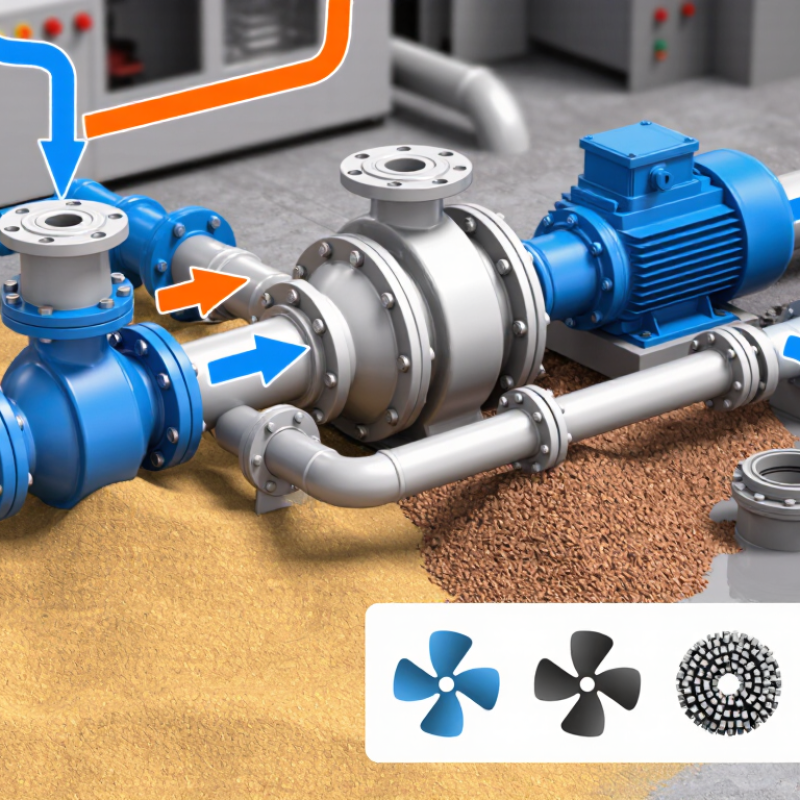
Before choosing a sand pump, define what it must move. Is the material fine, abrasive sand, or a thick mixture with gravel and water? Note the largest particle size, solids concentration, and whether the mixture changes during the day. A bucket sample can reveal more than a vague description. Small details matter.
Then map the operating conditions. Estimate the required flow rate and total head, including vertical lift, pipe length, bends, and outlet pressure. Measure the actual route if possible; a few extra elbows can noticeably increase resistance. Record water temperature, suction depth, and how often the pump will start and stop. These figures help narrow the pump type and impeller design.
Consider the worksite, too. A pump operating in a shallow pond faces different challenges from one fed through a long suction hose. Check for fluctuating water levels, limited access, and debris that could block the intake. Keep a simple log of operating hours and wear. It may feel overly cautious, but guessing at flow or particle size often leads to poor performance. Even careful estimates can be wrong; verify them against real operating conditions when the pump is running.
| Factor to Define | Information to Gather | Example or Typical Considerations | How It Affects Pump Selection |
|---|---|---|---|
| Pumping task | Describe the material-handling job and where the slurry must go. | Transfer sand from a sump, dredge a channel, feed a separator, or move settled solids from a tank. | The task helps determine pump arrangement, portability, duty rating, and whether the pump must handle intermittent or continuous service. |
| Required flow rate | Estimate the required slurry flow at the intended operating point. | Specify flow in m³/h or L/s and state whether it is a normal, peak, or minimum requirement. | Choose a pump whose performance curve can deliver the required flow at the calculated system head. Avoid selecting by maximum rated flow alone. |
| Total dynamic head | Include elevation change, pipe and fitting losses, and discharge pressure requirements. | Account for vertical lift, pipe length and diameter, bends, valves, and outlet conditions. | The pump must provide the required head at the target flow. Recheck the system curve if pipework or operating conditions change. |
| Solids concentration | Estimate the proportion of solids in the slurry by volume or mass. | Record whether the feed is dilute, dense, or variable; specify the measurement basis because volume and mass percentages are not interchangeable. | Higher solids loading generally increases slurry density and can raise power demand and wear. Confirm the pump’s suitability for the expected concentration. |
| Particle size and shape | Determine the largest particle size, typical size distribution, and whether particles are rounded, angular, or abrasive. | Screen or sample the material where possible. Note occasional oversize stones as well as the typical sand grain size. | Check the pump’s passage dimensions and solids-handling capability. Larger or more angular particles can increase blockage risk and component wear. |
| Slurry properties | Record slurry density, temperature, and any clay, silt, or other materials mixed with the sand. | Fine particles or clay may change the slurry’s behavior; density can vary during a shift or with changing feed conditions. | Use slurry-specific performance information where available. Water-based ratings may not accurately represent performance with dense or non-Newtonian slurries. |
| Suction conditions | Define the liquid level, suction lift or flooded suction, suction-pipe layout, and risk of air entering the line. | Note whether the pump sits below, level with, or above the slurry source, and identify long or restricted suction piping. | Good suction conditions help prevent loss of prime and cavitation. Keep suction piping appropriately sized and minimize unnecessary restrictions. |
| Pipework and discharge route | Specify pipe material, internal diameter, total length, elevation profile, fittings, and discharge destination. | Include hoses, bends, reducers, valves, and any sections where sand may settle when flow slows or stops. | Pipe losses affect the operating point. Pipe size and velocity should be reviewed to balance friction losses against the risk of solids settling. |
| Duty cycle and variation | State operating hours, starts per hour, expected downtime, and how much flow or solids content varies. | Distinguish continuous duty from short transfers, standby service, or a process with frequent load changes. | Match the pump and drive to the actual duty. Variable-speed control may help when flow requirements change, provided the pump remains within its acceptable operating range. |
| Wear and maintenance needs | Identify abrasive conditions, inspection access, available maintenance staff, and acceptable replacement intervals. | Sand is abrasive; wear rates depend on particle characteristics, concentration, velocity, and operating point. | Compare wetted-part materials and replaceable wear components. Plan inspection and maintenance around the severity of the service. |
| Power and installation | Confirm available electrical supply or engine requirements, installation space, lifting access, and environmental conditions. | Check voltage, phase, frequency, motor protection, ventilation, and whether the installation is stationary or mobile. | Verify that the drive can meet the required power demand and that the pump can be installed, operated, and serviced safely. |
| Information to provide when requesting a pump | Prepare the flow, total dynamic head, slurry details, suction arrangement, pipe layout, duty cycle, and power supply. | Include normal and worst-case conditions, especially peak particle size, highest solids concentration, and lowest source level. | A complete duty description lets a supplier or engineer assess the operating point and identify constraints before equipment is selected. |
Note: The examples are general selection considerations, not a substitute for a system calculation. Confirm the final pump duty using the actual slurry properties, piping layout, and manufacturer performance data.




Universal Pumping
625 Apache Trail
Woodstock, GA 30189
Mon - Fri | 9:00 AM - 5:00 PM
Universal Pumping is staffed with industry professionals with 20-45 years experience with high pressure pumping systems. We represent only the “elite producers” in pump manufacturing: Britain’s EMS and Germany’s EMMERICH. Our engineering and manufacturing approach is conservative, and we do not use “guess work” in the design or sales of our pumping and filtration equipment.


