

Universal Pumping | High Pressure Pumps
High Pressure Pumps for Difficult to Pump Slurry, Sludge, and Food Waste.
Choosing the right high pressure diaphragm pump is a process decision, not a simple catalog comparison. The correct model must match pressure, flow, fluid chemistry, solids content, temperature, and operating hours. A pump that looks powerful on paper may struggle with abrasive slurry or frequent pressure cycling. Pressure changes everything.
Industry data reinforces the importance of careful selection. The International Energy Agency reported in Energy Efficiency 2023 that industry consumed about 37% of global final energy. The U.S. Department of Energy also identifies pumping systems as major industrial electricity users, especially when systems operate away from their best efficiency point. These findings suggest that efficiency should be evaluated across the whole installation, not only at the pump outlet. Grand View Research and MarketsandMarkets have both reported continued growth in diaphragm pump demand, driven by chemical processing, water treatment, mining, and manufacturing applications. Market forecasts are useful. They are not guarantees.
This guide explains how to compare pump materials, maximum discharge pressure, flow stability, air consumption, pulsation control, and maintenance access. It also considers diaphragm life and the cost of replacing valves in real service conditions. A practical example is a chemical-transfer line where a poorly matched elastomer swells, reducing output within weeks. That detail is easy to miss. Manufacturer curves, test records, and recognized standards should support every decision. Still, no report can replace a site survey or fluid sample. Specifications may be incomplete, and operating conditions can change. That uncertainty deserves attention.
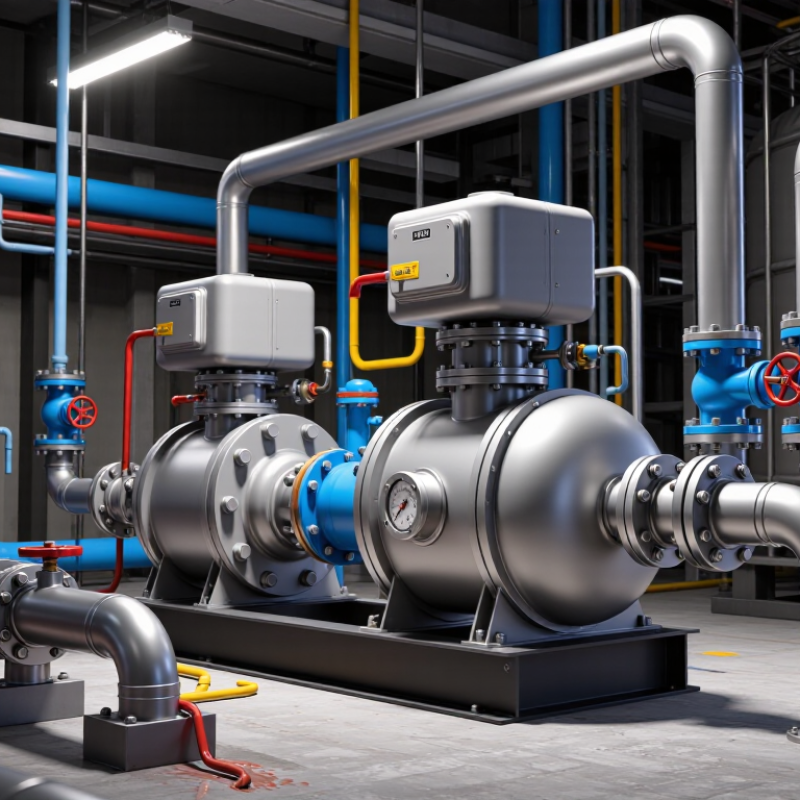
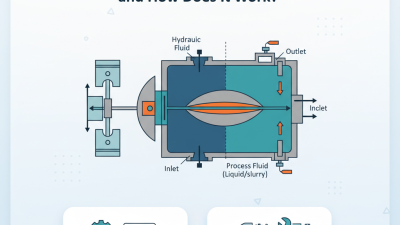
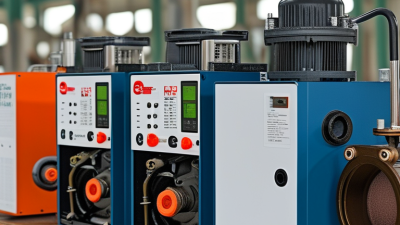
A high pressure diaphragm pump is a positive-displacement pump: a flexible diaphragm moves back and forth, drawing liquid into a chamber and pushing it out through check valves. The liquid stays separated from the drive mechanism, which can help limit leakage and contamination. Picture a small chamber cycling steadily, with each stroke sending a measured volume through a narrow pipe. Pressure comes from resistance downstream, not from the pump creating pressure without limit. The exact operating range depends on the design, diaphragm material, liquid, and duty cycle.
“High pressure” has no single universal threshold across pump types. Check the rated discharge pressure, flow at that pressure, and the permitted pressure of every connected component. The U.S. Department of Energy’s Improving Pumping System Performance sourcebook estimates that pumping systems use nearly 20% of global electricity; it also notes that pumps can account for 25–50% of energy use in some industrial facilities. Those figures describe pumping systems broadly, not diaphragm pumps alone. Still, they underline why matching flow and pressure matters. A pump sized only by its maximum-pressure figure may deliver too little flow, or consume more energy than the task requires. A detail worth checking twice.
| Topic | What It Means | What to Check When Choosing | Why It Matters |
|---|---|---|---|
| High-pressure diaphragm pump | A positive-displacement pump that moves liquid using a flexible diaphragm and check valves. The diaphragm separates the pumped liquid from the drive mechanism. | Confirm that the pump is designed for the required operating pressure and the specific liquid. | It helps contain the fluid and can reduce leakage around a rotating shaft. |
| Operating pressure | The pressure the pump must deliver at the required flow rate, including pressure losses in pipes, filters, valves, and elevation changes. | Calculate the system’s total pressure requirement. Allow for normal operating variation, and never exceed the pump’s rated limits. | A pump that cannot meet the system pressure may deliver insufficient flow or fail to perform as intended. |
| Flow rate | The volume of liquid delivered over time, commonly stated in litres per minute or gallons per minute. | Match the required flow at the expected operating pressure, rather than relying only on the pump’s maximum-flow figure. | Flow and pressure are related operating conditions; maximum flow may not be available at maximum pressure. |
| Liquid compatibility | The ability of wetted parts, including the diaphragm, valves, and pump head, to withstand the liquid being pumped. | Check chemical compatibility, concentration, temperature, viscosity, and whether the liquid contains suspended solids. | Incompatible materials can swell, corrode, crack, or wear prematurely. |
| Diaphragm material | The flexible barrier that moves to displace liquid and separates the fluid chamber from the pump drive. | Select a material suited to the fluid, temperature, pressure, and expected duty cycle. Consult compatibility data for the specific application. | The diaphragm is a critical wear component and has a direct effect on service life and fluid containment. |
| Valve design | Inlet and outlet check valves direct liquid through the pump and prevent it from flowing backward. | Verify valve materials and geometry are suitable for the liquid’s viscosity, solids content, and required flow. | Valve condition and suitability affect priming, flow stability, and the pump’s ability to maintain pressure. |
| Self-priming and suction conditions | Self-priming describes a pump’s ability to draw liquid into the pump from a suction line under specified conditions. | Check the stated priming capability, suction lift, inlet-line size, and whether the pump must start dry. | Actual priming performance depends on installation, liquid properties, and the manufacturer’s specified limits. |
| Pulsation | Reciprocating diaphragm action can create fluctuations in flow and pressure. | Determine whether the application requires a pulsation dampener, pressure control, or other system components. | Reducing pulsation can improve flow stability and help protect connected equipment, when appropriate. |
| Drive and power supply | The mechanism or power source that moves the diaphragm, such as an electric motor or compressed air. | Match the available power supply, control requirements, duty cycle, and installation environment. | The drive must provide the required operating performance and be suitable for the site conditions. |
| Safety and pressure protection | Protective measures help prevent operation beyond the pressure rating of the pump and connected system. | Check the system design for appropriate pressure relief and ensure every component is rated for the maximum possible pressure. | Excess pressure can damage equipment and create a safety hazard. Follow applicable codes and operating instructions. |
| Maintenance and serviceability | Routine inspection and replacement of wear parts help maintain reliable operation. | Review access to diaphragms and valves, recommended inspection intervals, spare-part availability, and service procedures. | Maintenance needs affect operating cost, downtime, and long-term reliability. |
| Selection checklist | A pump should be selected for the complete application, not by pressure rating alone. | Document required flow and pressure, liquid properties, temperature, suction conditions, power source, duty cycle, and installation requirements. | Use the pump’s performance data and application guidance to confirm suitability before installation. |


Universal Pumping
625 Apache Trail
Woodstock, GA 30189
Mon - Fri | 9:00 AM - 5:00 PM
Universal Pumping is staffed with industry professionals with 20-45 years experience with high pressure pumping systems. We represent only the “elite producers” in pump manufacturing: Britain’s EMS and Germany’s EMMERICH. Our engineering and manufacturing approach is conservative, and we do not use “guess work” in the design or sales of our pumping and filtration equipment.


